Episode 207: Book Marketing Tips for Slow Book Sales
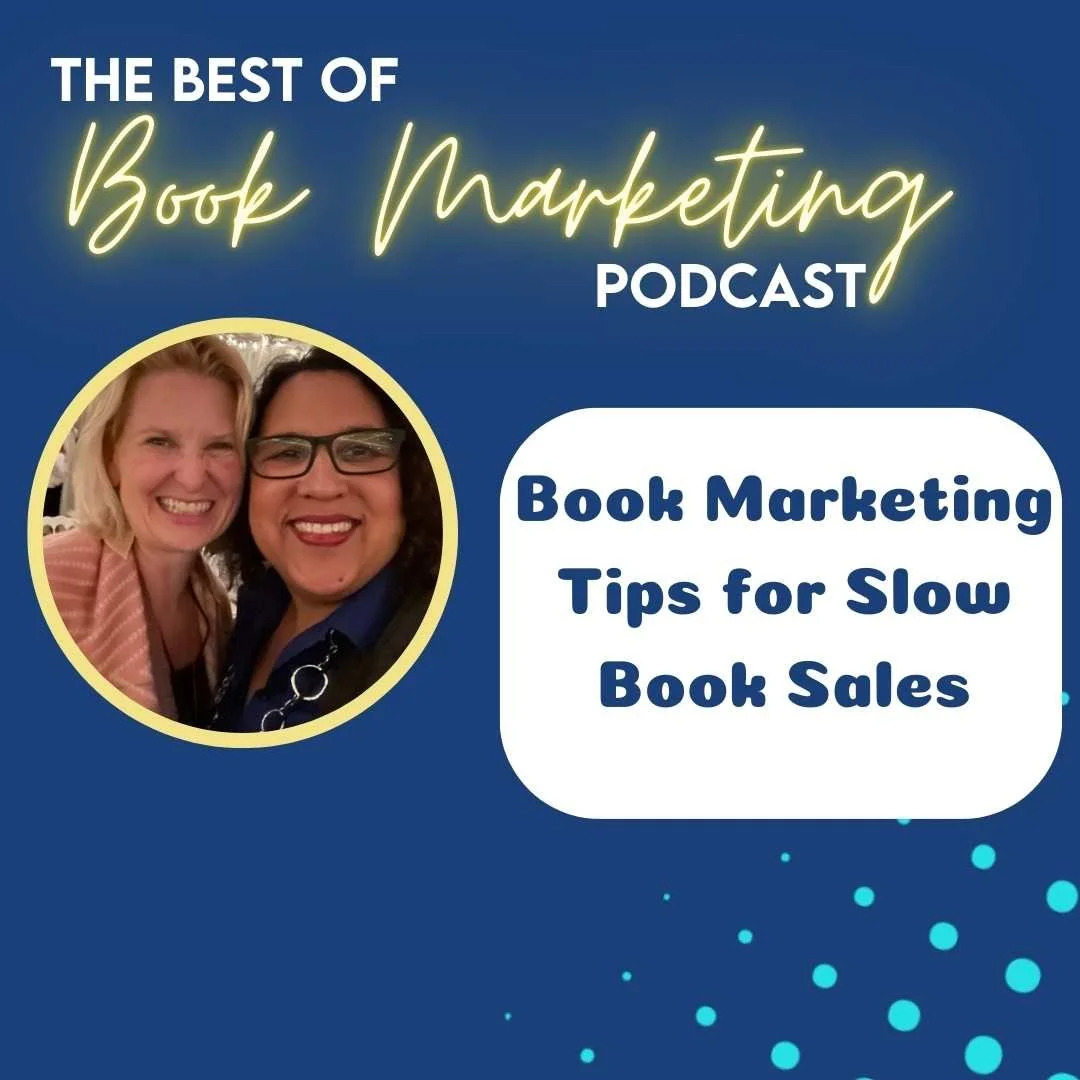


Watch now on YouTube!
We love our book babies, but sometimes they don't sell as well as we'd hope.
In this episode of the Best of Book Marketing podcast, we tackle book marketing tips for what to do when you have slow book sales. Hint: sometimes it’s the book!
We'll cover lots of practical ideas to help get your book sales back on track.
Resources
Is it your cover? Episode 204 with Damon Freeman, an expert on Book Cover Design.
Or your blurb? Episode 111 with Jessie Cunniffe of Book Blurb Magic, expert on book descriptions.
Publisher Rocket analysis software for book categories and keywords
Alexandria Writing Retreat from WFWA (Women’s Fiction Writers’ Association)
Liberty States Fiction Writers Conference in Hamilton NJ
Book Lovers Con in Las Vegas
Books Mentioned
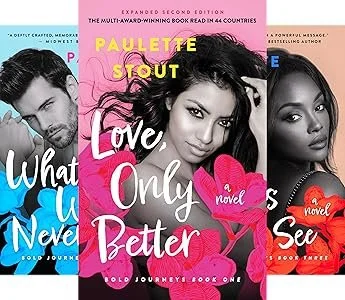
Full Disclosure: We are part of the Amazon affiliate program, which means Lainey earns a tiny commission (maybe enough for a coffee) if you buy something after clicking through from a link on this website.
Episode Sponsor
12 Weeks to Book Launch Success -Join Lainey’s program to help you successfully launch your book. Next group starts week of March 1st 2026!
In the 12 Weeks to Book Launch Success mastermind program, Lainey works one on one with a group of authors and help you create a plan to successfully launch your book.
Does this Sound Like You?
✓ Excited about your book launch
✓ Overwhelmed by where to start with marketing?
✓ Confused about timing—what needs to happen when?
✓ Unsure which tactics are worth your precious time and money?
✓ Terrified you'll miss something critical and blow your chance at launch success?
You're not alone. Many authors get terrible advice, and waste thousands on ineffective tactics.
What If You Could Launch With Confidence?
Imagine how it would feel to…
✓ Know with certainty you've built the best possible launch plan for YOUR book
✓ Avoid wasting money on shiny tactics that don't sell books
✓ Have a proven framework covering awareness, credibility, and reasons to buy
✓ Build your plan alongside other smart, supportive authors
✓ Launch successfully without depending solely on social media
✓ Start your author career with momentum and confidence
This isn't just possible—it's exactly what I’m proud to see my students achieve.
Building a successful book launch is possible as a new author—even without a massive social media following.
Program info
Scholarship Opportunity (for writers from any group traditionally under-represented in publishing)
Join the wait list for next time!
Note: next sections are mostly created by AI for your convenience - so please forgive any typos or inaccuracies!
Summary
Paulette Stout and Lainey Cameron discuss strategies for authors dealing with slow book sales. They emphasize the importance of recognizing when to move on from a book that isn't selling well and focusing on new projects. They advise against beating oneself up over poor sales and suggest a methodical approach to identifying and addressing issues, such as cover design or marketing strategies. They stress the individual nature of author careers and goals, urging authors to define their own success metrics and not get swayed by external opinions. Both speakers encourage authors to engage with them on social media for further support and advice.
Book Marketing Class and Personal Milestones
Lainey announces the registration for her book marketing class for authors, with four out of ten slots already filled.
Lainey shares her personal milestones, including attending her stepson's wedding in California and enjoying surfing.
Lainey talks about giving an author talk at a retreat in San Miguel, focusing on her author journey and the lessons she's learned.
Lainey mentions her book won 15 awards and breaks 10 writing rules in the first chapter, and she plans to read out loud and highlight these rules in her talks.
Reflections and Future Plans
Paulette reflects on her shift from the "new writer" stage to a more sustainable approach, emphasizing the importance of enjoying the writing process.
Paulette shares her excitement about her upcoming book and a writing retreat with friends.
Paulette mentions her participation in various book events, including Book Lovers Con in Las Vegas and the Liberty State Writers Conference in New Jersey.
Paulette discusses her pivot into romance and the importance of making her first book the best it can be for her readers.
Book Covers and Blurbs
Paulette and Lainey discuss the importance of book covers, emphasizing the need for them to suggest the reader experience and fit the genre.
Lainey explains how to test if a cover is the problem by showing it to people outside the author's circle and comparing it to other books in the genre.
Paulette and Lainey talk about the significance of blurbs, highlighting the need to focus on the right elements and keep them concise.
Lainey shares her experience of rewriting her book's blurb based on reader feedback and using AI to identify common themes in reviews.
Marketing Strategies and Community Building
Paulette and Lainey emphasize the importance of marketing efforts, including running ads, attending events, and building a newsletter list.
Lainey advises authors to focus on marketing strategies that bring them joy and avoid those that cause stress.
Paulette and Lainey discuss the value of community and networking, highlighting the benefits of attending genre conferences and volunteering.
Lainey introduces her 12-week book launch success program, designed to help authors with marketing, branding, and creating a launch plan.
Reader Expectations and Global Marketing
Paulette and Lainey discuss the importance of meeting reader expectations, including word count, point of view, and genre fit.
Paulette shares her experience of rewriting her first book to better meet reader expectations and improve its Goodreads score.
Lainey talks about the significance of pricing books appropriately and considering international markets.
Paulette and Lainey highlight the potential of AI translation services to reach readers in non-English speaking countries.
Reader Magnets and Anthologies
Paulette introduces the concept of reader magnets, such as prequels, character profiles, and audio samples, to attract readers.
Lainey suggests using content on platforms like Substack as reader magnets to provide a low-cost on-ramp to an author's work.
Paulette and Lainey discuss the benefits of participating in anthologies, which allow authors to pool resources and reach new readers.
Paulette shares her experience of being in two anthologies and how they helped her build relationships and expand her readership.
Pricing and Word Count Considerations
Paulette and Lainey emphasize the importance of pricing books appropriately, considering reader expectations and competitive set.
Paulette discusses the impact of word count on reader expectations, especially in audio books, and the need to align with genre norms.
Lainey highlights the challenges of certain point of views, such as omniscient or head hopping, and the need to consider reader preferences.
Paulette and Lainey discuss the strategic importance of being in Kindle Unlimited and the benefits of library audiobook listens for authors.
Community and Support
Paulette and Lainey stress the importance of building a supportive community of peers and leveraging author relationships.
Lainey shares her experience of receiving help from respected authors due to her volunteer work and contributions to the community.
Paulette and Lainey discuss the value of attending conferences and joining writing organizations to connect with other authors and build relationships.
Lainey introduces her 12-week program as a way for authors to build a supportive community and learn practical marketing strategies.
Future Episodes and Resources
Lainey announces upcoming episodes on what to do when you get your rights back and what to learn from your first book.
Paulette and Lainey discuss the potential of AI translation services for reaching international markets and the importance of being an early adopter.
Lainey shares her experience of making more money through Kindle Unlimited than through ebook and paperback sales.
Paulette and Lainey emphasize the importance of considering reader expectations and making strategic pivots to better meet them.
When to Move on from a Book
Paulette Stout discusses the importance of recognizing when it's time to move on from a book that isn't selling well.
She emphasizes the need to focus on new projects rather than getting stuck on one title that isn't performing.
Paulette advises authors not to beat themselves up over a book's poor sales performance, as it may be due to various external factors.
She mentions her own strategy of not investing too much energy into marketing her first book and instead focusing on her upcoming second book.
Analytical Approach to Book Marketing
Lainey Cameron agrees with Paulette's points and highlights the difficulty authors face in knowing where to start with marketing.
She suggests an analytical approach, tackling each potential issue one by one rather than being overwhelmed by multiple pieces of feedback.
Lainey warns against assuming that one person's feedback is the sole cause of poor sales, as there are often multiple factors at play.
Paulette reiterates the importance of individualized strategies, noting that each author's situation, finances, and goals are unique.
Defining and Maintaining Personal Goals
Lainey Cameron shares advice from a recent talk she gave, encouraging authors to define their personal goals clearly.
She suggests writing down these goals and keeping them visible to stay focused on what success means to them personally.
Lainey warns against getting swayed by others' definitions of success and emphasizes the importance of maintaining one's own perspective.
Paulette agrees, noting that each author's journey and definition of success will be different.
Engagement and Contact Information
Lainey Cameron and Paulette Stout conclude the discussion by inviting questions from the audience.
They provide various contact methods for reaching out, including social media platforms like Instagram, Facebook, and TikTok.
Paulette mentions their Substack newsletter as another way to stay connected.
They express their willingness to help and support authors, encouraging them to reach out with any questions or concerns.
Transcript
Paulette Stout 0:04
Hey everybody, welcome to the best of Book Marketing Podcast, our first episode for 2026 we're so happy to have you with us. I am Paulette Stout, and we are alongside Lainey Cameron today, and we are excited to talk to you about kind of like a little bit of an uncomfortable topic. So I think it'll be a very friendly kind of you're sitting in on a girlfriend conversation type of episode, because we're going to talk about our book babies and why they're not selling, and we're going to go through all kinds of things that you might want to be considering, looking at, thinking about, evaluating and revising to get your book selling to be better than they are right now. So that's it's going to be a really we have lots of stuff, so we'll just dive into it.
Paulette Stout 0:48
We'll do personal updates. Lainey, you want to go first on that?
Lainey Cameron 0:51
Sure. So you might notice me cough a little during this, and we didn't do a December episode because I had the worst flu. It's been going around down here in San Miguel. It was going around in the States. I've had it for like, Oh my God. I cut it like, the second week of December, and by the third week of December, I'd lost my voice. By the end of December, I barely had my voice back, so I couldn't have done a podcast like this, and I'm still coughing, like, six weeks later. So if you hear me cough, that's what that was, and it blew away a lot of my December productivity.
Lainey Cameron 1:20
And I've talked about this before, as someone with chronic illness, sometimes we don't have control. I wanted to finish my second book, or at least incorporating the beta feedback by the end of the year. Instead, I was flat out in bed, and then I was entertaining and hosting guests over the holidays. So go figure. We had a huge party for New Year's, so it was kind of interesting, but I got great beta feedback. I think I mentioned this in my in our last episode around scams, which, if you missed it, go watch it. There are so many frigging scams right now. It's insane. It's, I think, one of our best episodes. So if you missed that episode, go listen to it. We had an expert on scams join us. So, so helpful. I'm still seeing my friends fall for these scams right now. I saw just yesterday, someone falling for one, and I was like, messaging them offline, going, this is not real. Don't do it. Apparently, there's somewhere someone out there impersonating me as well, and they look Nigerian, and they will actually get on a zoom with you and talk to you. But in case you haven't noticed, I do not look Nigerian, so
Paulette Stout 2:16
It's it's weird. Anyway, go watch the episode.
Lainey Cameron 2:19
So great news on my side, though, is I've been incorporating the beta feedback, getting getting there, hopefully in another month or two, I'll be done. I will tell you that the biggest thing is registration is now open for my book marketing class for authors. I have my first I think four of 10 slots are filled already, and I just opened registration last week. So if you're interested, I'll talk a little bit more about it during the sponsor spot. But if you're interested, reach out to me. Ask me questions, because it does tend to fill up fast. And my other two things, three things that are very fun is on a personal note, I was in California over the weekend because my son got married, my stepson got married, which was absolutely fabulous. Oh, somebody found us live.
Paulette Stout 3:01
Welcome.
Lainey Cameron 3:04
I was in California over the weekend because my stepson got married. It was amazing. It was poignant. It was touching. They've been together over 10 years, and it was just the most fabulous thing to see people who are deeply in love and lift each other up decide to even deeper, deep in that commitment. It was so much fun. And I got to surf all four days that I was there. I really loved, no writing, just surfing and having fun and loving life.
Lainey Cameron 3:27
And then when I got back, I actually gave a author talk this week to a retreat run by Lynn galodner in San Miguel last night. And it was a really fun talk because it was about my author journey. And normally I'm talking about marketing and other topics, but this one was about what I've learned, so it gave me a chance to actually kind of step back and think, like looking back, what have I learned about my own writing? What has progressed? I also had a thing where I'd prepared my book, my book won 15 awards, and it breaks 10 writing rules in the first chapter. And I didn't get a chance to get to this, but actually when I wanted to read out loud and have people spot the rules that are being broken, are being broken, because I think it's really helpful to see that you can break the rules and it can still work. They're just guidelines. They're just kind of look and be careful rules. And so I thought that was really interesting. Yeah, it opens with the weather, my character's alone in the room, all kinds of things you're not supposed to do.
Paulette Stout 4:17
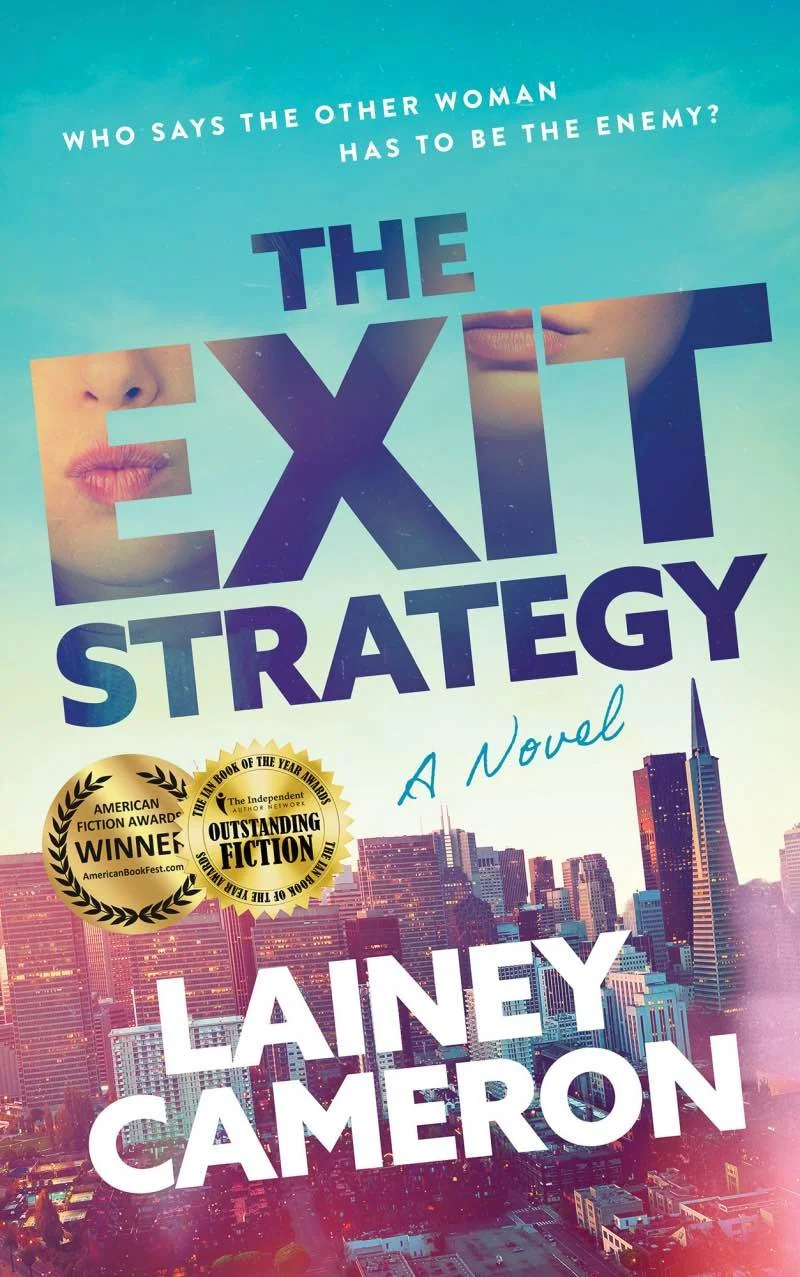
And I think it's an amazing book if you have not read the exit strategy, especially with, you know, it's a fantastic story. It's cool. It's got this new cover. Just really makes it pop. So definitely give that one a look.
Lainey Cameron 4:31
Apparently, I left the book, box of books downstairs, so I don't have one because I was selling people were buying them when I was at that event, so I took my box of books with me, but maybe I'll get it brought up here by the end. But that was a lot of fun. And last thing is, I was asked to talk about book marketing at the Alexandria retreat for women's fiction writers Association, which is at the end of April. So I will definitely be, you know, barring any things that I'm not foreseeing, I will be in Alexandria at the end of. April at the WFWA - Women's Fiction Writers Association retreat for a few days. So if you're on the fence about that one, come hang out with me. And I haven't quite worked out what we drink at the bar in Albert at the retreat there we have margaritas. I don't know what is Alexandria. Someone needs to tell me what one is supposed to drink in Alexandria.
Paulette Stout 5:24
So, yeah. So for me, it's been, you know, it's kind of been a time of reflection, you know, a lot, you know, I feel like I finally begun to shift out of that kind of new writer, this is so cool, happy puppy stage of my author career into something that's a little bit more sustainable, you know, because we get so wrapped up in some of these things and the book sales and all the things that we kind of lose sight of the joy of writing and why we're doing in the first place. And I think that's a little bit of the impetus for this episode about giving that reflection and looking on your books and figuring out how what you can be doing better. So that's was kind of how my 2026 was. I'm super excited about the work I put in to to this basic episode. Is a lot about this journey, so I'm not going to go into it too much here, but very excited about that. You know, looking forward to get back into marketing, my marketing, my series, I am really engaged with my next book. I'm a little excited about, like, 25,000 words into it, and I have a writing retreat next weekend with some friends. And that's another thing you know, you don't have to wait for a big retreat.
Paulette Stout 6:32
If you want to go hang out with your author friends, just go rent a VRBO and go do it, you know, just find that community. Um, so doing, doing that next week, getting writing back in, and also, you know, getting out and doing some different kinds of events, for me is a little scary, like, I'm going to be in Las Vegas for a book event in March. It's called book lovers con. It's at the Flamingo hotel. I think it starts on the 25th or so of Las Vegas. Never flown to a book show where I have to, like, figure out how to ship books and all that kind of stuff. It's a multi day event, which also I've never done so, doing some first this year, also speaking at the Liberty state Writers Conference in New Jersey in April, doing a session on writing the senses. So if you're in the New Jersey area and are interested in that kind of conference, they're going to have a lot of agents and pitching and different things. So it's a great show. You should look into that.
Paulette Stout 7:34
And then I'll be at some, you know, some different Roman shows this year in Connecticut, and in July, and then in October, we'll be hearing more about that. So lots of kind of first like, still, some new firsts that are exciting for me is like, how to make a little bit of a harder pivot into romance. Love it. And by the way, here's the book. Now I have it, yay.
Lainey Cameron 7:55
Hubby brought them up from downstairs for me.
Lainey Cameron 7:58
Yeah, this book. Read it because if we're only to work out what 10 writing rules it breaks in the first, very first pages. And finally, I plugged it into an AI. I plugged the first chapter in which is uploaded there anyway, already. I'm not giving it any already have. And I asked it the same question, and I had found six, and Claude AI phone, 10 and more interestingly, clock told me for each of the 10 why it worked, and I didn't even know that for some of them why they work. So it was kind of fascinating. Let me know if you're interested people, I'm happy to take that document and put it up online so you can see it somewhere, because I thought it was kind of fascinating to know not only the role that was broken, but why it worked. That it was broken, that, yeah, you write by instinct. You don't even know why it works. You just know it does. And I was determined to keep certain things, but it was really interesting. I was like, Oh, I never realized that.
Paulette Stout 8:49
I mean, that's another thing that you know, this is the focus of the episode today. But if you were writing in that kind of a style, and you are querying, that could also make it harder to get maybe an agent or a deal, but it does not mean that readers won't really dig what you did. So I think that that's something to keep in mind too. You know, it's like, who are we writing for? Yes, writing for ourselves, but we also want to give readers a really good experience, and if you're delivering on that, who cares if you break like 15 rules in the first chapter.
Lainey Cameron 9:19
Prologs are a brilliant example of the that. So some of the best selling books that readers adore have prologs yet. Good luck getting an agent with a Prolog on your sample that you send to an agent, because many agents are going to just reject the book. I mean, they don't even read past the word prolog. It's long because it's a Prolog not interested. And so that's a really good example of that.
Lainey Cameron 9:42
Okay,
Paulette Stout 9:47
so I think this is, this is my first question, because I haven't, you know, had four book series where you know when you write,you get better at it, just like you get better anything. So for me.
Paulette Stout 9:59
Me, I always felt like my first book was my weakest, and that's I thought that myself. So you have to kind of look and see, like, what are the signs that you may not be doing is good. And frankly, it might be the book, the book this might not be good enough, and then you can decide what to do about it. If you write standalone books, that might be okay. I may just not market that book as much, but if it's something like me that was like a an anchor for a read through, because you want people to read books 234, they get better and better as they go. Franks, if you haven't read my books for us, you know, go get them. But so I took the time and I rewrote the first book I I used the skills I have now as someone who has now written five books, including the one in the drawer,
Paulette Stout 10:44
to go back and make the first book the best it could be. I know I know my audience better. I know my reader expectations better. I know my genre better, and I was able to kind of make that pivot. And because of that, my good read score has gone up like a whole point from the first edition to the second edition. It's come from like three points up into like four point something, you know. So I feel like sometimes when books aren't selling, it's the book, and it's a little yucky to feel that way. Sometimes, oh gosh, so I'm going to agree and disagree with you on this one. So sometimes it's the book. And like, I don't generally push people to read the reviews, because I think for many authors, reading your reviews is going to get in your head, and it's actually not going to be that helpful. But if you are questioning whether your book is the problem, and you're thinking about putting a new cover on, you're thinking about starting again, you're that is the moment that it actually makes sense to read the reviews, right?
Lainey Cameron 11:42
And what I would recommend is so, so one star reviews are incredibly unhelpful. Okay, so one star reviews are incredibly biased. They tend to be like, I hated this because my husband cheated on me, and I hate all books about cheating, okay, well, you're not going to go change the premise of the book, right? So it's not helpful. Or, you know, I hated this because I hate all books with blue dresses on the characters or whatever, like pet bugaboo, the one star reviewer has, you're not going to do anything useful with that feedback. So I would say, like, if you're questioning whether it's the book, in addition to looking at self, in addition to looking at the review score, which, if it's solidly 3.5 or below, it's probably worth reading the reviews. But in addition to looking at that, look at the two three star reviews and see what they're saying. Are they saying it's slow? Are they saying they didn't like something about the characters? Like you might find some helpful feedback in those two, three and even sometimes four star reviews that can help you, but the one stars toss them overboard. They got nothing to teach you. So in that way, I agree with you that could help you know if it's the book. But in another way, you know what? Maybe it's not the book. Maybe it's that you only have one book, and that's my case right now. So even though I just put a new cover on my debut, the old one, the new one, I also have some reasonable expectations that part of why I put a new cover on it is because my second book is coming this year, and most of most of the economics and book marketing says a reader reads a book whether we're talking series or not. It's easier if it's a series, but a reader reads a book. They like the author, they go find the other books by that author, and if you only have one book, did I just give you the wrong finger.
Lainey Cameron 13:22
Okay, if you only have one book, your economics of how much a reader can go read after that book, right? It's you're only going to read the one book. And so advertising, like Amazon, ads are going to be hard for you, because the economics of getting that one reader and then they only read the one book. So, like, it could be that the best thing you can do if your first book is not selling quite as well as you like, is not go back and fix or work on the first book, but focus on getting your second and third books out there faster. And so I just want to put that out there that even if your first book has a 3.1 review score, let's say, and maybe that's leading you to think there's something about the book, I would go work on your second book, first and even your third book, and then do what Colette did, which is loop back around to the first book. Don't do it right away.
Paulette Stout 14:11
That's an amazing point Lainey, because I was this was after book four, like I had four books out in the series before I even contemplated rewriting book one, and that was only because I wanted to read through to the other books. If you're writing standalone books, yes, you're going to get you're going to get some extended readership because, like, we're going to go find your other stories. But the connective tissue between the stories isn't as strong, so one isn't necessarily dependent on the other. So if you're book one. And, you know, book marketing 101, is always like market to book one. You know, I've marketed to later books because those were actually getting they were satisfying readers better.
Paulette Stout 14:50
So for me, that was a big journey, and it was a big investment, but I feel like it was worthwhile, because the reader experience of book one can then be a little bit more indicative of how the rest of the series will be for people, right? So,
Lainey Cameron 15:04
And the energy you put in is going to come back to you more once you've got more depth
Paulette Stout 15:07
Exactly. And now I'm like, yes, yes, yes. And now I'm like, this story is done. I'm never looking at it again. I will move on and do other things, you know? So I can't wait to read the the new version. Do you don't have a you don't have it with you. You can't show it to us right now. Can you Yes, we're talking about covers next.
Paulette Stout 15:27
This is the new, Second Edition version of Love Only Better, and the first edition, you can kind of just see how this would have killed because I was new, and I was like, This is what it's fiction, and I want the cover, you know, I mean, the journey of the horse. My first cover, I'm going through the whole thing, but this was the current cover. This was the, you know, the cover before,
Lainey Cameron 15:48
For those who're on audio, the first cover is like purple with flowers on it. It's subtle. It's understated. It doesn't say romance. It kind of says, you know, women's fiction is less literary fiction. But it's kind of not clear what exactly the exactly the book is from the cover,
Paulette Stout 16:10
Right? So it's a, it's like a, it's like a, kind of a deep purple with a white orchid and turquoise block letters. So it's in. This was something that I did intentionally because I was trying to appeal to more of a women's fiction readers, because I thought the more so sober themes with the book will lend itself to that everyone who read the book called it a romance.
Lainey Cameron 16:26
That was actually my question for you is, how do you know when it's the cover? So let's assume that we have concluded that it's not necessarily the book. Let's say your book has a solid 3.9, 4 and above review score. Readers like this book, or they'll love this book, so it's not the book. Let's say we've gotten over that, and we're concluded that we don't need to go rewrite this puppy. It's not the book. How do you know if it's the cover? Because that's kind of the next most obvious thing. If a book is kind of not getting traction in the way you hoped, how do you know? How did you know that you needed to redo yours?
Paulette Stout 16:56
I think that it's, it's, you know, learning more about the purpose of covers, the purpose of covers is basically to kind of suggest the reader experience that they're going to get, obviously, to be appealing, but you want to give some tonal genre fit. There are some there are really powerful cues that the cover will signal. And I think for me, when you look at the books that I was reading as the comps for the books, like my book looked nothing like the other books. And we also always talk about that with covers. If you listen to the Damonza episode that we had when Damon was on, you want your book to fit alongside the others on the shelf. It can be distinct and memorable, for sure, but you don't want it to look completely out. So if I was the only one with no people on my cover, to me, I have to get a person on my cover. And for me, I wanted to put a person, but I also wanted it to be different, because my books have very strong female heroines, and it's their journey like and then with the male character, but it's a it's a powerful story of the main character. So I didn't want to put two people, because two people would definitely suggest typical contemporary romance. The whole story is about this couple coming together. My story is, yes, they're romance, but they're also about the heroine's journey to find herself and overcome some kind of social issue that I include. So my cops had one figure.
Lainey Cameron 18:21
So you knew by feedback from your readers who were calling it romance, so you realized you'd positioned it slightly wrong as a pure woman's fiction. So you had a genre misfit. And you also knew because you were looking at the comps right you were looking at once you realized that it belonged in a certain area of romance. You were looking at the other books in that category on Amazon, for example, and seeing that you're covered and look like their covers. And I think that's a really smart thing for our listeners to do. So if you're trying to work out, is it my cover, I have two thoughts on how you could do that. So one is, take that Amazon page with the top 25 sellers in the genre that you know you should be in. So it's really important that you start by understanding what genre your book is in and maybe that's the problem. Maybe you put your book in the wrong genre to start with, and that's where you need to listen to reader feedback. If everybody's describing it as a romance, or everybody's describing it as sci fi, and you thought it was something else, you might need to go back and question the category. But let's assume you're in the right category.
Lainey Cameron 19:16
Take that grid of 20 plus covers, put your cover in a thumbnail version, and I recommend to show it to people who are not your buddies. Show it to people who are not your friends and family, because your friends and family are not necessarily readers of your genre, and ask them, which one would you click on? Which one would you want to read? That would be one way to get feedback, right, because it's actually hard to know if your cover is working. But there's two things I see that happen in covers that really drag books down. One is exactly what you're saying, which is, it doesn't look like the genre. The other is, it looks like a self published, self done, unpolished cover. And I really encourage you go listen to that episode on book covers, because we go into this in great detail with Damon from Damonza. I know we talked about how to tell but like, that's the other thing is, like, it's kind of hard for you to judge because your friends and family have been telling you they love to cover. Meanwhile, readers are thinking like, this looks like self published garbage, and they assume the book is right.
Paulette Stout 20:13
And I think the other piece that Lainey mentioned is, don't everyone's opinion isn't equal. So if you have family members, if you have your friends, family, spouse, whatever, they don't read your genre, their opinion is really not as helpful as you might think it is. It's not just getting people's opinions. It's getting the right people's opinions. And this is where other groups can be good putting it up on social. I know Lainey had done tests with hers running ads to different covers to see which, you know, got more responses. But I think that there's, there are good ways to reach the right people and get those people's opinions. Because I remember at one point when I was working, I'm like, This is my fourth cover for my first book. Y'all, this is it.
Paulette Stout 20:59
But a lotof the women I was people I was asking were women's fiction readers, they were not romance readers. So I think some of the feedback I've gotten on some earlier covers really weren't for the right target audience. And I think that that was another reason why I've been struggling with some some of the packaging issues is because my community was really about women's fiction, and they're not the ones really reading my type of stories, right? And that actually can be where your five star reviews can help you is if you see your five star reviews and the people are raving about the romance in the book, and you didn't position it as a romance to learn there, right?
Lainey Cameron 21:33
Like if people look at whether you're doubling down on the things that people said they loved. And this actually kind of goes into the blurb thing, because when I redid my cover. So from old cover to new cover, one of the things I did is I completely rewrote the blurb, so the blurb on the back of the book is completely different to the original blurb. And I did it based on what readers said they loved. I actually put my reviews like I printed out the page, or I PDF the page of 400 odd, 300 400 odd reviews, and I put it into AI and I said, Tell me what readers liked about this book. And it gave me very specific points and what readers liked, and it wasn't what I was emphasizing in my original blurb. And so when I rewrote it, I said, Okay, I want to lead with those things that the five star reviews really loved. And so that's an asset you have. If you've already got a book out there, you can look at your five star reviews and say, Is my blurb getting the right stuff across? Because if it's not your cover, we started with the big one, if it's not the book itself, and it's most likely, next one is the cover. It's not the cover, you can click the covers good, then it's probably the blurb, I would say. And we did a great episode on book blurbs with Jesse kiniff that I encourage you to go back and watch. You got a whole hour there on blip book blurbs. But tell us more. Paulette, how do you know it's the blurb? What might be wrong with it?
Paulette Stout 22:47
I think it's, you know, working with Jesse on four blurbs now, because I did all the blurbs over and all the covers over last year.
Paulette Stout 22:55
It's really, are you focusing on the right stuff? And are you saying too much? You have to remember you have a really limited window of attention when people are browsing for books, whether that's in a bookstore or that's in a digital environment, you have a very quick Jesse's blurbs are like 150 words. So for the most part, you know, a lot of the blurbs I see from you know author peers are like almost twice as long. You feel like you have to tell the whole story from beginning to end in a blurb. That's not really the purpose. The purpose of the blurb is to give a sense of the story experience, mood, tone, pacing, style, like, if you have a very quirky, whimsical type story, that writing style should kind of come across in your blurb. So the tone of the book is really important to express in the blurb. Ask some questions and then leave like out. It's like, it's a it's the if this is the PROLOG, this is what comes before.
Paulette Stout 23:51
You don't have to answer all the questions. You shouldn't be introducing every, not even every major character. What are the main points? And get out, because otherwise people start getting a little confused because there's not enough information, and they feel like the book is going to be confusing and they're going to bounce right.
Lainey Cameron 24:09
And I think that's it actually happens with covers too right? We get too attached to all the things you want to have shown on the cover, when really it's just important that it says genre, like, like, it doesn't have to show, you know, the color of the desk that the writer wrote at, or the the necklace that she wore. Like it's not that important. You think it is, but it's really not. And the reader, like, even it doesn't have to look exactly the same as the character, right? Like we talked about this in the demands Exactly, exactly. And I think especially with the blurbs, we try to cram all of that information in there. Maybe we couldn't get it on the cover, so we're gonna put it on the blurb, and it's, I completely agree with you, Paul, 100% it's tone, it's emotion. It's giving a sense of how that's gonna feel to read that book. We talk about this in my class when you're building your author brand, that I view author brand as a promise of experience. So palettes brand, you probably know it off the top of your head. I'll do it without knowing your official tagline, like, it's all about emotion, a romantic journey, but she hits these hot, topical, social topics, and all of her characters are deep and interesting, and it's not like a light, flimsy romance. I don't know, how do you describe your books?
Paulette Stout 25:13
Yeah, I've started to noodle around with romance with passion and purpose. So it's something like around that, which is like, yes, you're getting mad, man, you're getting something a little bit more too. So it's romance but different. So that's kind of like my vibe is romance but different. So I feel like I'm leaning into the romance marketing and the packaging, but I'm also just tweaking it a little bit so people understand it's a little bit of a different experience, because all of the reviews and everything you get is all about reader expectations. Are you meeting the reader expectations? Because it could be an amazing book, but if readers thought they were getting something else, they'll be dissatisfied, and maybe you'll be attracting the wrong type of reader. So all of this we're talking about from the book covers and the writing itself is getting the right kind of readers and keeping them satisfied. So, and that's tropes, right? Like, tropes really matter. If you are marketing your book, your book description, we're talking about the blurb here hits on the trope, right? So let's say your book description talks about, you know, Mandy hates Bob, because Bob is this and Mandy is reliving her life, and she'd never be with a guy like Bob. Okay, so whether you know it or not, you just set up an enemies to lovers trope, right? Because you led with hate, the word hates. Okay, so you set up enemies to lovers. So let's say what happens in the book is she really, truly hates Bob, and Bob is a jerk and an asshole, and she gets rid of Bob, and she gets a different guy, okay, which you should, because Bob is not worth her time. Readers are going to hate that book because they thought it was enemies to lovers. And it doesn't matter if it's a great book that people would otherwise have liked, if your blurb set it up in a way that they thought it was enemies to lovers, they're all deeply disappointed because Bob disappears and is a jerk and isn't in the book by the end and she's with some other wonderful guy. Even though that's a great book, it's not going to fly, and it's purely because you accidentally hit head on a trope, and that gave the message to the reader that they would get that trope. And so you gotta be really careful that your blurb isn't trope signaling in it, right? You know, by accident, not that you meant it to.
Paulette Stout 27:16
And another place that you want to make sure. So, you know, especially like in, you know, we're talking about keywords and categories, is another place where you can make sure you're trying to attract the right people. Because even if you're selling in a bookstore, there are categories. There are, you know, buy sacks and all kinds of things that people are looking and, you know, book buyers and librarians and everybody they're looking for specific types of categories of books. So if you are, if your cover is on point, if you've got a dark cover with big block letters and you have a categorized as, you know, cozy mystery, you know that's going to feel a mismatch for people who are looking because they're going to be looking at the category, and they're going to be looking at the book, and they're going to be like, this doesn't go together. So keywords and categories are also very important for you as you sell in a digital world, but also for you know, any kinds of Book, book marketing and retail or engagement that you have.
Lainey Cameron 28:13
Yeah, and this goes back to really understanding that category that you fit within. Because, yeah, I actually had a friend who almost brought out a domestic suspense and it looked like a horror cover. I was like, no, no, you can't do that. Don't do it. Don't do it. And so like, you know your category, let's say you got category right. We always say smallest category better, because the categories flow up into the bigger categories. So like, women's fiction is a humongous category on Amazon that you have to sell, like, four or six, that 6000s of copies a day to get to number one in that category. But if you go down to like sagas, you only have to sell a few 100 copies a day to be number one in that category. Under women's fiction is a subcategory, so you want to go as low as you can in the subcategories, because you automatically get into the bigger ones above.
Lainey Cameron 28:52
But within those categories, we've looked at covers, we've looked at blurbs. Go look at how the books are described, because there will be common words that are used right like in women's fiction, betrayal is a really common word that comes up a lot, friendship, redemption, family dynamics. You know, yes, you want those words in your blurb, and you want them in your keywords, and it's really worth looking at the rest of your category to see what are those common words? There are tools that you can use. What's the one I'm thinking of right now that we both publish a rocket publisher rocket is amazing for this. You can go into a category and look at the top words that come up in that category. You can also search keyword phrases. You want long keyword phrases. So you don't ever want to just have women's fiction. That's not helpful. You want to have redemptive women's fiction with whatever, like health,
Paulette Stout 29:45
With health crisis, cancer, recovery, you know, whatever, dementia, something, you know, whatever you have in there. So I see Beth has a question, any suggestions for how to test your blurb to see if it's signaling a trope. And I think that, um.
Paulette Stout 30:00
Like you could, you could stick it in, into an AI, LLM, and say, what what cat, what categories or tropes do you think are being suggested by this book blurb?
Paulette Stout 30:12
You could also just send it to some friends and say, like, if you read this verb, what kind of a book or what tropes do you think would be forward in the story? So I think those are probably really easy,
Lainey Cameron 30:21
multiple AI, stick it in chat GPT and Claude. I do this frequently now to see what the difference in answers is, and sometimes it's quite different, but I like that idea a lot Paulette, because the AI isn't biased. It's not your buddy, it's not your friend. They have a bias to want to please you, but it's still going to give you a much less biased answer. It was to please you, but if pleasing you is telling you the correct answer, it will tell you the correct answer. If pleasing you is giving you garbage, it will sometimes give you garbage. But in this case, I think it's a brilliant idea, because it's going to give you a much more measured database response than you're going to get from any individual friend, family, author, etc.
Paulette Stout 30:59
Exactly. Now, one thing we're talking about book sales is, Are you doing anything to sell it? You know, sometimes we are so excited and engaged as a passion and we get it out in the world, and we feel like everyone is at the dinner table holding their fork and knife, waiting for your buck. And that's just not how it is, there are 1000s, 10s of 1000s of books that get published every month. No one is sitting around waiting for your book. I'm sorry if that feels like a little bit harsh, but they're not, so you have to let them know about the book. So are you marketing at all? So for me, this year, I turned off my ads in like, November 2024, and I did, I did I did some, you know, I had some things scheduled in February of 2025, for my book launch, but I did not market the rest of the year. I took it as a step back year to reassess, to rewrite work my brother, my covers, rewrite the book like I was doing a lot of, like, deep work.
Paulette Stout 31:57
So I just turned the ads off. I don't want to sell books that I feel I'm not proud of. So which was, like with my first book, I was a little bit that way. So if you're not marketing, you're not going to sell books, you know. So if you are really not putting in that effort to let people know about the books, if you're not, you know, running ads if you're not, you know, going to events at the library and speaking, if you're not reaching out to book clubs, if you're not writing articles about your books, if you're not, you know, promoting it to a newsletter list, if you're not, you know, building a substack and doing some writing like any of these, like any way to let the world know your book exists, like there are. You know, we've talked about them on this podcast all the time, all the different ways. If you're not doing those things and you can't, kind of sit there wondering why your book isn't selling.
Lainey Cameron 32:45
I completely agree. And one of the things I teach in my classes, because as you were going through that list, my heart was starting to palpitate. Oh, my God, so many things, so many things. You don't have to do it all. And that's one of the things I teach in my classes. Like, there's like 50 plus things you could do to market your book, do the one that brings you joy and doesn't make you want to hide under the table and, like, not see people for five weeks. Like, you know, if you're an introvert, going to a book fair and sitting at a table might be the thing that you just like, never, ever. I want to have to do. On the other hand, Paulette's brilliant at it, and has these tables and, like, engages people in conversation and gets great engagement with readers that way. And that's why she goes to events, right? Like greater events. So like, if that brings you joy and you would get fun out of it, absolutely do it. If it makes you, you know, wish you were dead. Don't do it. Do Amazon ads. Do something that doesn't write blog posts that doesn't require you to be in front of people. So this is something I really, really reinforce in my own book marketing program for authors, is we're going to pick three or four things that you will work for your book will work for your target reader and genre, and that you like, that you actually have fun doing. Because what's the point in doing this if you just hate it? And you know, the marketing piece is just, like, makes your skin crawl every time, like, that's that life's too short for that. Yeah, 100%
Paulette Stout 33:58
Yeah. And I think, and then looking at those efforts, and like, how did I fare, you know? So yes, I go to a lot of book shows, but then I look at the data. How did that show work for me? Did that show work good? Then maybe I'll go back the next year. If that work that show, if I didn't sell as well, or like, I went to a show with one of our writer friends a couple years ago, and like, everyone walked by so they didn't read. So for me, I'm not gonna go back to that town, because readers aren't readers are my people. And if you don't read books, then you're not my people. So sometimes it takes a little bit to find the right venues. Another thing I did want to mention is that, you know, maybe, like, three, four. You know, people had been talking about kind of blogs being dead and podcasts being the new wave, right? And I think that there is definitely growing space for long form writing again, you know, with sub stack and with people on their own blogs, because all of these AI.
Paulette Stout 34:59
Large language models, they live on data that the picture like a big garbage eating whatever data is their stuff, and words are data. So I think that if you are more comfortable writing and having that be the way you express and engage with the world, I think that it's becoming more relevant again, in a good like if you don't want to be on camera, if you don't want to be doing social then writing blogs, whether on your own site or on substack. I think that that is becoming an increasingly viable model again, because large link goes model are looking for information.
Unknown Speaker 35:35
Cool, one of our favorite ones here, right? Agree?
Unknown Speaker 35:40
I completely agree. I completely agree. And it's so funny, because we all have, like, so many things we're juggling. And I keep saying, I'm going to move my newsletter to substack. I'm going to restart my newsletter on substack, and every month, like, December, like I said, I was really sick, I was going to do it by the end of the year. Hopefully I'll do it by the end of January. No, because just like, but first I want to go my class, and maybe we should skip to that. I can talk a little bit.
Paulette Stout 36:04
Let's go to that, yeah.
Lainey Cameron 36:05
And then we can go to the next set of questions, where we're going to talk a little bit about community and pricing. Is an interesting one too. We kind of went from the biggest to the smallest in terms of which ones are most likely to be your issue, to which ones might be an issue. But it's maybe not.
Lainey Cameron 36:18
So let me just talk a little bit about my program. I have a program for authors. It's called 12 weeks to book launch success. It's a small group program, and the next group starts on March 1. So if you're interested, you've got a few weeks here, and then we're starting, and it won't be back until the fall. And what this is for is it's really ideal for Debu authors, authors who are maybe two books under their belt, maybe three, and you don't feel like you've totally mastered this marketing thing, because we start from the fundamentals of your brand, your Amazon categories, your keywords, and over a series of weeks, we're going to do all of this. It's not like I'm going to teach a class and then you're going to not know it. Left knowing what you're doing each week. We have a workbook. We actually create your keywords. We create your brand statement of experience. We get your Amazon category sorted out so you will have all of that foundation. We work on your blurb, even a little bit working with the other people in the class.
Lainey Cameron 37:10
And then from there, we go into how to create social proof. And this is all based on a framework of what creates a successful book marketing plan. We go into how to create social proof. What is social proof? It's other people talking about your book, influencers, readers, reviews, even awards. How do you get all of that? How does that work? And it's, again, super practical. I end up giving you lists of awards and showing you how to pick the right ones. I give you lists of how to go to influencers. I give you templates on how to reach out so that you can just change the template. So I'm expressing all of this to make it way easier.
Lainey Cameron 37:43
But also the big thing, like I said, is helping each person in the class choose what's going to work for their target reader and their category. So by the end of the program, by the end of the 12 weeks, you have a full book launch plan that you are ready to execute, and you're actually already executing. And so it's a super practical class. I call it a program because it's not really like a learning class. Like you sit there and listen to me talk, and then you go away going, Oh, well, that was a lot of good information. Now I don't know what to do with it.
Lainey Cameron 38:08
My goal with this is that you end up with a launch plan for your book, or, in one case, one of the people who's already signed up for the class, it's a relaunch plan. So she's decided that she didn't do a great job marketing her first two books, and we're actually going to use the class to develop a relaunch plan for her books, which is really interesting. I've never approached it that way, but I think it'll totally work. It's really good memoir, if you're in the genre of memoir, domestic suspense thriller, women's fiction, I don't take nonfiction, so I don't take like, self help books, and I don't do kid lit. And the reason for that is those are different markets, markets, and the way you market those books looks different. Nonfiction is not so far apart, but I'd rather keep the grip kind of focused on very similar genres. And so I've got cozy mystery people, I've got domestic suspense, I've got thriller, I've had a lot of memoir people at this point, but not kidlit. I actually had someone in kidlet kind of asking me please to join. And I was like, Nope, it's just not the same market. You know, in kid lit, which is children's literature, your reader and your buyer aren't the same person, and so selling to schools and libraries is a very different market. So I'm afraid I can't help you there. I'm just not an expert, and I feel like I want to, I always want to deliver my expertise and help my class be successful.
Lainey Cameron 39:19
Oh, Beth is sweet. Beth is a past class member, and she's she's saying in the comments that it was so helpful to her. Thank you, Beth.
Lainey Cameron 39:30
So like I said, we're starting out again. You are welcome. I actually just created a little video the other day about scams because someone asked if my class was a scam. And I loved this. They put it in the comments of one of my videos, and they actually created a video. Created a video to say, I love that you asked that question. Because, you know what, if you're considering investing in anything, you should go talk to people who did it. Go talk to other authors. Anything that's a big money ticket purchase, if you're getting an editor, if you're paying to redo your book covers, like go talk to other authors who worked with that person or agents.
Lainey Cameron 40:00
And so that was my answer. Is a go listen to our episode from November about scams. B, absolutely. Talk to other people, and you can go to my website, you'll see almost all of the 30 people who've been part of my class. They all have given me testimonials, which just blows my mind. And you're welcome to talk to any of them. And the last thing I want to mention is if you're from a group traditionally underrepresented. So let's say you're an author of color. Maybe you have a chronic condition, maybe you're LGBTQ, plus, I mean, there's so many different categories. I'm not restricting it to that, but these groups don't get their voices heard. They have a hard time finding agents, they have a hard time getting published, they have a hard time getting their stories out there. And so I want to help. And so there is a program where you can join the class at no fee. If you are from a group traditionally under underrepresented in publishing, you apply. And every group has some number of people who are scholarship students.
Lainey Cameron 40:52
And so if you're interested in you're thinking like, oh, the money part is a problem for me, but you're from a group that traditionally doesn't get their voice heard, please apply for the scholarship program. I will tell you the scholarship students, and I don't publish who they are. It's up to them if they want to share it. The scholarship students are some of the most active and productive and helpful to the rest of the class group each time. And so I love this because it also brings a diversity of perspectives into the group.
Lainey Cameron 41:18
And like I said, often, like when the class students are helping each other, the scholarship students are the smartest and end up with the best results. So please do apply, if that might be a fit for you. And in case you can't tell from hearing me talk, I get so much freaking joy out of doing this. I love this. It is like my favorite thing. I have so much fun with this class. Yes, hanging out with Lainey is a joy at any point in time.
Paulette Stout 41:40
So yes, for sure, but that, I think our next question is really great coming off of that opportunity to be part of your 12 weeks program, and that's about community, because programs like that and other forums are great places to meet peers and form community. And I think that that sometimes gets kind of under overlooked by some people. There are a lot of really great authors out there who give and support and help and promote and do swaps and, you know, celebrate successes of their peers and things. And I think this is that's such a huge part of the author community. So if you haven't been doing that, if you haven't been leveraging author relationships, if you haven't been really giving before you ask, then when your book marketing comes times you might hear some crickets, because you haven't put that foundational work in to, you know, to build community and to build like a network for yourself.
Lainey Cameron 42:40
I love, actually, Beth made a comment here that I'll put on screen for those. Beth said, I met some great women in your program, and they helped me to this day. That makes me so happy, because, yeah, in fact, it's a weird one to think about, but maybe the best thing you could spend your marketing money on is going to a genre conference. So thriller Writers of America, women's fiction writers retreats.
Unknown Speaker 43:04
I don't know what's the cozy conference, right? Or it's self publishing conference, like I went to author nation last year, and certain genres was a lot of people in those genres at author nation, yeah, take time to connect with them. I think that's a really great point, Paulette, because, yeah, those authors, they can support you, also they have access to the audience, right? So like a well, selling author in your genre, not only knows what works, so I recommend always go look at what they're doing, because if they're selling, well, they probably are doing something right. Don't feel like you have to copy them if they're a New York Times bestseller, because they also have a lot of support. But if they're, you know, a mid tier, well, selling author in your genre, maybe look at what they're doing. Are they spending time at libraries? Are they going to face to face events? Are they at conferences? Where do they speak? What do they do? Are they on certain types of podcasts?
Unknown Speaker 43:48
There's a lot to learn there, but yeah, like you'll probably get more impact by getting featured in one of those authors newsletters, because they've got a list of 1000s of readers who like work like yours, and by getting one of those authors to read your work and like it, hopefully that'll have way more impact than a lot of other things that you could do by yourself. I love to recommend also consider volunteering if you're early in your author career. I talked about this at my author speech this week, because I have such an easy time getting blurbs. But it was because these authors that I hugely respect, like Rochelle Weinstein, like Carrie lensdale. I had met them. I had hung at the bar with them. They knew that I was a volunteer. They had worked with me in that capacity as a volunteer in a writing organization. And so when I asked for help, it wasn't like, Who is this person I've never heard of coming out of the blue? It was like a Lainey. Yes, she helped me on this other thing. Oh, I should help her back, right? And so it's nice,
Paulette Stout 44:42
It definitely is. And I feel like you don't want to be coming with your hand out, like if you haven't already helped someone up. So just kind of like, have that little bit of that giving mindset. I mean, even us here on this podcast, this is something we're doing for the author community. We are giving. We are, you know, this isn't anything we're getting rich off.
Paulette Stout 44:59
Of but we're doing it because we want to give back. And Lainey and I met at a conference, you know, a bunch of years back, and we've stayed in touch, and we've worked together in committees, you know, we've formed little author communities. We've done different things. And, you know, it develops over time, so you have to put that investment in, and it doesn't talk. It's painful, if you're like an introvert, you know, connecting with other people who are going to be kind of at the same, like, emotional intensity level as you will be, kind of like a comfort. And that can come from writing critique partners, from local writing groups. You can come through your libraries, plus putting yourself out there a little bit and, you know, going to your library and saying, hey, I want to do a little bit of an author group, you know, put a little, you know, paper sign up at the libraries if there's anybody any takers. So it doesn't have to be a really sophisticated digital experience. It can just be as simple as putting a flyer up and saying anybody interested in coming, and talking about writing in books or something, right?
Lainey Cameron 45:54
And it doesn't have to be a quid pro quo. I see people misunderstand this and think like, I help this author, this author helps me. And I've even had people email me like, I did this one thing for you. I want you to do that one thing for me, and it comes across badly. It's more about contributing to the community. And people see like, I see what happens in the community, right? And if I see that someone's a really active community member and they're a volunteer, it doesn't matter if I personally never interacted with them. I see that about them, and I know that they're a helpful person to other authors, and I want to help them back, right? So it's not a quid pro quo, like I did this thing, so you did that thing. I don't like when people personally. I don't like when people approach it that way. It feels transactional, and it just it rubs me the wrong way.
Paulette Stout 46:34
So since we're talking about community, I thought it'd be a great time to just talk about like opportunities that you might want to consider around like group projects, like anthologies, or, you know, ways that you can potentially come together to do marketing and reach different types of readers. So I've been in two anthologies so far, and one I, you know, both of them, I kind of helped a little bit. The first one a lot more, but it was an opportunity for different authors to kind of pool their resources together on a project. You build those relationships like we've been talking about, but it's also enabling people who might buy the anthology to find a reader that an author they know will then read your work too. So it's a nice way to expand your access point to different reader communities through the by leveraging the fan bases of other authors as well.
Paulette Stout 47:26
So, you know, if there's group projects like that, you know, that could be something that you might want to consider. I've never done one of those. That's an interesting idea. I need to give us some more thought. Yeah, and I think, you know, and you know, we could even organize one lady, you know, you know, empowered women characters or something you know you have, like, a theme or something around it that kind of ties the stories together.
Paulette Stout 47:49
Other things that you can potentially do to attract readers is create what are known as reader magnets. And these are little samples. It could be your chapter one from your book. It could be a prequel to your book. It could be an audio sample. It could be, you know, a character. It could be a map of your universe, if you're writing fantasy or something. It could be a family tree, you know, with some nice graphics on it. If you, you know, have a book that has lots of layers and different POVs and lots of things going on, it could, if you feature something in the story, if you feature a book or an album or something, you could make one as like a giveaway. So it's basically a little bit of a sampling that you give away for free to attract readers to your work.
Paulette Stout 48:36
And it's, you know, free is a nice way. If you're in the supermarket, you get a little sample of the thing, and you like it, you get you go over and you buy it. And it's the same thinking around magnets. And usually those are just things you kind of give away. You promote on social. You can run ads to them. I've run ads like Facebook, ads to my reader magnets. And it helps people enter my universe, you know, join my newsletter list, and things like that. And it's something you give away for free.
Lainey Cameron 49:00
I like it, and also I've been thinking about, like, maybe some of the content on substack leads to something deeper. As a reader magnet, it's worth considering
Paulette Stout 49:09
You can make a compilation, like, if you have, like, a nice group of essays that you've written on different topics, you can put them together into one piece and give that away too.
Paulette Stout 49:19
So, and that's something that you can use your the front matter and the back matter of the books you publish and you update. Here's a link to my free thing. So it isn't something that you all necessarily have to promote at all, but that's like, you know, use the real estate and the inventory in your books to help sell and build community and readership.
Lainey Cameron 49:38
Yeah. I mean, what I like about what you're saying there is like we traditionally think of reader magnets as a way to get people in our newsletter, right? That's what the reader magnet term tends to be used for our for. But I like what you're saying because you're almost saying it can be an on ramp to someone's work. So let's say some 100% has multiple books, right? This is why we give books away for free, sometimes first in the series.
Lainey Cameron 50:00
Or a pre series book, but like, I like that idea of thinking of it more of if you've got a body of work, how do you give people a really low cost or free on ramp to come into that body of work knowing that they're they're going to want to read the rest.
Paulette Stout 50:12
Yes, exactly, and that's what so what I've typically do is, like, for my first book, even before my first book launch, I wrote a prequel So, and that was in my book. And it was like, because my character, my first book is from one point of view, and I gave another character's point of view, just if you want to see sometimes you can do the same scene from a different character's point of view, and it can be, you know, five, 8000 words doesn't have to be really long, but to something that's a little bit of a taste of something your readers might like. In my third book, what we what I can't see, I kept talking about something that happened, that didn't happen in the book, so I did a reader magnet. That was what happened between these two people that I kept talking about that wasn't in the book. So there's, you know, you can be really creative about what you want to give away and how it connects to your stories. But it really should connect in some way, because the whole point of getting people into your universe as an author, as a working author, a publishing author, is to get them to read your stuff. So hopefully it'll kind of be an enticement.
Lainey Cameron 51:14
And one of the things you brought up, Paulette, was the idea of getting them to read your stuff in more countries. Can you talk about that?
Paulette Stout 51:20
Yeah, I think one of the things I listened to on the creative pen podcast with Joanna Penn, and she's based in the UK, always takes, she takes a very global point of view, and she really influenced me very early on, when I started writing back in, you know, it's kind of on a regular basis Back in 2020 to think beyond the United States, because there are readers everywhere. And this always stuck with me. So I have, you know, I've run ads in other countries, other English speaking countries. I've intentionally pursued influences in other countries. I've, you know, make overtures, you know. So it's kind of like building that readership everywhere, everywhere people read.
Paulette Stout 52:05
I when I first was publishing, I published wide, which I published lots of different countries. That means I ran promotions on Kobo, you know, where I would get readers, you know. So right now you'll see my marketing. I often talk about readers in 44 countries, because I want to make sure that people understand that these are universal stories that are appreciated, not only with a American lens, but there are universal human stories that can be appreciated everywhere. So I think for me, being global, promoting myself, you know, tagging. I got a new reader in Australia. I got a zombie a reader. I got, you know, reader in Japan today, you know some so talking about making readers feel welcome from wherever they're reading is a big part of what I feel about the universality of my stories.
Lainey Cameron 52:51
I love that. And I actually think people over worry about like language, like, Oh no, it's in the UK, and British English is different. And, you know, well, Australians it's like, Oh for god's sakes, everybody knows how to read American English, and they understand it's an American book, right? And vice versa. I love British thriller writers, and I'm never stopping going like, Oh, that's a British word translator books for other English audiences. I call bullshit on that, yeah.
Paulette Stout 53:16
And it's funny, because, you know, I sell books in Germany, you know, decently, you know. I guess Germany is probably one of the other, like, non English speaking countries where I'll just get a sale there, like a random sale in Germany. I'm like, Okay, you go Germany, you know. So there are some really interesting AI translation softwares out there. So I'm considering, you know, I want to see how, when I kind of turn the marketing engine back on, I'm definitely thinking about doing some translations. And they have some services that are, you know, the AI does the first pass, and then a human kind of reads it to make sure that it's okay, and it can cut
Lainey Cameron 53:59
Awesome episode. We should do an episode .
Paulette Stout 54:01
We should do an episode on that because I'm super interested in that this year. And I think that there are certain markets that are really underserved for books, you know, and if you can get into those markets kind of on the leading edge of things, you are going to benefit, because with the AI translations coming out now, people are going to be jumping on that. And if you can be an early adopter of that and get your markets, you know, there are a few countries, Germany, Portugal and Spain, are three countries that are like, have avid readers that are kind of looking for books.
Lainey Cameron 54:35
Okay, so if anyone listening knows someone who is an expert on international markets and translations. Sounds like someone we could get a guest on that would have, yeah, I can.
Paulette Stout 54:46
I'm going to dig into that because I'm, I'm selfishly interested in that myself.
Lainey Cameron 54:49
Yeah, great topic. I love it. I love it. And we also have an episode coming up while we're talking, episodes on what to do when you get your rights back. So part of why I was able to put a new cover on my first book was I was with a small publisher. After five years, I got my rights back. And this is happening a lot. I have several people who've reached out to me. Gosh, I think I have a 10 have reached out to be asking, How did you do this? How did you keep your reviews?
Lainey Cameron 55:11
How did you not have to start from scratch? So we are going to address that. We have a guest who's been through this, who I learned from Jean Grant who is going to join us, and we're going to talk about what to do when you get your rights back, and how do you how do you make sure it works the right way you don't lose all your work to date. So that's upcoming here in the next few months, which is kind of exciting. And we also have an episode that's coming on. What did you learn from your first book that you can take forward to your second or third or fourth book or but second to fourth or whatever, which I think will be really good.
Lainey Cameron 55:38
So we've got some good stuff coming up as we get into the rest of the year. What I wanted to do, Paulette, is we kind of talked about the big things that might be wrong if you're not selling enough, right? So the big things, your cover, your blurb, are you actually marketing the book is a really big one, right? It doesn't sell itself just because you put it up on Amazon. But there's also some, and those are the ones to look at first, right? Like, I'd really say, like, those are the things to start with. Don't start with the ones we're about to say next. But if those things, you've been through all of them, and you're marketing the heck out of it, and it's in the right category, and it's an amazing book, and it's got a great blurb, and it's got a great cover, what else might it be? And I think we can almost bundle two or three together, because there's there's prices, yeah, we can run through these. Yeah. So let's do a quick pass on each of these.
Paulette Stout 56:23
yeah. So give me pricing. If you are not pricing your books appropriately, readers will walk away. So if you are pricing a novella at a same price as a full length novel, people are going to not see value in that. If you are, if you are, you know, pricing outside of where your competitive set is. Pricing that could be a thing if you are doing weird prices internationally. That can be a turn off for readers. So when you get your currency converted into different currencies, you get these weird dollars and Scentsy things, and it just looks like you're not considering that market's need. So it's little thing of rounding out the prices to that local convention can be a nice little touch for people who are in different countries looking at your titles. Another thing for me that I found also, go ahead, Lainey, I'm sorry
Lainey Cameron 57:13
I was just going to say also looking at whether you're comparing to the right books. So there's something weird going on where big publishers are putting ebooks out at like 1415, $17 these days. And if you're a self published author and your ebook is $16 you're competing with ebooks at $4 $5 $6 from from very successful, best selling indie authors. And so I would be careful at looking at what you're comparing to there, because those big publishers are doing that for a very good reason. They want to profit and benefit the bookstores. They don't necessarily,
Paulette Stout 57:45
yeah, and they don't. They're trying to discourage digital reading. So they that's a strategy for them. They don't want that's a price, because they don't want people to buy. So if you're trying to sell ebooks, that's not the model to follow. The other thing for me, I needed to learn is also, is, how do your readers read? And are they that? Are they monster readers? Are they avid readers? For me, I'm now that I'm positioning myself in romance. These are monster readers, and they are budget conscious. So I was not in Kindle Unlimited. Initially. I was wide, you know, philosophically, I felt like that was the best approach to me. So I was running ads, and they were coming, and then I was getting zero sales. Because I think these are people who are kindling their subscribe subscription readers, and if you are not available to them as part of the subscription, they're going to go elsewhere. So knowing how your readers read, so when, for me, going to KU was a really big
Paulette Stout 58:33
strategic pivot, because that's where my readers are. They want to read as part of their subscription. They don't want to always have to pay for books. That's where they are. And I also get a lot of library audiobook listens because my readers, because they read a lot, they aren't subscribed in subscriptions, and they read a lot at the library. So those are my two big, you know, money making channels. Even when I'm running zero ads, like I did last year, I was still finding readers through Kindle limited and the library,
Lainey Cameron 59:05
And I'll just share because this is new news for me. So I brought my book keep showing it on camera out last year, at that point, I started doing some Amazon ads. I tested some new things with Amazon ads, and I will tell you that, oh, I went KU so very importantly, I brought it out as Kindle and Kindle Unlimited. So the ebook is only available on Amazon. That means you're unique to eat Amazon. On your ebook, the paperback is available much more broadly. Here's what's interesting, I am making more money off Kindle Unlimited than I am off selling ebooks or paperback. So Kindle Unlimited is bringing me more more money. I mean, we're talking small amounts of money people don't want to unset like set realistic expectations for you. But still, I was really interested to see that by the end of the year, and this book only was out for three months, I made considerably more money with more reads.
Lainey Cameron 59:54
And if you divide the page reads by the number of reads in the book, more books sold through KU, I wasn't surprised that I saw more books through KU. I was surprised that I made more money through KU than I did on the ebooks and paperbacks. That was actually kind of eye opening for me.
Paulette Stout 1:00:09
Yeah, I don't sell a lot of paperbacks, and I know that that's a really big, you know, for most people, but yeah, for me, it's I am in ebooks and audio, and that's kind of where I'm making my money. So let's go through a few of these. I know we're getting long. Here is your word length and count and with reader expectations, if you are writing books, and people are used to reading books that are on 50, 55,000 words, cozy books, and then you're coming in at 100 that's going to be like, out of line with where that reader is. If you especially on audio you know, is your audio book like an 810, hour book, or is it a 17 hour audio book? You know, that might not be something people want to spend that much time with, you know. So word count in line,
Lainey Cameron 1:00:53
but don't be don't be too.
Paulette Stout 1:00:55
Don't be crazy. Don't be crazy. Is your POV on point, you know? So if you are right, most of your readers enjoy reading third person, point of views for the genres, and you're writing in first person, then that might not be something they like. And I have the reverse for me. When I rewrote my first book, I took it from third person to first person, because my readers like first person. They just do you know, romance readers like first person, so that's another thing, or is your perspective in line?
Lainey Cameron 1:01:23
Yeah, and like, some things are hard to do, so like, omniscient is hard to do, head hopping, where you're in everyone's heads. I don't want to say you can never be successful with a book like that, but if you chose that and you're not getting great reviews, might be the first place to look, because it's hard to pull Yes. And so maybe that point of view is really getting in your way. If you wrote in like an omni head hopping kind of point of view, not saying it can't ever succeed, it can. There are very beautiful, fabulous, successful books with that, but it's much harder to get it right and to have it be a successful, liked book.
Paulette Stout 1:01:58
Yes, exactly. Um, when is the right time to pause and move on to the next book? Sometimes that's a thing, folks. Some books are just not going to sell. They're not going to sell as well. And you know, at some point you need to move on. It's a laineyage point. Put your effort into the next book like Don't get so stuck in the mud with one title that you lose fact that that you can write more. So always be looking forward.
Paulette Stout 1:02:24
Yes, you know, market your babies and see what's selling, but at some point you're going to find books in your catalog and in your back list that some sell and some don't, and that's just kind of how they are. So also, don't beat yourself up if a specific book isn't selling, it doesn't mean it's not good. It just means that all of these different factors that we've been talking about for the last hour are not aligning for success for that title. Just move on to the next ones. Also at some point, exactly, I completely agree, which is what I'm doing. I'm not putting a ton of energy into marketing my first book. I will, once I get closer to my second book coming up, that'll make more sense for me then, and hopefully the covers will look somewhat similar.
Lainey Cameron 1:03:00
So, yeah, no, I think all of that's very true. And man, Paulette, you had a lot of good thoughts in this episode. Thank you.
Paulette Stout 1:03:08
Sorry. Sorry.
Lainey Cameron 1:03:09
No, I love it. I love it. I think this is such a hard thing for people to know where to start. And I think if you go through the checklist of things in the order we went through here, it'll really help you. I think it's hard because this is one of those things where one person will point at one thing. So, you know, one person will tell you, Oh, it's clearly your cover. And then you go off down that path. But maybe kind of try to approach it a little bit more analytically, a little bit one step at a time, versus just assuming, because one person gave you one piece of feedback, that that's what it is.
Paulette Stout 1:03:39
Yes, exactly, and and end with everything we are here giving you advice for an hour and over now, but you know your situation best. Nothing. There is no one right, no one right way to do anything when it comes to your author career, you are your individual. You have unique perspectives, you have unique circumstances. You have neat, unique finances. All of this is take all the different options and try what works for you. Always take whatever you hear on any podcast and any article in any class, take it and do what works for you. So don't feel like you have to do everything or, you know, it's really very individualistic. I love that.
Lainey Cameron 1:04:23
In the talk that I gave this week, one of the things I encouraged writers to do and authors to do, is work out what your goal is. If your goal is, I want to meet 10 readers. If your goal is, I want to make people cry. If your goal is, I want to be a New York Times bestseller. There's no one right answer here, but work out what it is and stick it on a post it note on your computer or somewhere that you'll see it frequently, so that when you get that, like, green eyed jealousy of like, this other person got whatever compared to your goal was that even what you were wanting to start with. And so I think even when something an opportunity comes up, or the book's not doing well, like wanted, like, what was your original goal? And just don't lose sight of that, because it's just too easy to be buffeted around by other people's perspectives and what success is, and have your own perspective of what is success to you?
Paulette Stout 1:05:08
Great. I think that's a whole lot, and that's enough.
Lainey Cameron 1:05:13
As always, we are happy to take questions. We love getting questions. We're on social media, on Instagram, on Facebook. We have a sub stack, so find us in any of those
Paulette Stout 1:05:23
And TikTok
Lainey Cameron 1:05:24
yes, find us in any of those places, and we'll see you next month.
Paulette Stout 1:05:29
Bye everybody