Episode 208: Book Marketing - What We'd Tell Our Debut Selves
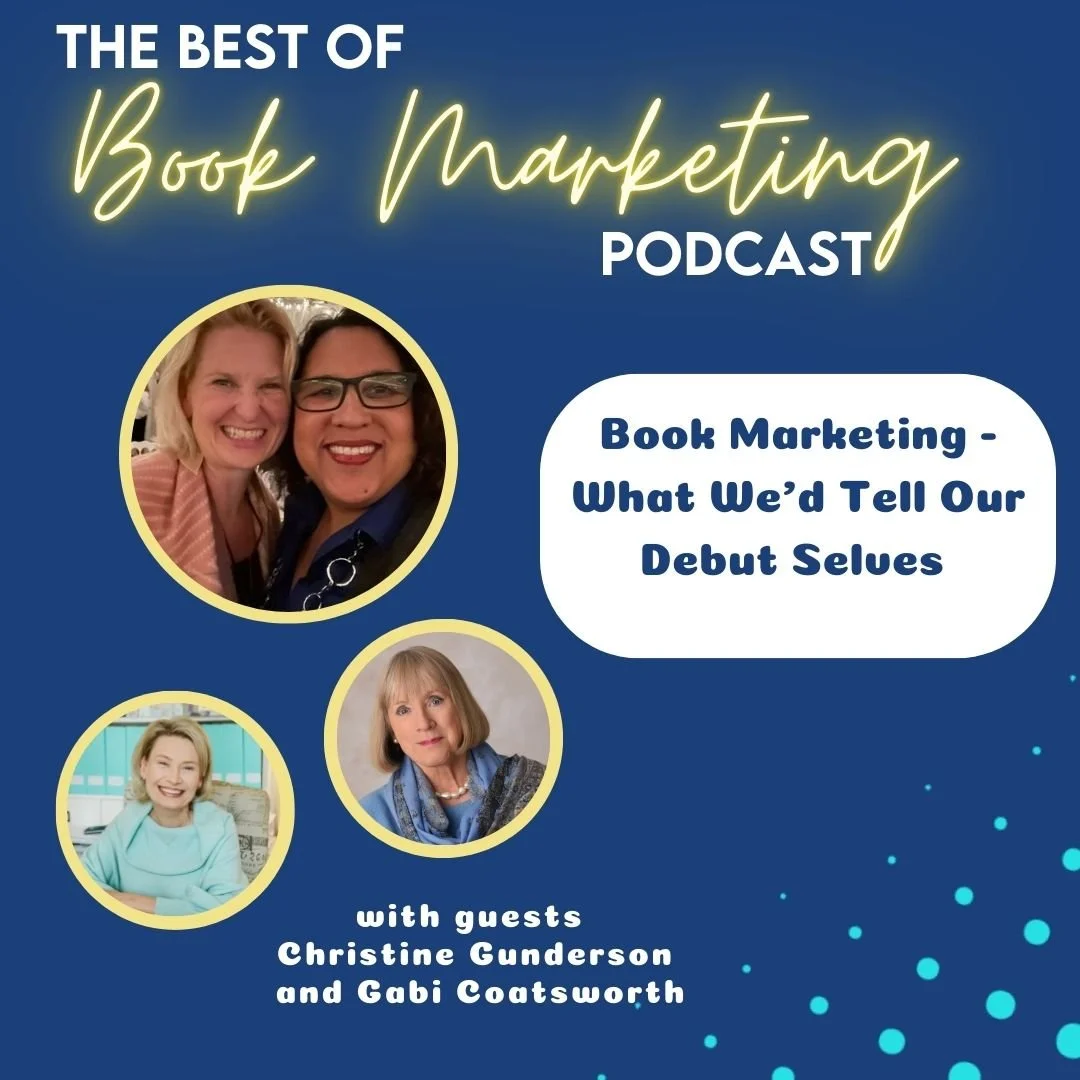


We pour everything into our debut books. But what actually gets meaningful results, and what's just noise? In this episode, two authors who've done it more than once give us the honest debrief.
Christine Gunderson is an award-winning, Amazon bestselling author. Gabi Coatsworth is an award-winning British-born author
They'll share what worked, what they'd cut without hesitation, and what they'd tell their debut selves.
About Christine Gunderson
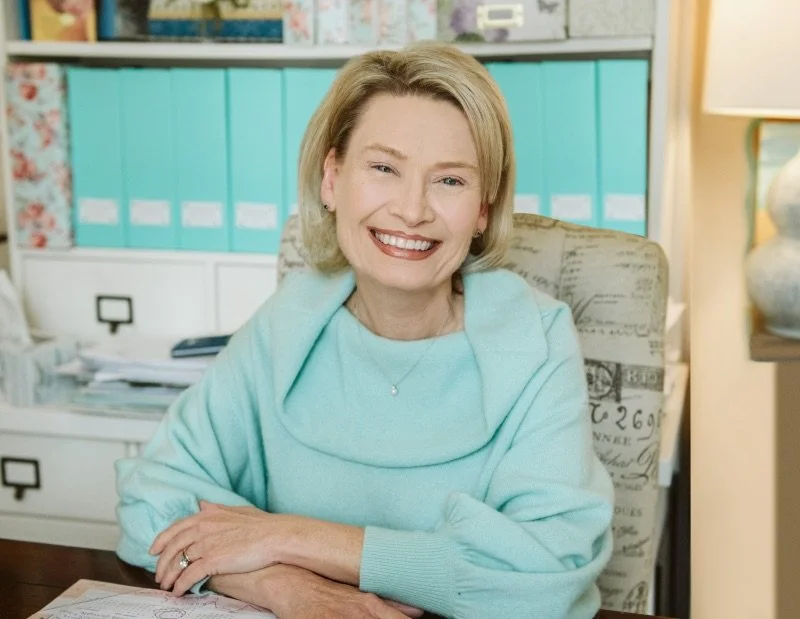
Christine Gunderson is an award-winning, Amazon bestselling author. She grew up on a fourth-generation family farm in rural North Dakota where she read Laura Ingalls Wilder books in her very own little house on the prairie.
She’s a former television anchor and reporter and former Capitol Hill press secretary. She currently lives in the Washington D.C. suburbs with her husband and three children.
Her debut novel, Friends with Secrets is an Amazon Bestseller, an Amazon Editors First Reads Pick and winner of the Women’s Fiction Writer’s Association Star Award for Best Debut Novel.
Her next novel, Behind White Picket Fences, releases in June of 2026 with Lake Union.
About Gabi Coatsworth
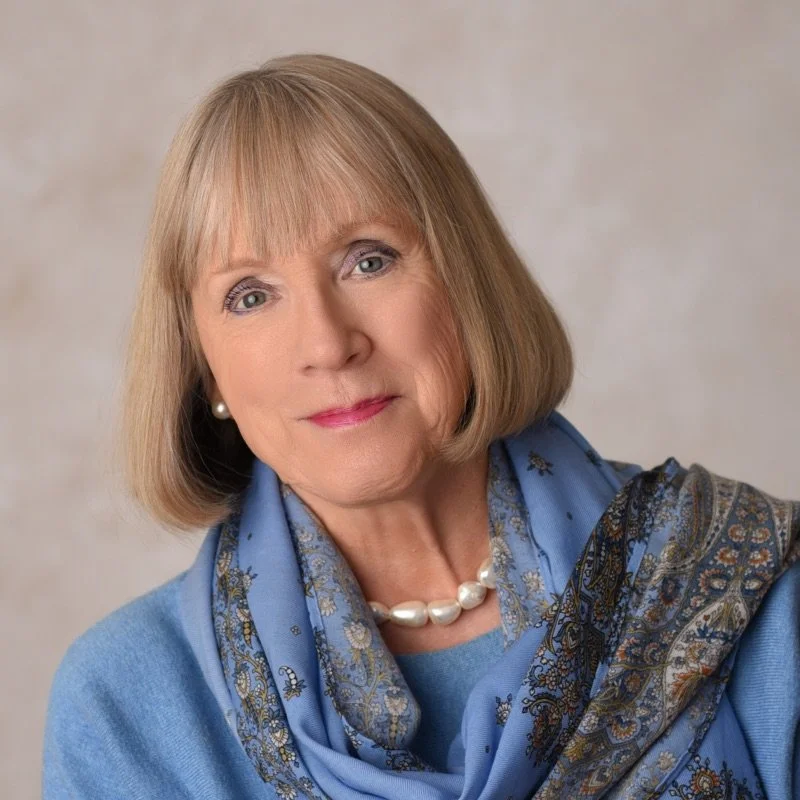
Gabi Coatsworth is an award-winning British-born author who lives in Connecticut in a cottage that’s American outside, and English inside.
Her first novel, A Beginner’s Guide to Starting Over (2023), features a lovable ghost, and so does her second, A Field Guide to Library Ghosts (2025). Her award-winning memoir, Love’s Journey Home, came out in 2022. When not writing or traveling, she runs groups for writers in Connecticut.
Books Mentioned
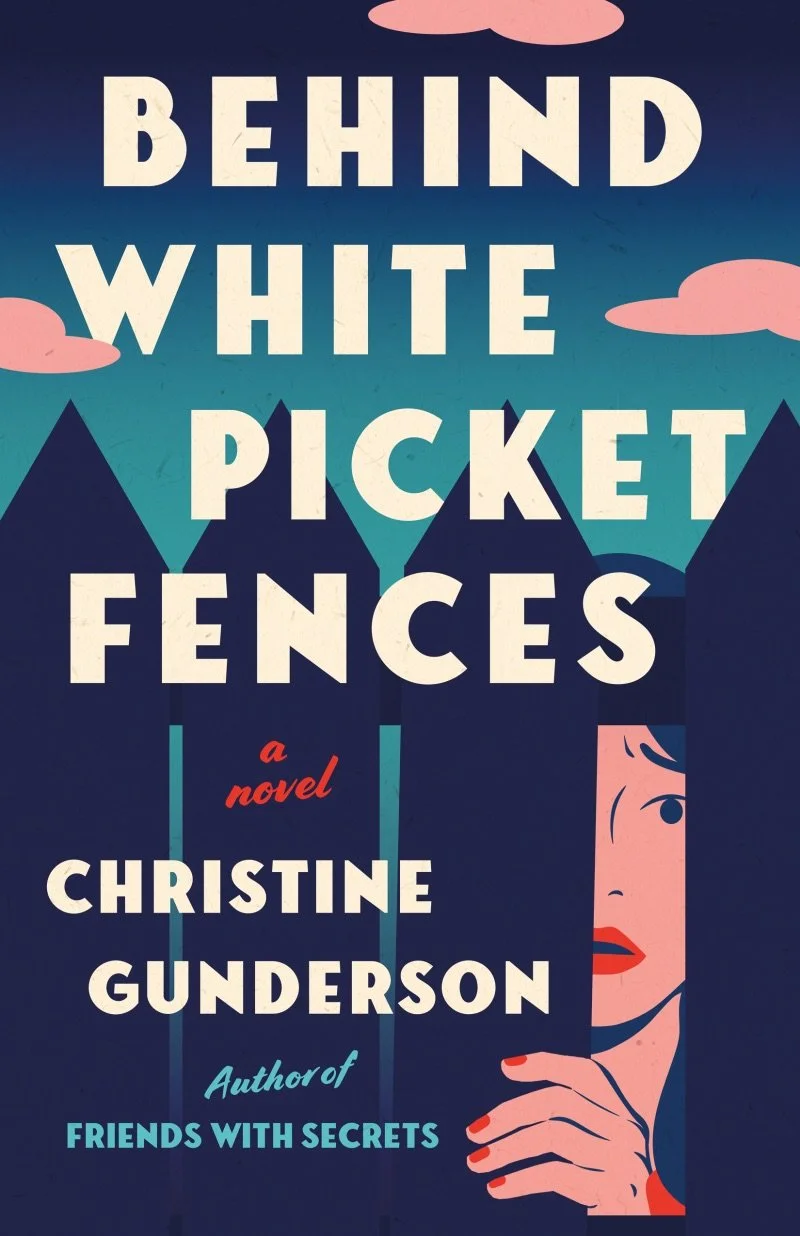
Behind White Picket Fences by Christine Gunderson
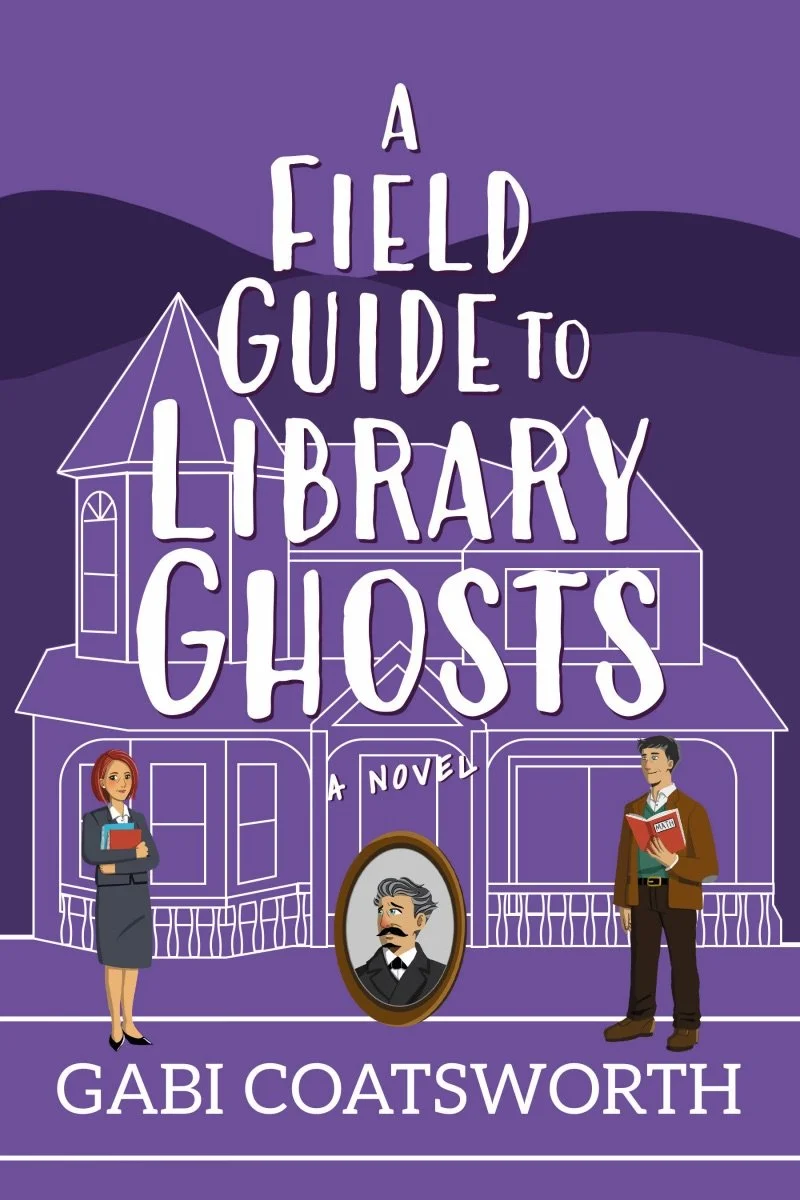
A Field Guide to Library Ghosts by Gabi Coatsworth
Full Disclosure: We are part of the Amazon affiliate program, which means Lainey earns a tiny commission (maybe enough for a coffee) if you buy something after clicking through from a link on this website.
Note: next sections are mostly created by AI for your convenience - so please forgive any typos or inaccuracies!
Transcript
Paulette Stout 0:04
Hello everyone, and welcome to the best of Book Marketing podcast. I am Paulette stout, and we are here with Lainey Cameron, and we have two amazing guests that will join us in a moment right after our updates, turn off and silence myself on phone. We are here to talk about debuts, and we put all of our effort into debuts. But what do we learn from those experiences? So we're super excited to get into that. What did we learn so we can pay it forward for ourselves and for others? So it'll be a great conversation with our two guests, and we will do our personal updates first. I think, yeah,
Lainey Cameron 0:49
what's happening with you? Tell us first.
Paulette Stout 0:54
So I'm really deep into writing my sixth novel, and I'm super excited. It's in a new genre for me, it's a sapphic romance, and I am feeling the flow. So I'm very excited about that. I really love these characters. I have zero outline. I am totally just going this time, and I've had to redo it a few times, but I feel like I've got it kind of the first third in a good spot, and I'll be able to move forward. Super excited for that. Also, as I've repositioned my books into romance, I'm really just trying to dive into that space. So I've got a bunch of shows coming up. I have book lovers con in Las Vegas, which is a four day show with the flint a hotel. If you're going to be there at the end of March, I'll be there unless my like pain me leg won't let me fly, but I'm hoping to be there also have book con in New York City at the Javits Center. I'm super excited to get into that. There's gonna be some really big name people there, and it sold out in like a minute. So I'm excited to be there in the in the alley area, and I'll be also at the Liberty state Fiction Writers Conference in New Jersey, and in That's April, I'll be teaching a session there and selling books. And I see some thumbs up over there from Christine. Are you going to be there, too?
Speaker 1 2:10
I went last year. I love those love those writers. It's an awesome conference. Yeah.
Paulette Stout 2:15
So I'll be speaking there, doing a session on writing the census, and it's a great session. I could barely fit everything in in an hour, and I'm excited that I'll also be doing that in July for wfwa women's fiction writers association. So if you are not attending that conference and you do want to hear that subject, I encourage you to sign up for the webinar when it loads up and more to come on that. So what's up with you?
Lainey Cameron 2:40
Lainey, well, I just got back from volunteering for a full week and a bit for the San Miguel Writers Conference here in San Miguel, the Allen day, which was fabulous. Had so much fun. I love the focus on making everybody at the conference feel welcome no matter where you're from, no matter what language you speak. There was a lot of focus on increasing the Spanish language programming, which was really great. We had the Minister of Culture for Guanajuato, came and spoke about how to support literary endeavors in Mexico, in addition to all of the International prisons, historically, this conference has like just over 1000 people come in from around the world for it. It's a lot of fun. And so I just want to point out, if that might appeal to you, I will tell you that I'm feeling very safe and comfortable in Mexico this week. I am not worried at all. We had a couple of interesting days there last week, but everything is calm. And if you might be interested coming next year, they're doing the same price as last year on the conference. Until I knew I wouldn't remember this, so I wrote it down for myself until and then they can't remember what I said until March 30. March 30, you can get the this year's prices, and then they go up after March 30. And if you might want to do a session and come down and kind of get to go to the conference as a speaker, they're taking proposals until March 15. So I thoroughly recommend it. It's a really, really, really good event, a real blast. I have a lot of fun with it. Otherwise, I did a really interesting session. It was very fun for Sisters in Crime. I did an online workshop for them all around how to succeed without a publicist, and how to tell if you even need one. So if anyone wants me to give that presentation to their organization, let me know. It was a lot of fun. It went really well. We got phenomenal feedback on it. And coming up on Monday, coming up just a few days from now, I start my next group in my 12 weeks to book launch Success Program, which is where I help authors with creating a launch plan for their book. And small secret, both of our guests actually went through the program with me, so they are welcome to tell me, it sucks live here in front of everybody if they didn't enjoy it, but I know that they both have such interesting careers and such interesting community, and part of why we selected them, and I felt very strongly about bringing Christine and Gabby on, is I knew they'd have so much to say on this topic, and they're always helping other authors, and so I love bringing on people who represent the best of the writing community, and I think that's it, other than Albina Alexandria. In April for the WF wa retreat in Alexandria the last week of April. So lots of fun stuff happening right now.
Paulette Stout 5:07
Yep, yep. Love it. Love it. I did see your post its of your edits today, and it looked a little bit mind blowing, but very impressive, I'd
Lainey Cameron 5:17
say, trying to map my character's journey, because my beta reader said it felt a little repetitive. She was beating herself up, like, like, dwell, kind of dwelling in her lies and shame for too many chapters. So now I'm like, Okay, how can we do a little piece at a time so it doesn't feel right?
Paulette Stout 5:32
I liked her dwelling in lies and shame, and I was a beta reader too. So just like, okay,
Lainey Cameron 5:36
okay, well, I know it's like, at some point it's like, it's good enough. Let it go, yes, yes. Yes. Okay, so let's move into our episode, because this one's going to be a really fun one. I think it's just going to be a really open, fourth rate conversation. And we all like, we pour everything into those debut novels, right? And the thing is, sometimes what works is not what we expected would work, and sometimes we do things that we look back in time and we're like, Why did I waste my time and energy on that thing? And so we might be we thought it might be fun to talk about that. Talk about what that looks like, what worked, what didn't work.
Lainey Cameron 6:10
We also want to talk about, what would you cut without hesitation now that you're doing this the second the third time? Like, what would you just throw overboard and say, Why did I spend my energy on that? I had a whole list of those after my first my debut, five years ago. And so let me just tell you a little bit about our guests, because they both are fascinating people.
Lainey Cameron 6:26
Christine is a former television anchor and reporter, and she's a former Capitol Hill press secretary. You can imagine how difficult that is on the level of like balancing all your constituents doing that job. Her debut novel called friends with secrets, came out in 2024 and it became an Amazon bestseller. It was winner, the winner of the wfwa Star Award for best debut novel. It's a phenomenal book. It's all about friendship and secrets, and it's a really fun read. It's got just that, like, right amount of suspense, but it's also core, like women's fiction, emotional journey. Love, love. Loved it.
Lainey Cameron 7:04
Gabi is an award winning British born author. She and I have that in common. We're both Brits. She lives in Connecticut in a cottage, and it's American outside and English insight. I love that. And she released her third book last year, and her award winning memoir, love's Journey Home came out in 2022 that was kind of her debut book, and then she did a debut novel after that, so be interested to hear the differences. And she's got a new one that came out last year, and the novels are a series, which will be an interesting conversation, because it's slightly different, like, you know, palette when you've got a series versus when you're doing individual novels. So I think that's everything I wanted to tell you about them, but they are both just going to have so much interesting stuff to share. Let's get going cool.
Paulette Stout 7:49
So let's just dive in, and I'll just start with you. Christine, just tell us a little bit about yourself and your books, and you know where you are in your writing journey?
Christine Gunderson 8:00
Well, I was born and raised on a fourth generation family farm in rural North Dakota, so I'm always the only person in the room who grew up in North Dakota. My debut novel came out in 2024 it's called Friends of secrets. It's published with Lake Union. I have a second novel coming out June 9, also with Lake Union, called behind wet picket fences, and I am actively working on a third novel, which is due June 1, the day after my son graduated from high school, which does not yet have a title. So I'm a debut. Second novel is coming out soon, and I'm trying to promote the second one while writing the third one, which has been an interesting balancing
Paulette Stout 8:43
act, and it looks like you've made the pivot from memoir to series, or how tell us a little bit about you and your running journey.
Gabi Coatsworth 8:49
Gabby, yeah, so it wasn't exactly a pivot, because I started writing my memoir thinking nobody was ever going to read it, but as people read parts of it, they're like, you really ought to publish this. So I did, and I kind of made my way through. I read everything I could find, and I asked people about what you had to do to launch your book, and it was complete overload. But some of the things when you're doing memoir are similar to what you what you have to do when you're doing a novel. As I discovered, I was a bit more No, I was completely over the top for my novel. I was exhausted. I didn't have time to write. I was practically in tears half the time. Had I remembered to do this? Had I remembered to do that? And then I found out a few things.
Lainey Cameron 9:45
So here's a fun one, if you think back about your debut launch, and I'll let you choose Gabby, whether you consider it your memoir or your first novel. What is one word that comes to mind that would describe your debut? Yeah. And I'll let you go first. Gabby, so here's your
Gabi Coatsworth 10:03
so mine would be over the top.
Lainey Cameron 10:09
Too much, too much. No, I like that. Christine, what about you?
Christine Gunderson 10:15
I think mine would be grateful. I am. It took me 10 years to get a traditional publishing deal and an agent, and I was just so excited to finally be a published author that I was just so grateful that it was happening, that I didn't have a lot of expectations. And looking back, I'm really grateful about that, because someone once said expectations are resentments waiting to happen. And so I was just I was grateful to be there. I was grateful to finally be in the room with the big kids sitting at the published author table. So grateful is probably the best word I have to describe my debut.
Paulette Stout 10:55
Yeah, controlled chaos. I I thought I had it all under control. I had this big, fancy PR agency, and we were doing all the things, and then it got out to readers, and then, like, all hell broke loose, because people started fighting in the comments on good reads. And just it was, just like I had to, you know, my cover was, I just worried that the cover was misrepresenting the stories about the quickly pivot on the cover, and then it just became this whole trying to catch up to the marketplace and learning what I didn't know. So it was definitely controlled chaos. How about you?
Lainey Cameron 11:33
Lainey, yeah, you know, I'm also on the grateful one with Christine. I felt like I had so much support from other people. And I guess I guess I have to point out that maybe my debut was 2020 so it was covid year, right? And so I was with a group of authors. I was part of the 2020 debuts group that was meeting in a private Facebook group. And we were all kind of heads exploding, going like, oh my god, you know. A, the world is just, you know, wow, what's happening? And B, like, all the publishers were like, throwing their hands in the air, the traditional publishers, especially, to publishers, especially the really big ones, were like throwing their hands in the air and going, well, we sell to bookstores, and the bookstores are closed, so I don't know what now like, literally, the publishers were looking at the authors going on, what now and so unpredictable, unexpected, irrational. You know, I went into it thinking I had my plan fairly organized, and I ended up feeling really grateful both the support that I got from other authors and also that I was with a small publisher that wasn't bookstore dependent, because it felt like the authors who were going through bookstores were just put through the ringer in 2020 and almost honestly, again, in 21 so it was kind of unpredictable. I don't know. I'm predicted. Unpredictable might be a good word. And let's, let's just ask, like, is there anything Gabby and Christine? Anything you want to tell us about your debuts? Like, the quick story of your debut? Like, like, who did it come out with? Was it really your first book? Like, maybe Christine. Tell us a little bit about, like, what's the story of that debut novel?
Christine Gunderson 13:00
Well, it definitely wasn't my first book. I have six unpublished novels in a drawer that were rejected by agents or rejected by publishers or rejected by both. So it was actually my seventh novel, but my first women's fiction novel, and I had a different experience because I was with Lake Union, and it was selected by the Amazon editors for first reads. And so I was, I just got really lucky, and it sort of got this shot of rocket fuel that, you know, led to it doing really well. And I would love to take credit for it and say it was, it was all me and my brilliant marketing, but it wasn't. I was in the right place at the right time and and so that was kind of a part of my publishing journey that I wasn't expecting, but was a wonderful unexpected benefit when it actually happened,
Lainey Cameron 13:56
and it led to you having, like, I want to say, like, 25,000 reviews or more at this point, it's a huge number, right? Yeah, yeah, and that's word of mouth, right? When you get that many reviews, that many people reading, it's amazing for word of mouth,
Christine Gunderson 14:09
yeah, yeah. That was really helpful.
Lainey Cameron 14:14
Gabby, what about you?
Gabi Coatsworth 14:16
Well, so my I wrote the memoir first, but my novel was something that I really wanted to do, and I started writing it during the pandemic because, you know, we all wanted to be somewhere else, right? So I invented this world and these characters and everything. And I thought, Okay, I'm ready to go. It's a small town in Connecticut that I've invented. Well, it turned out, never mind, it turned out that I'd invented a town that actually sort of exists. And it wasn't till I went to that town and they went, Oh, my God, you've put us in your book, that realized that the American pronunciation of the town I invented made it sound like. Them anyway. So these are the little things. You think you know your market. I know my market now is that little town. They'll buy every copy. But before I and my books are what I refer to as feel good fiction, I'm fed up with the other labels, and they're tricky because I have, I have a friendly ghost in there. I have a woman on a journey and and the ghost seemed to be so popular that when I was writing the second book, and feeling a bit bored with it myself, I was getting feedback from people saying, We love you. We love this ghost, I thought that this what this one needs. So now this book, the second book has has got ghosts in it also. So it's escapist, in a way, escapist fiction. It's not exactly fantasy, it's not romantic. It's hard to pigeonhole, and that's a difficult thing when you've got a novel. So I had to figure out what my what my market, who were my readers going to be? That was my first job, and I think I did pretty well with that. I reached those readers, so I was happy about that, and my in I just say one thing very quickly, my i i had been collecting all kinds of marketing ideas right all over the place for at least five years before I even had a book to publish, and I had 120 pages of it with all the links for everything from, you know, key chains and bookmarks all the way up to services that would do X, Y and Z for you and and so. And I have I referred to it? No,
Paulette Stout 16:49
yeah, we talked about that in, can't remember what episode talked about that, that acquisition of learning, where you're just kind of collecting things and then getting that overwhelmed feeling. But, um, let's go back to the marketing piece. Christine, so when you were thinking about marketing your book, you probably had a sense of what it was going to be like. So how did reality compare to your expectations? And I know you said the expectations were regrets, but I'm sure you had some
Christine Gunderson 17:16
I did, and being with like union is a little bit different. It's, you know, something like 70% of all the books in this country are sold on it. Sold on Amazon, and like Union, does not focus on bookstore distribution. It focuses on selling your book on Amazon and so, so that's that's a different that's a different sort of marketing program. I guess my goal primarily was to make sure that everyone I had ever known or worked with knew that I had a book out, and if they were going to buy it, that was up to them, but I wanted everyone to know. And one of the things that I really enjoyed doing was sort of, my books are about motherhood. My books are about moms. I have three kids. My kids are in school, and so one of the things that I did was I talked to a lot of moms. I talked to a lot of book clubs. And for me, I felt like that was a really good use of my time, because it it's women's book club fiction, it's about motherhood. Every mom I know is in a book club. So I spent a lot of time going to book club meetings, talking about my book at book club meetings and and that's something I'm going to continue to do with with the next one, because a I just enjoy them. I think they're fun, but also I feel like some of the books that I've loved most, I did not find out about them from Instagram or from a publisher or from Tiktok. I found out about them through word of mouth, like lessons in chemistry. I was at an Easter brunch, and this woman sitting next to me said, have you read this book called Lessons in chemistry? And I'm like, No, what's it about? She's like, I can't even explain it. Just read it. It's so good. So I read it, and I loved it. And then I went on to tell other people, I can't explain it, just read it. It's so good. And so I feel like, if you can, if you can get your book out there in the world and people like it, they will tell their mother in law and their sister in law and their old college roommate, and I feel like that sort of, that's sort of how marketing works, right? We read a good book, we want everyone else to read it too. And so that's what I guess I've tried to do, is just sort of meet readers where they are, and I think that's book club meetings, and that's sort of how I've tried to spread the word about my book.
Lainey Cameron 19:26
What about for you, Paulette, how is it different? If you think back to your debut, is it different than what you thought it would be?
Paulette Stout 19:32
Well, it's so funny, because I had a super realistic expectation that the world was sitting there with baited breath waiting for my book like I just I just knew that when my book hit the world like the rotation of the Earth would stop, and everyone would prostrate themselves in my direction, and they would say, oh my god, where have you been for eternity, i. And did that happen? No, not exactly. Not exactly. No, that's interesting. The PR firm I had took like a, very like a, not like, I didn't realize it at the time that that firm was really specialized in nonfiction, so they took kind of like a nonfiction approach to my book, because my book The original draft of it. It's in the second edition now focus. It was kind of like a women's fiction taking on the issue of pleasure, women having trouble finishing in the bedroom. So they were going after a lot of, you know, intimacy, spaces, podcasts, articles, things around that. So I did get some play there. But it, you know, I became a little bit concerned that I was going to get pegged as, like, the orgasm lady, and then, like, what about my other books? You know, I'm not going to be doing that for every book. So I just kind of, I don't know if you experience this Gabby with having a memoir as your first book and then doing a novel, it's like, you don't want to get shoehorn into a specific persona, you know? So that was a little of a concern. And it was true, because when I had the second book, it was like a completely different type of an audience experience. So how about you for Lainey?
Lainey Cameron 21:12
Ah, I think I thought it would just be like so organized to be coming from a marketing background. I just thought you would have this incredibly organized launch plan and everything we launch plan, and everything would be like laid out, and I thought it would all be based on data. And I think, you know, this is what led to me deciding to teach marketing to authors, is the realization that a lot of the things we tell authors to do aren't based on actual data, right? Just like you need to do this or you need to do that. And so I guess I went into it having this expectation of having a lot more data than there actually is around almost everything. So yeah, that was kind of an eye opening thing for me, like in a world where you're not not drowning in all the data at the beginning, how do you make choices? And you end up, like, for me, it said you end up having to go back to your target reader and say, Okay, who is going to love or adore this book, and where am I going to find them and use that to guide you? But it was kind of surprising to me, because I thought there would be a lot more data. I don't know. I thought someone would hand me a data packet that says, here's the entire market of this woman's fiction that you're going after. No, no, you were all like, making it up as we go. And I think that was eye opening for me. And I think, yeah, we have books that cross genres as well. I think it gets especially interesting, like, Gabby's books, that what make you your novel special is the ghost element, right? Like, the woman's fiction, but the history, but they're ghosts. Like, like, they're special because of that, right? If they didn't have those elements, they wouldn't be these amazing books, right? Like, like, it's really fun. Her first book with the husband of the ghost, it's really fun. It's very witty and amusing and the banter, but like, it doesn't quite like you've got the witty banter of a rom com, but it's not a rom com, right?
Gabi Coatsworth 22:45
Like, I got a review for this book in the strand magazine, which is all about crime. In fact, my photos next to Patricia Cornwell right on the index page. Really, they took a review for my for my book, it's not a crime. It's not really a mystery. Well, it's a tiny bit of a mystery. Point is, you just don't know who's going to pick up your book right into that word of mouth that you weren't expecting. You know?
Lainey Cameron 23:13
So in that world where we don't have infinite data and we cross genres, etc, how have you approached the question? Let's start with you. Gabby, of like, where it's worth spending money or your energy, right? Energy or money, right?
Gabi Coatsworth 23:27
Yeah, so I think I spent money to begin with on someone to help me with my social media, in particular with my Canva work, because I have never had long enough to sit at a computer and learn Canva, and I think I would need several days of just repetitive learning. Every time I go back to it, I've forgotten what I did time before. So I had someone to help me with that, and that was very worth, worthwhile. And this was the daughter of an author friend of mine, so she wasn't very expensive, but she was but because her mother was an author, she understood about books and so on. So I spent money there. You know, the first time I spent money on a book launch and so on. And you don't actually need to do that. Book launches are nice, but of course, when you're starting, you really want to see whether there are any real people who will come and read your book. So it's fun to do that, but I would say not essential.
Lainey Cameron 24:32
You mean Gabby by book launch? Do you mean like an event, like a party, as well as talking about like a physical event, like a party? Got it,
Gabi Coatsworth 24:40
have a party, but don't expect that necessarily. It'll solidify your book. What I did for my my second book, because I hadn't done it in time for the first one, was to go on to Net Galley, using some advice from you, Lainey, about using victory editing rather than. Paying the full price and how to do it to get reviews, because I do think that trying to get reviews is important. And the other thing I spent a small amount of money, not huge, was on expanding my email list, which started off at around 300 and is now around 3000 it's not huge, huge. But for someone who's a small writer, if you like, you know it's it's nice, it's a decent size.
Lainey Cameron 25:33
What about for you? Christine, how did you decide where to spend your time, your money?
Christine Gunderson 25:38
I think for me, a lot of it was figuring out where to spend my time. And, you know, in the in the year between when I turned in my first book, my debut and it came out, I was so focused on doing all of the launch stuff that I wasn't writing. And so then once the book came out, it was like, Oh, well, it's, you know, your publisher has the option on your next book, and you have a window or you need to turn in a proposal for something else. And I hadn't been writing, and I really wish that I had prioritized continuing to write during that launch process. Because, you know, the single most valuable thing I think any of us have are the ideas in our head. And a book is a commodity. A book is something you can sell. And so I really wish I had prioritized writing time. The other thing that I decided to prioritize was, you know, everyone's like, oh, you should be on Tiktok, and you should be here, and you should be on threads, and you should be on blue sky beyond. And I just, I can't. And so I am on Instagram and I am on Facebook and I am on substack, and that's it. And I just, I can't write and be on all those places at the same time and again, I am choosing to prioritize my writing, and then the other thing that I choose to spend my time on is my newsletter. I love writing my newsletter. It's it's, I don't have a huge newsletter subscription, but every single one of those people, or someone I know, or someone who has read my book and I now have relationships. These people have become my friends. They read my book. They emailed me to tell me they enjoyed it. I invited them to subscribe to my newsletter. I send out my newsletter, they hit reply, and we have a conversation. And so I feel like the people who read my books have become my friends, and that is because of my newsletter. I spend a lot of time writing it. I try to make it thoughtful. I try to make it something people will want to read, not just buy my book, buy my book, buy my book. And so those are places where I've chosen to prioritize my time, like Gabby. I've never figured out Instagram. And so one of the things that I have chosen to spend money on is I have a graphic designer who designs all my author swag. He's the husband of one of my friends. He's incredible, and everything looks beautiful, and that I feel was worth every penny, because A, it would have taken me 1000 years. B, it would have looked horrible. And C, I believe in the age of AI, we need to pay humans to do things that are creative instead of outsourcing it to the robot. So I'm more than happy to pay an actual, real graphic designer to make beautiful author swag to promote my book.
Paulette Stout 28:39
So I think so we talked about a few marketing tactics. So I'd love to dig in a little bit more about you talked about newsletters and some social you know, what are your arcs, blog tours, you know, things. What are your go to? Tactics that you feel like, yes, these work for me. I want to do them again. And which are ones where you're like, Yeah, I'm never doing that again. Go to you first Gabby.
Gabi Coatsworth 29:05
So I did a book tour for my memoir, and I did another one for my first novel, and I thought they were good, but as I did them over the years, they started getting quite expensive, and I wasn't sure that in order to get, whatever it was, 18 reviews that I wanted to spend quite that much money.
Paulette Stout 29:28
You say book tours? You mean digital book tours, not in digital book
Gabi Coatsworth 29:33
organs, you know? Yeah, yeah. And even though I'm I'm practically a neighbor of one of the book tour gurus, and I love her, but I just felt it was too much to spend on that. Then I have another friend who says, just give away 10,000 copies of your ebook and you'll get reviews all right. And she does because she's interested. Releasing her books to you know, so many people somewhere between that is me, and so I offer a book, an ebook, for people to read if they would like to, and then if they like it, I say I'd love it, if you'd write a review if you don't like it, could you just not tell anybody that seems to have worked? Seems to have worked pretty well. That's adorable. Oh, you know, I don't want them going she said I should.
Paulette Stout 30:34
Yeah, I'm worried about that too. What about you? Christine, what is your go to and never again.
Christine Gunderson 30:41
I think my go tos are. I hired Susie approved to do a Bookstagram tour. You know, my publisher sends me two boxes of arcs, and I feel like print arcs, and I feel like that's an excellent use of my print arcs. Also, I did a cover reveal tour through Suzy approved. And I, again, I feel like that was such a good use of time and money, because it, you know, it lets the world know, oh, this book is out there. It's out in the world. People are seeing it. So those are things that I am doing again for this next one that's coming out in June, and we'll do for the third one, things I would not do again. I think some of the things I would not do again, or I would, I'm much more selective now about events, because there, if someone asks you to come somewhere and do something in person, the onus is really on you to build a crowd for that event often. And you know, everyone has been so kind and so supportive, but I don't want to ask my friends and family and people who know me to drive 30 miles to a library somewhere on a Saturday afternoon when their kids have a soccer game to, you know, listen to me talk about my book, which they've already bought and read. So I'm very selective about in person events, because often the onus is on the author to build an audience for that. And again, you know the three hours, four hours it would take me to do that are three or four hours I could take to write, and I can produce a lot of words in three or four hours, and if I produce a lot of words, I have another book to sell. So to me, it's always a question of, is this at the expense of producing and writing the next book, and is this of higher value than writing the next book? And a lot of times it's not. And so that's sort of how I've started to weigh my time and weigh different marketing opportunities.
Paulette Stout 32:34
That's a great point in terms of like you prioritizing the writing the second time you've mentioned that I had two things here. I wanted to mention that my never again list, one for me was Net Galley. So they are not my readers, and they were. They kind of tanked my scores for two of my books that I'm still, like, kind of recovering from. So it just learning that they're not my readers. They're tend to because they get the books for free. They tend to be a little negative. They sometimes hoard the books and then books and then don't read them, and then don't do reviews. So the value just kind of wasn't there for me. The other piece was, you know, often when you're starting on a debut and you're just looking for that validation from like any old place, you know. And I, you know, I did some of those paid reviews with, you know, like book Life and Kirkus and those types of things. And I'm like, a never Kirk or Scout like, those are extremely expensive. They take a long time, and you could do so much more with that money, from a marketing perspective than spending it on a review that may or may not be usable. My mind was not so, yeah, that was like, those are two like, never again for me. What about you, Lainey,
Lainey Cameron 33:42
I think I'd be there with you in the Kirkus thing, right? I also did it. I paid, like, I don't know, I got the Good Friday special, and I think I paid 400 plus dollars, maybe $450 or something, for a Kirkus review. And it was good, right? The quotes were good. But I feel like Kirkus, like, over portrays their influence. You go to their website, and they're like, hundreds of 1000s of people rely on Kirkus Reviews and like bullshit. So if you can use it great, but it's not like just having a Kirkus review is suddenly going to make libraries pick up your book, right, which is the way it's portrayed. And so I think it's one of those things that's oversold by the company, right in terms of what it's really to do for you. And so I agree, right for 450, bucks or 500 bucks, you can go do a book tour like we were talking about, right? You can do an entry level book tour and get influencers reviewing your book, and now you're getting, you know, 1020 reviews on online tour. Now you're getting 10 or 20 reviews for that same amount of money, or you can reach out yourself, right? Like, like I do feel like I did. I also been, this is five years ago, right? So I also did a book tour with Susie approved, and I thought it was really productive. But then when my audio book came out, I reached out myself to audiobook reviewers, and that worked really well. I was able to say, look, this book got good reviews already. People like it. You like audiobooks? I think this is your kind of book. And I got a very high yes rate and a very high rate of people reviewing it just from me reaching out to them during. Directly on social media with a thoughtful pitch, right? Not just like a garbage email, right? And so I feel like some of those things I've realized you can do yourself as well, kind of what Gabby was saying, right? So, yeah, those would be a couple of the things for me. Never agains. Gosh, very many of them. I'm thinking about this. Never again. It's like, I did some podcasts that, in retrospect, I'm like, it was good because I was building my brand. I don't know that they moved the needle or made any difference or really introduced me to the right audience. I think I'd be more thoughtful about who is the audience and is, is this particular podcast speaking to that audience, versus being happy to go anywhere that it wants to invite me. I think I'd be really thoughtful about okay, just because they invited me doesn't mean it's a good thing to do it right in terms of my energy to go do that podcast. If that makes any sense,
Paulette Stout 35:50
yeah, yeah. It makes a lot of sense. Makes a lot of sense.
Lainey Cameron 35:55
Okay, so what's up next? So I'm going to combine a couple of questions here. So if you look back before we go to our little break segment here, anything that surprised you that you would say, like, Oh, that was better than I expected, or not how I thought it would go, and anything you changed on the timing, I'm kind of combining two questions, and I'll let you answer them as you will. You know, as you think about the timing the next time around or the one that's coming up, did you approach things differently, and was there anything that surprised you first time around? I'll go to you first Christine.
Christine Gunderson 36:26
I'm trying to think, I can't. I mean, I guess it surprised me how effective first reads was. And you know it when there's a best seller banner beside your book, and you know what's in the top 10 in the Kindle store? It's, it's, it was just not something I ever expected. So that was a wonderful surprise.
Lainey Cameron 36:44
Have to point out that you were taking a book marketing class with someone who brought it you really hard to go and ask for first rates.
Christine Gunderson 36:53
Well, but asking does not guarantee but yeah, it was. So it was a wonderful surprise. It was a great surprise. And I'm sorry, what was the other question,
Lainey Cameron 37:03
Lainey, timing, did you change anything in the timing this time around versus last time?
Christine Gunderson 37:08
No, but I am learning that if I am lucky enough to have future book contracts, I will not schedule kind of contract that has a book due to pretty much the same day as the previous book is coming out. Someone once said something to me that has sort of haunted me, which is that readers have short memories, and that there is, you know, a lot of utility in releasing a book a year and not letting there be a big gap between your last book and your next one. And I think that's very true. Like, I, you know, will read a book, and I'll be like, Oh, I read this great book, and someone will say, what's it called? And be like, I have no idea who wrote it. I can't remember, you know, I do this as an author. And so, you know, you put all this time and energy and effort into a book, you put it out there. It finds readers, people like it, and then you don't release another book for two years, three years, they're not going to remember. And so I feel, I feel very convicted that, again, the best thing I can do with my time is produce the next book, because if they like the last one, hopefully they'll like the next one. And the sooner I can get that out there, the more likely they are to remember, oh yeah, I like that author, and buy it and read it.
Lainey Cameron 38:29
Gabby, we didn't ask you this yet, right? Did you change your timing or your thought process? Anything that surprised you?
Gabi Coatsworth 38:35
Well? So one of the things that I did change the timing quite considerably, because I realized that when I launched my debut novel, I did as much as I could before the launch. I did the launch day, the launch week, the launch month, I was all over everything, and then I sort of ground to a halt, and I went, Oh my God, you just exhausted yourself, and now you've run out of stuff to do so. And I realized you have to keep reminding people. Christine said, sort of that you have a book, and so slowing it down and spreading it over a longer period was very helpful to me. And the other thing that surprised me was I, I entered the indie author project contest now that this is for independently published books, that's to say self published, hybrid publishers, or small indie publishers, and it's run by libraries, and I entered my first book for that, and I won the the award for Connecticut because it's divided up into states. And it paid me a substantial chunk of money, which I hadn't realized I was going to get, and it just went, you know, there's more than one way to make money out of a book. And. A you know, it doesn't just have to be royalties, because people are chipping away at your royalties all the time. So that surprised me, and made me fairly selective about entering contests, but interested in ones that might offer you exposure, some actual money.
Paulette Stout 40:22
One thing I did, it wasn't between the second it was between the second and third book was I was just noticing that there was just a lot of books coming out in the fall, and my my books were coming out kind of one a year on a fall release schedule. So what I did was, for the third book, I held it back until February, and I now was kind of more on a February release. It just felt like it was less crowded in terms of, like, the, you know, books coming out that time of year, and then the advertising was less competitive. You weren't just getting lost in the shuffle a little bit. So that was one thing in terms of timing Lainey that I did with with that. That's why toss in
Lainey Cameron 41:05
like that. Like that. Paulette, you've got a event coming up. We'll move into our little sponsor segment here. Talk to us about this event you've got coming on March 1. Yeah.
Paulette Stout 41:16
So this Sunday, March 1, if you're listening to this in the future. Sorry you missed it. We I'm partnering with author Linda Ladner, and we're doing a live zoom event on March 1, 7pm Eastern. If you go to my website, Paulette stuff.com, it's right on the ribbon on the homepage. And we're just having a conversation about romance with purpose. And there has been some really great conversations lately. I heard author Kennedy Ryan was a big romance author, was talking about like, Why do romance authors need to sit on the sidelines about the biggest issues of our day? And you know, my view is we don't, and I don't in my books and but Lynn wasn't either. So it was, it was a great timing for that kind of sentiment to be floating around, because there's lots of things going on in the world, and I think that a lot of people hunger for their books to have a little more substance in it. And I know that, you know, we've got women's section gaps here today, but I try to bring that element into the romance piece. So we're having a conversation about that. I totally invite anyone who's interested to join us for the conversation.
Gabi Coatsworth 42:19
Awesome. Can I? Can I add a quick thing to that? And that is that I've got an event on March 1 also, and it's with two other authors, and we're going to be together in conversation at a library. They, they, they are Harper Ross, who formerly Jamie Beck. And so Harper Ross is her debut novel, and the other one is my friend Linda Avelar, and it's her debut novel. So now I'm the experienced person, despite the fact many more books but, but the point is, doing things with other authors, collaborating on things, I think, is something that's very underrated in terms of book promotion,
Lainey Cameron 43:02
you are a brilliant straight person, Gabby, because this is actually our next question about community. So let's talk about this, the role of community, and how has community played into your lunches? And I'll let you go first, Gabby, and I know that Christine just made a video about this. I just saw a reel you made about this point on community just yesterday, or I saw it yesterday. So Gabby, how has community been part of this whole debut, and since, like, what has it meant and what role has it played for you?
Gabi Coatsworth 43:29
Well, I think the fact that, because I've joined organizations, I've started writing groups myself and so on, and I've spoken in places, I've met a lot of other writers. So if nothing else, I've got ideas from other writers. And then people will go, oh, you know, she's not mad. She can moderate a panel. She's done that. I mean, I'm moderating a panel for the for the crime conference, you know? Like, yeah, I know nothing about it. I'm a fan, but, you know, but, but because I do that, I know I get to know other authors much bigger sellers than I am, and they're willing to mention my name when you know they're appearing elsewhere and so on. So community is, in my view, being kind to other authors first, and then they will be kind to you, or some other authors will be kind to you. Know, it's karma
Lainey Cameron 44:30
like that. Karma. Christine,
Christine Gunderson 44:32
yeah, I 100% agree. I am I feel like because my women's fiction usually has a dead body in it, and some humor I have. I have friends in the thriller space. And because I started out writing YA romance novels, I have my romance buddies, and then I have my women's fiction writing buddies. And so I, I just feel so lucky that I i. I have all these friends and all these different genres, and they all bring something different to the table. They all have different advice. They all have different expertise. And you know, again, it took me 10 years to get published, and I would have quit so many times if I did not have this fabulous group of people saying, You know what, Christine, it's okay. You're a good writer. Rejection is part of it. Don't quit. Keep going. I I never, ever would have seen a book of mine on the shelf if it were not for other writers. And so I just believe, I truly believe, that we are unique people. Not everybody has stories inside their head. And I think when you have stories inside your head, you have to find the other people with stories inside your head, or you're going to start to think you're weird. And so I just, I just feel that we can't survive without other writers. I I just feel so strongly that we are a community of people who really need other people who are like us. So I love other writers. They're my favorite people to be with.
Paulette Stout 46:08
So that's a great segue into our next question, which is about advice for other debut authors. Of you, but debut author came over to you, overwhelmed and trying to figure out you know how to deal with the fire hose that is publishing. You know, what could you tell them to focus on? I'll start with you.
Gabi Coatsworth 46:25
Gabby, I thought you might ask this. So I would say, figure out who your reader is. Find a person to ask. You know, we don't learn other things without asking, we find the person who's got the answer. And I think that's an absolutely crucial thing, and you can do that through organization. So Fridays, you can do it on Facebook groups, you can talk to Lainey and so on and so forth. I'm not trying to give her a plug, but she does know everything
Paulette Stout 47:00
she deserves a plug. Every plug she gets she deserves.
Gabi Coatsworth 47:03
But here's the thing that I learned when I took lainey's course as well. And what I learned was I don't have to do everything. That's the main piece of advice I would give to anybody in this you know, do what you enjoy doing first, and if you've got time, do a bit more of something else, but have fun with it. For heaven's sake. You know, it's your debut. You should enjoy it.
Christine Gunderson 47:29
1000 %. Yeah, agree. I am. You know, we all have different skill sets, and it makes no sense to force yourself to do things that you don't enjoy because you're not going to be good at them. But if you enjoy something, you you will be good at it. And so, you know, I used to work in television. I enjoy public speaking. And so, you know, I'm speaking at this this workshop we're doing on Saturday. I try to focus on things that I enjoy. And book club meetings. I love hanging out with other women in book club meetings, and so I spent a lot of time and energy focusing on book club meetings. I am terrible with technology, horrible, awful. No good, very bad. And so I have a virtual assistant who helps me format my newsletter and do the things that I would just be gnashing my teeth and pulling my hair out if I had to do myself. So figure out what you enjoy and what you're good at, and focus on that and to the degree that you are able to ignore or outsource the things that you are not good at, ignore or outsource the things that you are not good at. But we all have strengths just just lean into them. Lean into your strengths, and it will be a much more pleasant process.
Lainey Cameron 48:46
Lainey, how about you? Gosh, you know, they're repeating so much of the advice I gave them in class. It's kind of interesting. Yeah, I see Walters try to do it all and just drive themselves absolutely crazy. And even worse than the traditional model is like, try to do it all on the marketing side, and try to write the next book and get it out and deliver it at the same time as you're doing it all right, which just makes your head explode and makes you miserable. So I completely agree, because I also give that advice of, don't do the stuff you hate. Don't do the stuff you hate. Work out who your target reader is. Like, if you can work out who your target reader is early on, it'll help guide everything else. And it can be kind of that guiding beacon to help you decide what is worth your time, which event is worth going to, which isn't, which you know, panel is worth your time, which isn't. I think if you can have that reader in your mind, it makes it a lot easier. You don't end up just agreeing to everything. And I was definitely like, I said, a little bit guilty of this myself, where I'm like, oh, people want me to come to their thing. Of course, I'll come right? Nobody knows who I am. I'm a made up person. I'm a end name. I'll go anywhere you want me to be. But I realized I didn't really need to do that. I overdid it on the I will be anywhere you want me kind of thing. And so this time around, I'm definitely going to be more thoughtful about bigger bang for my presence when i. Decide to be somewhere and to put energy into something. And the other thing I always tell people is give back early to other authors. So if you have an opportunity, you know well before your debut comes out, when you're not in the midst of launching your debut, to volunteer to do as Christine was saying, to use those skills like for me, I had tech skills. So I use those tech skills to help run the workshops through our Raiders Association, and then I use them to help with my marketing skills, to help run programs for that same association. So like people got to know me in that context where it wasn't up, please, can you help me? My debut is coming out in three months, right? And so I think the more you can get engaged and involved before, the better, because then when you already have that community, you already have these people, you know, and you're not going kind of cap in hand begging someone to help you with your debut when you've never met them before, which just feels awkward, right? Writers still help each other even when they don't know each other, but it's so much easier if you've met before at a conference, as a volunteer, whatever it is, right? You start to build that community early. I think it really helps.
Paulette Stout 50:59
I have one big piece of advice for people and expect to fail, expect to make mistakes. We put so much pressure on ourselves to be perfect and to do everything perfectly. And then when something happens, we feel like the world is falling. The sky is falling because, you know, oh, my God, I made a mistake. So for me, I, you know, I've gotten great podcast fodder out of all the huge mistakes I've made debut. So like expect to fail, so that and have that expectation so that when it happens, you can kind of handle it with a little bit more grace than you would if you feel like you're putting so much import on being perfect.
Lainey Cameron 51:41
I like that. And this is related to that. Question Is there, is there anything you were told you had to do that was essential that turned out not to be? Like, I'll give you an example, like Christine you brought up earlier, Tiktok, right? I've heard so many authors be told, you know, you must be on Tiktok. And I'm like, Well, I know an awful lot of very successful authors who are not on Tiktok. So it is not a must, absolutely must do it, right? And so is it? Was there anything you were told that, like, was a you must do this, that, in retrospect, you're like, that was not essential, like, I could have got away with not doing that, or I just chose not to do that.
Christine Gunderson 52:14
I think is a great example. I mean, it's not all. I mean, not all readers are on Tiktok, and if that's not your demographic, and your readers aren't there, then it it makes no sense for you to do it unless you really love it. But no, you you don't actually have to be on Tiktok.
Lainey Cameron 52:31
Gabby, what about for you? Some of us like it.
Gabi Coatsworth 52:35
Well, some of us are good at it, not me, but you. Makes a difference. Yes, one of the things that I was I was sure I would need was the sell sheet, right? Was convinced that I would have to have the sheet of paper that I would walk into a bookstore or a library and I would hand it over, and they would read it. And so I had it designed professionally and everything. The only person that uses it is me, because I can't remember what the ISBN numbers but, but what I found, in fact, was that when I walked into a bookstore, I think they didn't care about that. All they wanted was to see what the book was and was it something that they thought they'd like to sell, and the same in libraries. So, yeah, you don't need the sell sheet. You need the information on it, but you don't need it. And don't print 100 copies
Lainey Cameron 53:29
I have. I have one that is annoying to me, and it's related to the publicist thing. And up earlier, do you need a publicist? You know, first off, you may not need a publicist, right? Like, there are reasons to get a publicist and there are reasons not to, and I feel like especially with traditional authors, we kind of push them into this model of you must go spend your events on a publicist. That's the only way to go, and very often it's not productive and not a good use of their money. And then within that, when they get a publicist, and the thing the publicist wants you to do is write a bunch of personal essays, and that is more writing work when you're also trying to work on your marketing plan and getting your book out the door, and, you know, potentially delivering the next book, and now you're writing these, you know, 1000 word personal essays, hoping that they'll get pitched somewhere. And I just feel like that's a huge disservice to authors. Like, it's like, so easy for the publicist, because they're basically going to the publication and offering them free content, and it's putting all the work on the author. And I just feel like that model is broken, like I don't like it.
Paulette Stout 54:27
Yeah, I'm sorry to interrupt, but it's like, that's 100% true. I spend so much time writing content for all of these things. And you know, I think what people sometimes forget when it comes to PR is that you're paying for the effort, not the outcome, like there are no guarantees with public relations, it's they have the relationships they are pitching, but you're paying for the effort, and you can get zero out of it. And I have, I have gotten pretty close to zero out of it, paying a lot of money for a publicist. So I just do my own stuff right now. We have, you know, Lillian as a sponsor. She has great. Books about how to do all your PR yourself. So we're not bashing PR. We're just saying, do it in a way that makes financial sense for you.
Lainey Cameron 55:07
Yeah, yeah, yep. Okay, we're getting to the end of our time here. What do we want to ask as a last question or two?
Paulette Stout 55:14
Colette, I would love to know, yeah, I mean, because we've got some different genre stuff going on, one piece, I think we, I'm going to do the genre piece because I think the other question we kind of covered a little bit. So, is there anything specific to your genre, or the two genres, in your case, Gabby, that you've learned or that worked well for you, that you could recommend for others. We'll start with you.
Gabi Coatsworth 55:45
Gabby, well, when I started writing my first novel, I thought I was writing romance, and so I got a Romance Writers Association, and I went to the conference, and they took a quick look at my book and said, This isn't romance, it's women's fiction. So whoops, because I didn't have the right beats. I had a completely different and so on. So I started writing what I thought was women's fiction, and then I wanted this ghost in there, so I just added the ghost. And suddenly people were saying, Oh, well, that's fantasy, or maybe that's paranormal. Well, paranormal, to me was vampires and, you know, stuff like that, and I couldn't make my book fit. I really couldn't make my book fit anywhere. And I think my my memoir had been number one in something like feminist theory. It wasn't, you know, so how people label your books has really got nothing to do with with how you write them. And so I've when I was in Edinburgh at the women's fiction conference last year, I saw went to a bookstore, saw the shelf saying, feel good. Fiction had some romance, had some women's fiction had some cozy mysteries. And I asked the owner, why have you got that shelf labeled that way? She said, because people keep coming in and saying, I want something to make me feel good. Describe my book as feel good fiction. And I think people get the general drift that it's not anything going to be too heavy and they're going to enjoy it. They can put their feet up and have a cup of tea, you know. So it's my own weird genre, and whoever's selling it can decide what they put it in. But when I describe it to people, that's how I
Paulette Stout 57:30
describe it. I like women's fiction before your time.
Lainey Cameron 57:35
Well, I think what you're saying is find the label that actually works to describe your work, and don't get so stuck on I must use someone else's categorization of the way the labels are right. I feel that's really insightful thought.
Lainey Cameron 57:49
Christine, what about you?
Christine Gunderson 57:51
I feel like you know, one of the big mistakes that I made, and the reason it took me 10 long years to get published is because I was writing. I was writing what I love to read, which is young adult novels, but I didn't have a young adult voice, and I was having no success at all. And a friend of mine read the Christmas letter I send out every year, and she said, Why aren't you writing women's fiction? You have a women's fiction voice? And I'm like, I do. She's like, Yeah. And so I, you know, started writing women's fiction using the abundant material from my life as a mom who was driving a minivan, and I feel like pay attention to your voice, because your voice often determines what it is that you should be writing, and matching your voice to your genre, I feel like isn't a much easier path to success than trying to shoehorn a genre into a voice that doesn't match. And I never really appreciated before how important that is. Everyone has a voice, and figuring out, you know, my voice sounds like x and x is writing y and y is selling really well. Well, then maybe I should take a look at writing y as well. And one of the things I love about women's fiction is it is such a big tent. You know, we have murders, we have ghosts, we have romance. I mean, we have we have it all, and yet it all manages to live together happily and coexist in this tent of women's fiction, and I feel like there's a lot of creative freedom under the rubric of women's fiction, and that's one of the things that I love about the genre.
Lainey Cameron 59:32
Paulette, you've been through a journey on genre, right? Like, wow, you've been through a big, circular journey on genre, right? What would your advice would you give based on that?
Paulette Stout 59:44
I would say, like, listen to your readers. Like, sometimes we have a preconception of who we are, and you know, it may not actually be what's on the page. You know, you may think we're so. Thing, but what's actually on the page or something else? Like, I, you know, thought I was running women's fiction, but then, then it became pretty clear that my esthetic and having open door intimacy and all those things were just not appealing to women's fiction readers who were, you know, really closed door minded. So, um, having to make that pivot. And it just take something that takes a little time to find your voice. Like, I feel like I'm writing this book right now, and it is flowing because I feel like I know who I am, I know my voice, I know what I'm writing. And you know, yes, it's my sixth book, but the one, including the one in the drawer, but something just takes a little while to get there. So be patient with yourself. How about you?
Lainey Cameron 1:00:37
Lainey, oh. Genre. You know? I yeah, I said this before that, like, I'm not very good at writing to market, right? Like, I believe in finding your readers and working out who your books, who's going to love your book. But gosh, that would be very easy, much easier if you started with doing what Christine is saying, which is working out where your voice fits and where what's selling. And I feel like I write the books that I want to write, the books of my soul, and I I'm not flexible on, you know, I'm just going to write something because it will sell better, because it will be easier to sell in this category. And so don't be me. No, I feel like, if it's going to take me five years to write a book like which it has both times I want to write the book that I'm good. Just going to feel really passionately. I wanted that work to exist in the world, and whether it sells a million copies or three copies, I feel like that's the best work. That's the best book with the best message that I was capable of putting into the world, even if I didn't go design it to the market, which is really weird, hearing that from a marketing person, right? Like you would think I would be saying, like, write to market, but I'm not a very good example of writing to market myself, so I don't feel like I can tell people to go right to market. I would say, write the books of your soul and then find the people who are extremely excited about those books. And like Paulette was saying, you might find them after they're out, right? It might take a little bit. You might not be able to see exactly who's going to love your books today. Your books to death before the book is out in the world and has a chance to be read by people. And so having that learning mentality after it comes out to say, don't just come in it with a closed mind that says, I believe this book is this audience, and that's how it's going to work. If you find that it's falling really well with a different audience, maybe that was your core audience, and it's something to learn there. So I guess that's what I would say. It's be a little is be a little flexible if you're going to be like me and don't write your books to market cool.
Lainey Cameron 1:02:31
So most important question, how can our readers connect with you and your books? What is the best way to connect with you, to find out about your work to follow you. Christine, you said you've got a you've got a newsletter, a sub stack like is that where people should really connect with you? Is that the
Christine Gunderson 1:02:47
best spot? Yeah, sub stack is great. It's called notes on love and laundry, and it's Christine Gunderson, and behind the white picket fences is coming out on on June 9. So but, yeah, sub stack is a great way to connect with me.
Gabi Coatsworth 1:03:03
Awesome. Gabby. What about you? I just want to say that Christine's book is also on Net Galley and now,
Paulette Stout 1:03:11
oh, we give good reviews. Y'all don't be like, giving bad reviews.
Gabi Coatsworth 1:03:19
If you because I have an unusual name. If you Google my name, you'll just find everything about me. I'm I'm really lucky that way. So Gabby coatsworth will find me
Lainey Cameron 1:03:32
awesome, and I loved all of your books like they're all so fun.
Gabi Coatsworth 1:03:35
So thank you. Thank you.
Paulette Stout 1:03:38
Thank you so much for joining us, yeah.
Lainey Cameron 1:03:41
How do people find and connect with you? Paulette, you've got more books coming out all the time. How should they follow you?
Paulette Stout 1:03:47
Just PauletteStout.com . Just look there. Everything is there. You can buy direct from me on my website for less than you can on anywhere else. So check that out. My events are all there with the dates and times of locations and cities, and check us out on Sunday March 1 me and Lynne Golodner, awesome.
Lainey Cameron 1:04:11
Yay. Thank you so much for joining Christine. This was a fun conversation.
Gabi Coatsworth 1:04:16
Thanks for having us. Thanks guys.
Paulette Stout 1:04:19
See you next time, folks, you.