Episode 209: How to Build an Author Website
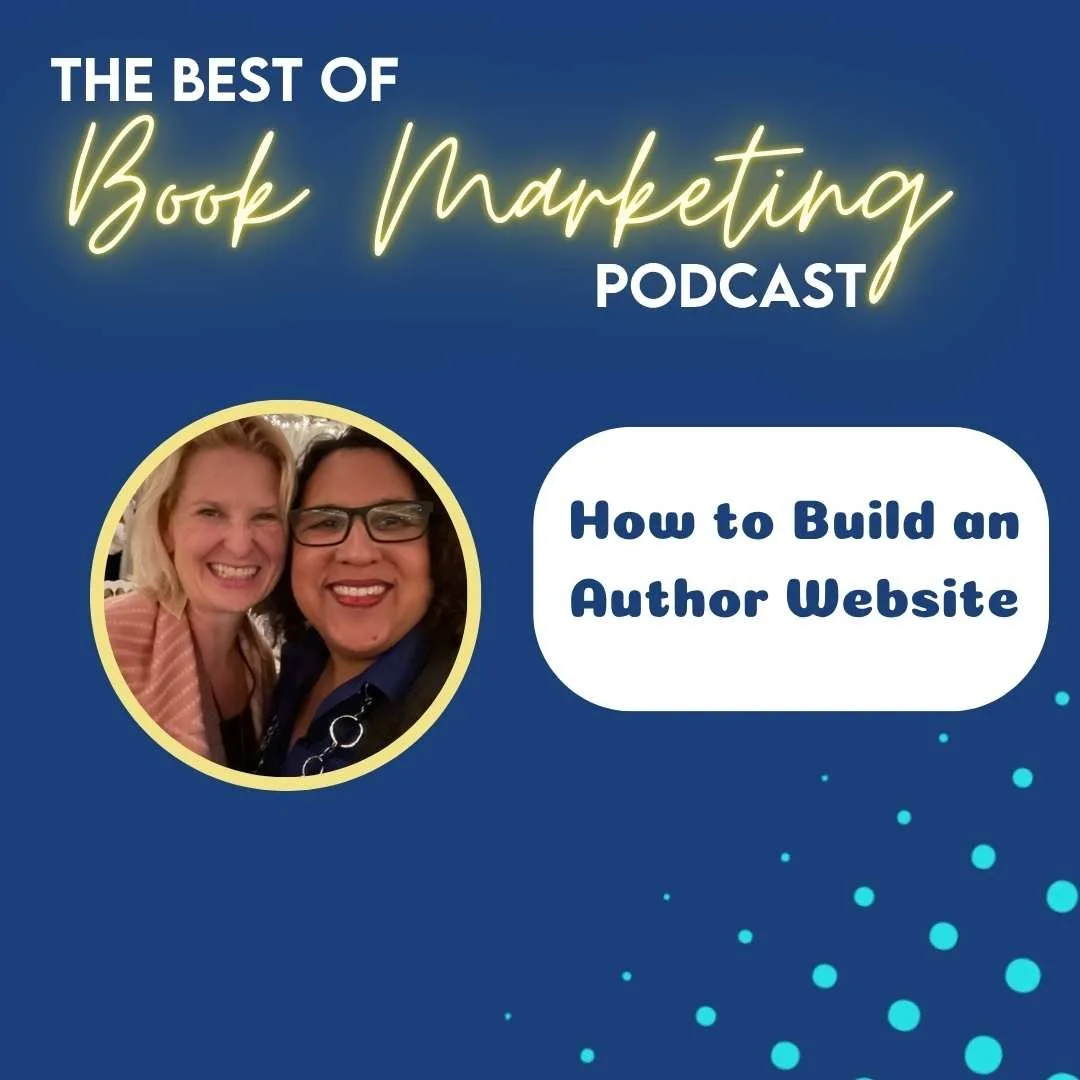


Watch now on YouTube!
Coming April 3rd on Apple Podcasts, and Spotify
Your author website is your front door to your readers. But what's the best way to build it, manage it and make sure your author website is an asset and not a burden?
On this episode of The Best of Book Marketing Podcast, we'll cover author websites from A to Z, leaving viewers ready to tackle this important business asset with confidence.
Books Mentioned
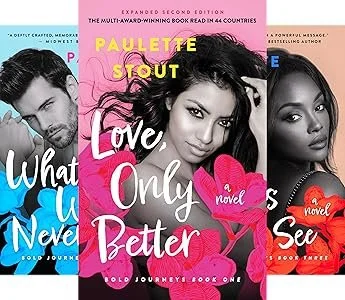
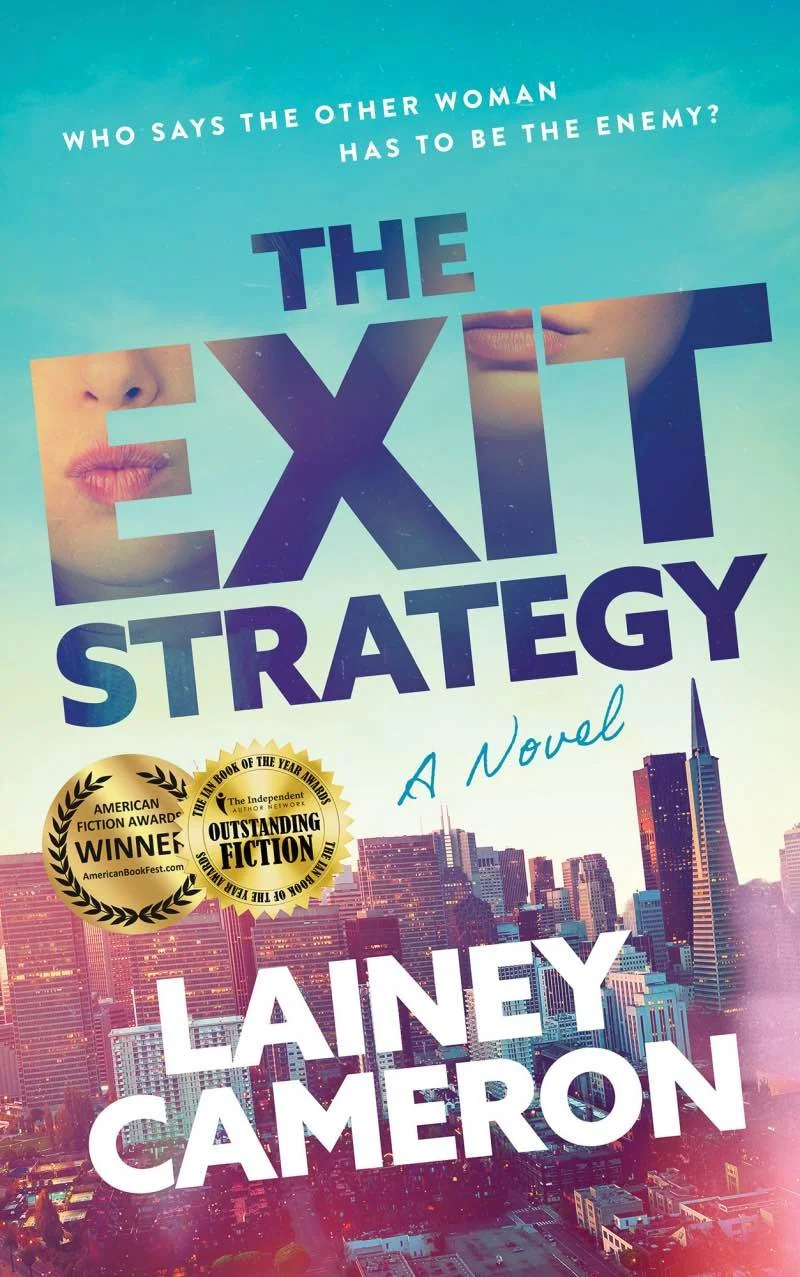
Full Disclosure: We are part of the Amazon affiliate program, which means Lainey earns a tiny commission (maybe enough for a coffee) if you buy something after clicking through from a link on this website.
Episode Sponsor
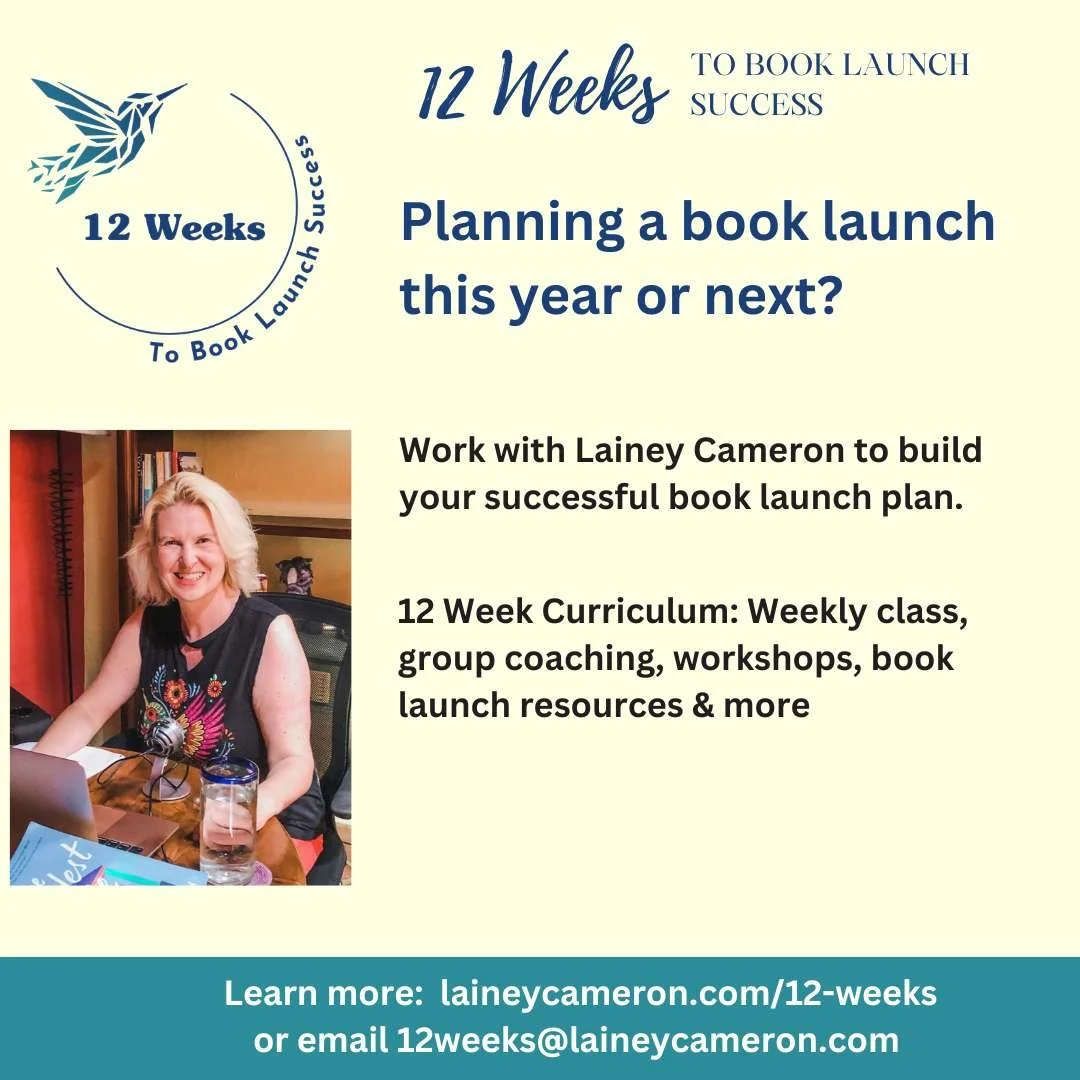
12 Weeks to Book Launch Success -Join Lainey’s program to help you successfully launch your book. Next group starts week of March 1st 2026!
In the 12 Weeks to Book Launch Success mastermind program, Lainey works one on one with a group of authors and help you create a plan to successfully launch your book.
Does this Sound Like You?
✓ Excited about your book launch
✓ Overwhelmed by where to start with marketing?
✓ Confused about timing—what needs to happen when?
✓ Unsure which tactics are worth your precious time and money?
✓ Terrified you'll miss something critical and blow your chance at launch success?
You're not alone. Many authors get terrible advice, and waste thousands on ineffective tactics.
What If You Could Launch With Confidence?
Imagine how it would feel to…
✓ Know with certainty you've built the best possible launch plan for YOUR book
✓ Avoid wasting money on shiny tactics that don't sell books
✓ Have a proven framework covering awareness, credibility, and reasons to buy
✓ Build your plan alongside other smart, supportive authors
✓ Launch successfully without depending solely on social media
✓ Start your author career with momentum and confidence
This isn't just possible—it's exactly what I’m proud to see my students achieve.
Building a successful book launch is possible as a new author—even without a massive social media following.
Program info
Scholarship Opportunity (for writers from any group traditionally under-represented in publishing)
Join the wait list for next time!
Note: next sections are mostly created by AI for your convenience - so please forgive any typos or inaccuracies!
Summary
Paulette Stout and Lainey Cameron discuss the importance of author websites, emphasizing their role as a central hub for author branding and reader engagement. They highlight key elements such as the homepage, about page, books page, contact page, and media and press page. They stress the importance of SEO, consistent branding, and mobile responsiveness. Mistakes to avoid include lack of brand clarity, not including metadata, and using book names for domain names.
They also recommend using platforms like Squarespace or Wix for ease of use and maintaining control over website details. Paulette Stout and Lainey Cameron discuss the importance of authors having a website, even before publication, to gather email addresses for a newsletter, which they consider the most crucial tactic for authors.
They emphasize that a website doesn't need to be complex; a simple one-page site is sufficient. Paulette advises authors to treat their website as a living resource, updating it regularly and leveraging it for reader events and back matter in books.
Transcript
Paulette Stout 0:04
Hello and welcome to the Best of Book Marketing podcast. I'm Paulette stout, and we are here with Lainey Cameron, and we're here today to talk about author websites. They are so important. They're your front page or door way to the world, to your readers, and there's so much to know about them, it causes a lot of confusion in the on the author community. So we thought it'd be a great episode to just have the two of us sharing our of us knowledge about author websites.
Lainey Cameron 0:33
Yeah, I'm excited. And I also heard like I actually went out to my right our writer support group that I go to on that I host on Thursday nights and ask them. And they had some good questions around branding and pages and different things. And then I saw some questions around like, when do I need one, which is a really good question, like an author website. So let's make sure we address those. And also, I'm going to talk about the biggest mistakes I see authors make when they're doing their author websites, little things that drive me absolutely crazy, that you don't need to do so shall we kick off with just a quick personal update?
Paulette Stout 1:04
Do you want? Do you want to go first? Yeah, sure. I think the big nugget for me over the last few months has been my health. Like I've had some significant health challenges around pain, and I've never, I never had anything like this. I know you've dealt with this before in your life. Lainey was new for me having sciatic pain, and it was pretty severe, and it just made it hard to do anything. So that really impacted my ability to be creative and even to sit in the chair like I couldn't even sit in a chair without being in tremendous pain. So I'm laying on the floor, which is in a good position from which to write.
Lainey Cameron 1:43
I on about it was really insightful to me a few years ago where someone explained to me, and it's funny, because I have a chronic condition, so you think I would understand this, someone explained to me that the whole right everyday thing is actually really ableist right, and that's the case for me that I've never written every day, because I have days where I just am out of control and my health is flaring. And I don't, you know, like, I couldn't sit at a desk, to your point, even if I wanted to, if I made myself do it, I'd make myself sicker. And I do think that's really interesting, that we give this advice to writers, like, write every day, like it's universal, and everybody should write every day, but like, it's not universal. And for some people, and especially anyone dealing with pain, right, every day isn't actually a helpful thing to tell them, right? So, so I think that's not interesting observation.
Paulette Stout 2:24
Yeah, no, I love that. And thank you for mentioning that, Lainey, because I think there's so much in the author space where everyone feels like they have to do the thing, and you don't. You know, this is a creative pursuit, and you can pursue it on your own terms, you know, even in your book life. So thanks for adding that. So yeah. So that made me have to cancel my trip to Las Vegas where I was going to do a really big romance show, super sucky, and I am right now just, you know, sometimes you just your body doesn't want to comply, and that's just how it is. So I also in the deep agony of outlining, I tried panting, failed miserably. And now I'm like, you know, I rewrote the same part three times. And I'm like, You know what? I need an outline. I've always written with an outline. So I'm going back and and trying to do that, and I'm finding it. I was realizing in the shower this morning, this is the first time that I'm doing a completely new book in a completely new universe in like 20 years. So I'm trying to be kind to myself a little bit with some of these struggles I'm having, and hopefully I'll get through it this weekend. Super excited last night, I got the audio sample for my narrator. I am doing a second edition of my audio book as well.
Paulette Stout 3:35
Last year, I issued the second edition of my first novel leveling better, and it just felt wrong to have the print and audio editions have different stories so and they are dramatically different stories. It's like first person to third person, different things happening, new first chapter, like there are some really significant differences between the two editions. So I am redoing the audiobook. I know some people don't even do one because they're so expensive. I just felt like, let me my book, one of my series. It's my gateway to the world. Want to do the audio over so I'm working on that just really quickly. I've got two events coming up in April. April 11, I'll be speaking at Liberty state fiction writers. I do believe they are still accepting registrations for attendees. So if you want to do that, there's also an author fair, kind of connected to that book fair, and then I'll be at Book con in New York City, April 18 and 19th. So hoping my health holds up. It's the largest show ever attended. So I'm really excited. My daughter's coming with me, like a four day taking over work, type of situation to travel. But there's a lot of fun stuff coming up. I'm just hoping my health, my health holds up how what's going on in your world?
Lainey Cameron 4:43
Lainey, yeah, some of the things are very similar to what's going on with you. So also been dealing with health issues. Interestingly, not mine. For once, my hubby got really sick and was in the hospital, and so didn't do any writing that week. That's a really good example of like, life more important than writing. Right, like that week, more, more important things are happening, and so I'm really glad he's back. He's on the road to recovery, but just a couple of days, or the day after he got home, really close to when he got home, we had a container of medication on the countertop, and our dang dog found the container when we were out of the house 80s, way through it, and took 100 steroid pills. So we were also dealing with a sick dog, trying to make sure the dog was going to make it through the other end. And so we had a period there of a week of like a sick dog and a sick husband and trying to juggle it all. And it was kind of interesting. But luckily, fingers crossed touch wood. It seems like they're both on the road to recovery, or at least to stability. So that was kind of crazy.
Lainey Cameron 5:38
And yeah, writing went at the window for a couple of weeks there, but I'm actually back at it this week, and I am within three scenes of the end of the revision, which is, I hope, my final major revision. This is five years into writing the second book, and I am incorporating feedback from seven BETA readers, so I'm really confident that the book works. Thank you for reading it. Paulette, giving me such great feedback. And so, yeah, I'm I'm kind of combining two chapters at the end and doing minor revisions on one other chapter, and then I'm done with this, and then I'll be kind of thinking through next steps for it. So that's all very exciting. I have to work out the right kind of editor, like, do I need a line editor, a copy editor, a proof reader? I was getting some help yesterday, some from some friends on that, because I'm kind of like, not quite sure. And then I am teaching my class right now, 12 weeks to book lunch success, where I teach authors how to market their books. Having a blast. Last week was catch up week, which someone very smarter than, smarter than me, who designs classes had talked about this idea of build in catch up weeks, so that your class doesn't start to feel overwhelmed, right, with the homework, etc, that you're giving give them some breathing room. And it's really great because it gives me a lot of time to give them feedback on their homework. So we're working on Amazon categories for lots of people in the class while we were kind of not doing a formal class week.
Lainey Cameron 6:58
And then I'm looking forward to going to Alexandria at the end of April, where I will be at the Women's Fiction Writers Association retreat in Alexandria. And so I'm super, super psyched about that. I'm going to be talking about marketing on a panel. I'm going to be at the book fair in the hotel, which is open to the public. Anyone can go to this book fair. It's going to be really cool. And I'm looking forward to a vacation after that. I'm actually heading to Costa Rica for the first time ever. And same thing, fingers crossed, the health, etc, of me and all family members will hold together enough for us to do that trip. We have reached the point we have enough. What's the correct term? I'm going to say elderly, but I don't really mean it. We have enough family members who are reaching the age where they start to have more health issues that everything is now booked refundable, like every trip we make now, we are the number one thing we look at before, is it a nice hotel? Is what is the refund policy? So everything is like a flight surveys everything.
Paulette Stout 7:56
Yeah, so smart, because I actually booked my my Las Vegas trip, not in the room block, because it wasn't refundable. So I did my own trip, and I'm really glad I did, because it was 100% refundable because, you
Lainey Cameron 8:11
know, so you got very smart and and you learn little trips like air miles trips, generally, you can get the air miles back right up to very close versus, yes, if you buy a flight refundable, is very expensive to buy the refundable version. And why wouldn't you just buy travel insurance? I have had such a hard time with travel insurance, where they've refused my claims too many times.
Paulette Stout 8:28
100% I've never been able to successfully put in a travel insurance claim. So I never, ever, never buy it every time, you know, I got the fine print pandemics were on there, lost that during the big thing, I'm not going to say name, which now should not be said, for sure, I wanted to add one thing to your schedule, Lainey, which is, I'm so excited. I love, love, loves reading lainey's first book, The exit strategy. And Lainey and I convinced her to come to my book group, to be a guest in my book group to read her book, and I'm really excited. My girlfriend sent me a picture of the book that she already bought it, and I'm going to buy a print version this time, so I have the new, beautiful cover. So if you haven't, if you're not familiar with lainey's work, you enjoy the podcast, but you haven't ever read her story, I really recommend the exit strategy. Is a fantastic story. It's very unlike other books that you'll see out in the market, and you'll come away remembering it. So can't recommend it more highly.
Lainey Cameron 9:25
Thank you. I'm so excited. I've got a book club, actually, friends, a lot of friends, who are getting together and reading it here in San Miguel as well. So that's going to be fun. I'm going to have a book club in the same month, I think, in Mexico and online. So yeah, that's fun. Okay, websites, enough about us. Let's get into websites. All right. Paulette, why don't you take us from here? What are we going to do first?
Paulette Stout 9:48
I think our first topic is, what is the goal of an author website? You know, it's, you know, it's your for me, it's like your central home base. Describe, put. Is to describe your book, talk about yourself, give everybody a place to engage with you. You own the space. No platform can de platform you and take it away. So it's a great thing. It can also be connected to, you know, your email list and other things in your newsletter, and you have it connected to different places so that you can better engage with your reader community. It's just so, so important. I know you that you have lots of thoughts on this too.
Lainey Cameron 10:24
Lainey, yeah, yeah. So let's go to the when do I need one? Do I need one early on? So I just saw a question from someone yesterday asking, like, I'm querying doing I'm not published, right the way they said it is, I'm not published yet. Do I need a website? And Lainey, answer is, yes, categorically, you do. If you were querying, you need a website, because it is very likely that if an agent gets interested in your work, they are want to go, they are going to want to go look for more information about you. And if you don't have a website, they're going to go off of whatever they can find, which is probably a bunch of random Facebook posts that someone accidentally made public. And so like you want the website because it is your single source of truth. It is your brand. It is how you want to be seen by the world. Now, once you're published, this becomes even more of an issue, because people can write whatever they like about you, right? You don't want when someone searches for you, that the first thing that comes up is a random review from someone who should never have read your book to start with, and that's the impression they make of you. So not only should you have a website, but it should be the top, first or the second result that comes up.
Lainey Cameron 11:23
This is all about SEO. We'll talk more about that later. But when someone searches your what your name, Lainey Cameron, author, your website, better be either the first or the second position thing that comes up. I'm giving you second because if you have a really big publisher, maybe they've got a really big web presence, and it's not going to be possible to come up before that, but or maybe you were in Reese's book club. Okay? Reese weather spould, Like to come up before you on the list. But beyond that, you really better be there in the top results. Got a problem to have, right? But I actually think you ought to have a website really early. Like, like, it can be a super cheap we're going to talk about different options later, like card, card C, A, R, R D, where it can just be free, but as long as they have advertising, it can be a free website, but it should be your take on who you are and what you want to tell the world about who you are and what you do. And I believe the reason you need that is you need it as your single source of truth, because otherwise you're relying on other people. And yeah, you might have a, let's say, an Instagram presence, but you don't own that, right? And you could have that taken down at any second in time. It's happened to many author friends of mine. You don't own over the algorithm shows you, historically, it's getting better, but historically, Instagram hasn't come up well in search results. So a social media presence may or may not even show up when someone uses a search engine to find you.
Lainey Cameron 12:43
And I agree also with what Paulette said, which is, it's a great way to build your newsletter, right? That's one of the key things you're going to be doing on your website, is building your newsletter list, and it can be, ultimately a good way to sell your books direct. That's a whole different topic, but those are all good reasons. But for me, the number one reason to have a website doesn't have to be big, expensive or fancy, but it should be what you want to tell the world about who you are right now.
Paulette Stout 13:07
Yeah, it's just it's so incredibly important, and we'll go through all kinds of ways to do it really simply and to do it more with more robust things, but this is your space to talk about yourself and to define who you are and how you want to show up to the world outside of how other people or algorithms are defining you, reviewers, whatever. And if you don't, if you're just starting out, and there isn't a lot of media out there about you, this is going to be really the only place you get to talk about yourself on your terms. So super, super important for that
Lainey Cameron 13:42
Let's just go there, because I mentioned that a second ago. Ads play. Is it worth doing a free website if it has to have ads on it? No, that's gonna be a hell no from both of us. No, your website is what you want to portray to the world. Part of what it shows, for example, an agent, if you're querying, is that you are a professional. If your website has free ads for you don't even know what, because you don't control what those ads are, you are not a professional. You do not look like a professional. You look like somebody who doesn't know what they're doing. So yeah.
Paulette Stout 14:13
And I think for sure, and we'll talk about SEO a little bit later, too, I don't know what the algorithmic consequences are for embedding ads on your website. It could very well damage your authority and legitimacy rankings with Google and other source engines because they they're picking up the bot, you know, action, you know, of serving the ads, and it could very well, you know, damage your your authority. So we'll get into that a little bit later, but there really is no reason to do it.
Lainey Cameron 14:44
And you you didn't deliberately do it. Okay? So the reason that authors end up with website with ads on their website is they sign up for a free website, maybe a WordPress free website, and it just comes with ads that are part of the template that WordPress serves up. You didn't even mean to do it, but if your website has ads. On the side of the page, it's time to change No, no no.
Paulette Stout 15:03
What if yo go into your interface and delete the ad widget?
Lainey Cameron 15:08
Not if you're on a site where it's okay, where it's some free sites, it's part of why they offer it for free is they get to serve up ads on Yeah, please, please, please. No no no, no, no. Just so domain names. Do I need my domain name? When should I get my domain name?
Paulette Stout 15:25
I would it's I'm all about domains. They're so cheap to buy. For the most part, I often buy domain names really early. And I when I was just starting out, I thought, of course, my domain name should be the name of the book. So you the one of the early mistakes people make with websites is that they buy a domain name that's for a book. And what do you do with the next book? You're gonna have different websites for different books, and if people are searching for you but they don't know the name of your book, you're not going to show up. So please, please do not buy domain names in for your work. Your work will grow over time, hopefully, and that's just not a way to help people find you. The whole purpose of a website is to be found. So making, like, weird names, cutesy author, 123, whatever, like just is, if you're able to just use your name, like my website is paula.com Like, just go try to buy your own name. As you think you're going to need a website, I would just buy the domain. You don't even have to put the website up right away, but at least you just secure the website, the web domain to make sure no one matches it up from you.
Lainey Cameron 16:30
It's gonna cost you like, 20 bucks or something, right? It's so cheap to get a domain name. So as soon as you decide you're going to write, like, even if you're writing essays and you're not thinking you want to be an author, or you don't want to call yourself that, yet go by the domain name, you're going to pay 10 or 20 bucks a year to hang on to it until you're ready to have a website. And if you can't get your name to palettes point, if you're you know my good friend, Maggie Smith, right? Maggie Smith is also another author, very famous author, and so I think she went with Maggie Smith writes. And so, yes, you know exactly. You know author rights. Yeah, books is another good one, but, yeah, go grab it. Hang on to it. I have another tip about that, which is just a Lainey personal preference. So I use a GoDaddy for my domain name. There's other places.
Lainey Cameron 17:16
But what that means is my domain name is still sitting at GoDaddy, and I tell GoDaddy, it's a tiny bit technical, so you might get a little bit of help with this piece. But I tell GoDaddy where the email service is and where the website is. The website's over at Squarespace. The email service right now is mail or light, but my core domain is still sitting at GoDaddy. What that means is, one day I want to change email services, I just or website services. I just redirect it from GoDaddy. I say, Okay, I'm not at Squarespace anymore. Now it's over here, and it moves over and it when you go to my website, instead of bringing up the site that happens to be hosted by Squarespace, it'll bring the site that happens to be posted somewhere else. I prefer it personally that way, because I like to feel like I have control, not the vendors. I don't personally like the idea. When you get a website with Squarespace, you buy your domain through Squarespace, and now if you want to go to another website vendor, you got to get your domain away from that vendor. It's normally possible some vendors are nasty, and like Squarespace, is not one of those, but some vendors are nasty, and it's a pain in the ass to get your domain name back if you got it through your website host. So just something to consider, I personally prefer to keep my domain name separate and control where it points to, where the different things, the website, the email, etc, are located.
Paulette Stout 18:27
Yeah, so, and that's, it's an excellent point. I do. I recommend that, as well as the best practice I I've had websites for so long, you know, I just did it through my domain host, but I did just switch from one host to another, and they have the domain name. So I had to switch the domain over to a new person, you know, so that that switched over when I moved from what was site builder, now Network Solutions, because they were acquired, over to, I think I have Wix now, you know, I had to switch the domain name. So it's a little more complicated. If you have it separate. It's easier. It's not, you know, if you have it with a web host, that's fine, but you just need to go through those steps to move everything when you need to. And it's a little more complicated, and some people let you do it more easily than others.
Lainey Cameron 19:10
Yeah, yeah. So that's just a personal preference thing. What's top pages? What pages should we have on our website? Pauletts?
Paulette Stout 19:19
I feel like there's some, you know, and this is just so you know, there are some templates for websites that are single pages that scroll. That's an easy way to construct them. I don't know if the SEO is as effective as having different pages. You know, I'd have to kind of research that a little bit for you. From an SEO perspective, I think it's good to have separate pages are really easy to build, but, you know, it could either way worse.
Lainey Cameron 19:43
Let's, let's pause for a second, SEO, search engine optimization. Let's talk about what it is because we keep using the term and probably, oh, sorry, no, but it's so essential, it's so important, so we should give it a little time. So SEO, I mean, search engine optimization, it's the ability for a search engine, let's say Google. Tool to pull up your page and display your information. It's the idea that, when you do a search, what comes up in what order in the search engine, we're going to get more into SEO in the second half. But just as we use the term, I want to make sure people know what we're talking about, right?
Paulette Stout 20:13
And the whole point, like you said, a point of a website is to be found, and there are these little tricks and rules that are you know you're supposed to follow to help Google find you. And so what we're talking about things that optimize that word, optimize SEO. That means it enhances it makes it better. So it makes your website easier to find. It helps you rank higher in the search results, because typically people don't look beyond the first tent the first page, which is 10 items, usually with ads kind of stuffed in. And these days, people aren't really much going above the first one or two because there's all these little summary LLMs at the top of the page. So search is really changing, but the things we're talking about today are to try to help your website be found. So for me, homepage for sure, that's a given. You have to have a homepage. That's the front page. It's the front door of your of website and about you. This is where you get to define yourself. You get to talk about your author journey, what you've done, what you've accomplished in and outside of your author career. Focusing on what you think is is helpful for you in your author life. And you want to say something about that before I go on, yeah, yeah.
Lainey Cameron 21:26
I just read a really interesting thing on the about page that I had not heard before. But as I thought about it, it made sense, which is to write your about page in first person, I not she. And I actually had to stop and think about this, and then I had to go look at how I did mine, because I didn't remember whether I had done it as an you know, I write blah, blah, blah, blah, or she writes and I actually, I do. I did write it in first person, and then below I have the bios in third person if someone needs to copy paste them for an event or whatever.
Lainey Cameron 21:54
But it's a really interesting point that these days rewind 10 years ago, we were used to websites that looked really professional that said she does this. They're all written in third person. It kind of looks like someone else, other than the author. Created it these days with social media, with the ability to interact directly. I believe readers actually want to get that more personal feel of hearing directly from the author. And so as I thought about this point, I was like, I actually agree with that. I think these days, if you want to be personable and approachable, writing your bio page or your web page in first person can make a lot of sense,
Paulette Stout 22:29
So this be our first place of disagreement. I highly recommend doing it in third person. I think it's more SEO friendly. I think that the algorithms when you say she does this, and they're searching for information about you that isn't necessarily going to help the algorithm find you. So if you say Paulette author is the author of blah, blah, blah, and they're looking for answer a search of who Paulette Stout is, I believe using your name in the in the bio will make it more findable for algorithms. So it's definitely that balance, and it's a personal choice always, but like you're writing for humans, and you're also writing for the algorithms because you want to be found, I can tell how readily my bios are used because the text shows up verbatim in my LLM searches. So, and that's a really rich piece about you, about Lainey Cameron, whatever, so you can write it however you want. I think for SEO, it might show up, but be more beneficial writing.
Lainey Cameron 23:31
I guess technically I have both because if you go to the I had to go check this. I just Googled my own name to see like what comes up, and it does bring up my page on my website, even though it's written in first person, but probably because there's not a lot of other about pages about me, right, right? But I have the third person under the first person and the LLM, which is large language model. We're talking AI Artificial Intelligence that actually picks up the third person version and uses it, which is on the same page further down, it's not enough to be able to see the difference.
Paulette Stout 24:05
So if you're going to do first person, you might want to do an LLM search friendly version and have both on the same page, like I think that would help you.
Lainey Cameron 24:14
Yeah, but I just want you know I think there's this direct relationship with our readers, and most people who end up on my website, it's either that I'm interacting with them at an event or the reader who's looking me up for some reason. And so I want to be more personable personally. I don't want to be kind of like this up in the stars author. I'm me right, like, and I want to come across that way.
Paulette Stout 24:36
Yep yep, no. Again. It's all about your brand, you know. And if that fits your brand, absolutely go. What works.
Lainey Cameron 24:43
Okay, what else do we need?
Paulette Stout 24:44
All right, other, I'm sorry, other pages, yes, so books. Write about your books. And if you don't have books yet, write about your author. You know, what's your goal as an author? What are what are the stories you want to tell? I want to tell stories. About empowered women and the and the animals that they love. Because you like to write about horses or whatever you know, write about what your vision and your purpose as an author is on the page. If you haven't published yet, and if you do, I would in books. I would have some people do separate pages per books. I do all my books on one page, because then I can just do Paulette South forward, slash books. And then it, you know, it goes to one place. And I have all my I have all my books on one page.
Paulette Stout 25:26
And on that page I also have a brief by a brief description of the book. I have buy links to there. You also can buy by books direct. So I have embedded a link from Ingram Spark, the publisher, and you can buy books direct from me. And I also have retailer links. And I also put my awards on that page. So I have a lot on on that one page. Maybe it's overloaded. Maybe I should pull the awards and put awards on a separate page, but I have a lot of pages on my website already. So that was a choice that I personally made to kind of put it all together. How do you handle that stuff? Lainey, on the book,
Lainey Cameron 25:58
you just had me thinking that I I'm obviously an optimist, because I'm pretty sure my books page is called books s but it only has one book on it, and I was obviously thinking ahead that it would become the page with all my you knew.
Paulette Stout 26:11
You knew you'd have more. You knew you'd have more.
Lainey Cameron 26:12
So I agree. I personally like when I go to an author's site and I get an overview of their work. So I may not know that they also write sci fi, and I'm checking out this woman's fiction book, or that they have written an entire series of romance and that's not how I found them. I found them on a different I found them on a piece of non fiction. So I personally like to get an overview of the the world of that author or writer's work. And yeah, you don't have to have books. Just have a page about your writing that's absolutely fine, or what you aspire to write one day, whatever. Like, like, Right? Talk about what gives you what you're passionate about. So yeah, completely agree. And all of my exit strategy stuff points towards the Books page, but one day, those links will point towards the page that has all of my books on it. So I think that's fine, right?
Paulette Stout 26:55
And if you don't have a Books page, you could also have, you can also use the name, like what I write, or something that's, you know, kind of anchoring on what the content of the page is going to be. Contact page, this is a way for people to get in touch with you. And you can have a form. You can have an email. I usually I have a form. I have my email there, and I also have, you know, links to social media. So that's just kind of like a way for people to engage with you.
Lainey Cameron 27:20
And interestingly, these days, I think that becomes more important because there's so much spam and so much scam, so many scams out there. And like my email is on my page, in part because I want someone to email me directly and say, you know, this person is telling me blah, blah, blah. They're saying they're you. Are they you? And I've had this happen twice now when I respond to someone and say, No, they're not me. Like this, this person in Nigeria is running a scam, and you are being potentially taken in with so especially in this world of scams, I actually prefer to Oh, two comments on this. I prefer to put my emails so people can email me, because I'd rather they email me and I'm able to answer them that it's not me.
Lainey Cameron 27:56
If someone who is pretending, and this is happening a lot, there are no people are pretending to be all kinds of authors at this point and reaching out to other authors with a Gmail address that anyone can go register a Gmail address. Lainey Cameron, 125, four@gmail.com, but the other thing that came up in a conversation I was having the other day, I think it was with the writer support group, was in this day of scams, if I get reached out to by somebody and they don't have a website, I assume they are a scam. Like that is my first assumption. I go no farther. If I google them and their website does not come up, and they do not have a website, this person, as far as I'm concerned, is a scam. And I have I'm moving on 10 seconds later, right?
Paulette Stout 28:38
So other things that and this can be sprinkled. I have this on every page of my website. Is a way to join my newsletter list. So that's a whole nother topic, but I have links on every page of my website, and you know, it's the it's the footer of my website, frankly, and then I have other links in other places. So that's something that you can sprinkle around as it only needs to be in one place. But you know, if you choose, you can put that in one place as well. I think this was yours privacy policy. So tell me about what you were thinking.
Lainey Cameron 29:04
Yeah, legally in most countries in the world, if you're going to have a website that is present there, you need a privacy policy on your website. So it is just a little link at the bottom of the homepage, and it links to a generic privacy policy that you can grab off the internet and put your name. And some people would disagree with me and say, you have to go get a lawyer to write this for this for you based on your unique individual situation. Feel free. I just grabbed a very famous author and changed all the names. So for what it's worth,
Paulette Stout 29:31
And I don't even have one, okay,
Lainey Cameron 29:32
Yeah, with the email regulations etc in Europe, and actually some privacy regulations in Europe, if you're using any kind of cookies on your website at all, you have to have a cookie warning pop up, and you also have to have a privacy policy. So it's one of those, like, it's easy, why not do it? You don't have to make it big. You just put a tiny link at the bottom. But people should be able to find your privacy policy by law in many countries. Cool.
Paulette Stout 29:55
Well, that's good to know. Maybe you have to go do that another page.
Lainey Cameron 30:00
Yeah, there's some more pages you might want to have. What else do you have Paulette, beyond like...
Paulette Stout 30:04
now I have a media and press page, and I started this really early on, like, when I was going on a book tour. I put all the the links to the people who were on my book tour and links to the reviews of my book. You know what? I didn't really have very much. And now I've got, you know, ongoing carousel of where I appeared, links to the appearances, links to the articles I, you know, usually cover any media hit, if I'm on a podcast, if I'm on, you know, a radio show, if I'm on, you know, there's an article I've written, if I'm a guest blogger somewhere, I put it on my media and press just so people can see where I've been. They can see how I present myself. I think as you get out there, if people are thinking of having you on their podcast, they want to see if you've done others. They want to see how you speak and present yourself, if you're energetic, if you're clear and concise. So it's nice way to validate that you're a good guest to be considered. Also, if you're applying for articles. You know they can see that you're someone who's kind of in this space and working and will give them a good product if you if they choose the kind
Lainey Cameron 31:09
,And a press kit can be really helpful, right? So that press kit includes, like, high res images of you, high res book, high resolution book cover, your bio, your short and long bio, your book description again, it's because you want to be the one source of truth. If someone is doing an interview or writing about me, I would rather they go grab it off my press kit than Google bio Lainey Cameron and grab whatever random one from three years ago that's been updated, right? So just make it so easy for the press that there's a press kit right there. They can grab everything they need off your website. They don't need to go get it off someone else's right?
Paulette Stout 31:44
So for me, I initially had a Prescott page, and then I did end up taking that down, and I just wanted to have a little more control over my likeness and how it was being used. I mean, I'm all over the place, so people can grab whatever they want, but, but again, any page in a website we're talking about is a choice, and whether that works for you. So, right? Other thing, okay, so other author businesses, you know, if you're doing things for outside of your writing space, if you're a coach, if you offer services, you know you can have a page that talks about those services you order. I know we both have that on our website.
Lainey Cameron 32:18
Yeah, I like how Camille pagan has done it. So Camille pagan does author She corrected me once on how she describes it. You're just gonna have to forgive me. Author life coaching. She does author coaching, but really coming from the motivational perspective as well. Not just what do I do, but how do I make the right decisions? How do I how do I approach it? And I'm describing it terribly sorry, Camille, but I like what Camille has done, which is on her website, there is a section that is called either coaching or work with me on her author website, but then when you click on that, she's got a whole separate website for her coaching business. And so that goes way more into detail than any of her you know, millions of readers would want to know, but so many people intersect her as an author, and that's how they realize she's also a coach for authors. And so you don't want to make them so separate that they're two separate websites, and you don't even have a tab on your core website as an author about your other business, right?
Paulette Stout 33:10
Yeah, so I have a second website just for my, my my own business. Um, I don't really use it a ton right now, but I've done a lot of marketing consulting in the past, so I do have a tab going from my business website to my author website. I don't have it going the other way, but that's intentional for me. So cool. Other pages, shopping page. So yes, if you can sell direct off of your website lots of different ways, you can have a Shopify store. You can, you know, bootstrap it, like I'm doing, just putting out a buy link that goes to somewhere that's selling your books, that you get, you know, you get a commission on or so, for royalty on so.
Lainey Cameron 33:49
And I don't, I don't have that right now. Part of it is, do you have enough traffic to your website to make it worth it, right? And you're gonna be able to drive enough readers to your website to make it worth it? This is one of those areas where I see authors get into it too early. They're so like, focused on setting up and everything. And it's like, focus on building your author brand and getting your sales and other platforms first, is my advice. Like, it just is a little bit of work. But like, yeah, the right moment. I'm probably getting there with having two books where it's probably the right moment for me to have direct sales as well. Till now, it hasn't seemed worth it for me.
Paulette Stout 34:18
Right, and it's like, for and then there's really easy way. So for me, you go, if you distribute through Ingram Spark, you can get in bed codes, and it basically just takes the person right to Ingram Spark to buy the book. The book is processed and shipped and fulfilled through Ingram Spark. That costs me nothing. So I threw the page up. If I sell a book, I'm happy. If not, then I haven't lost anything. So but yes, setting up a Shopify store is an advanced author strategy for people with audiences that are seeking them out. You know, if you don't have that, it's a little bit maybe be too early in your career to bother with that, because there is an expense with that. You have to pay for Shopify. And there's other things, there's taxes, there's it gets a little complicated, so I know they handle a lot. The taxes, but you still have to, like, have an accountant do your taxes and use the information from Shopify. So it's a whole nother level of things they I think they handle vats and things like that. But once you start getting into the E commerce area, it's a lot more complex. So you might want to hold off on that until you feel like you're really ready for it.
Lainey Cameron 35:17
And then last one I see here that we had noted is kind of reader materials, like, I have a whole section on my site called for readers, and that's where I have, like, behind the book book club materials and kit Good Book Club questions, this kind of thing. So that's another thing that is frequent. Don't have to do it. But I find that has actually been an interesting kind of part of my site that I have really enjoyed having.
Paulette Stout 35:40
Yes, and that's, I link that page in the back of all of my books. It's the free reads I call it the free reads page. And I have sample chapters. I have short story, what we call reader magnets. You know, short things are related to your books that you give away for free. I have in the past on audiobook chapter samples. You know, when they when book funnel had that for free, they've now made that a paid service. And I haven't, you know, signed up for that, because I don't know that it's worth the money for me right now, but it might be for you. But, yeah, anything you want to give away for free helps readers sample your work without paying. It's like getting a free goodie in the supermarket before you buy a food. So, you know, part of the whole marketing angle is that you will need to give away things for free to get your readers engaged, because there's a risk reward situation, and it gives them a low risk way to enter your work.
Lainey Cameron 36:35
And also it can be a way to get your email get the email address so that you get people who have read your work onto your newsletter. So a reader magnet can also be at the end of your book. It can be something that you promise that they didn't get in the book that they get as it might be, you know, something from the next book. It might be, I just had one that I'm very excited about from yesterday. So web BETA readers all gave me feedback that I ended the book a chapter too late. Basically, I should have ended it after the second to last chapter, and the last one was not needed. And so I realized that's going to be a brilliant reader magnet at the end of the book to say, want to hear what happens to this character one year later. Go get it here and so, and it'll be a purely Happy, happy chapter about the stuff you don't get to hear that happened, like a year onward after the book ended. It doesn't need to be in the book. It doesn't belong there, but people who just read the book are probably going to be very interested to know what happened a year later. So that's going to be a really good magnet for me at the end of the book, exactly.
Paulette Stout 37:31
And I'm just got a question from Beth in the comment, do you use book funnel for the free content on your website? The answer to that is yes, I do use book funnel because when you have things, people need a way to download it, to read it, to enjoy it. I do use book funnel to deliver those free things, and I also they're the same place that I use when I run ads, like I've run Facebook ads to my free reader magnet, and when they land on that page, they have to sign up for the newsletter to get the free thing. So that's a prime way to build your newsletter list, but for someone who's, like, interested in your work, and then I usually tag that in my database so I know, like, where they came in and what they've read, to kind of keep track over time. Oh my God, we are 40 minutes. We may have to do a part two, like, I don't know if we're gonna get through all of these topics.
Lainey Cameron 38:20
We are not.
Paulette Stout 38:20
We're gonna have
Lainey Cameron 38:21
We're gonna have to pick and choose here. Okay, so let's talk technology next, and then I want to talk branding. So technology, what are our options? What can we use to do our websites?
Paulette Stout 38:33
I'm, for for most people, not for everyone. I think it's worthwhile going with a website provider that has temp, pre made templates and has, like, an easy interface that won't make it easy for you to change things. You know, WordPress is the one out there. People like, oh, it's free. It's like, yes, it's free, but you're probably going to have to pay for expertise to use it. And a lot of people find the interface confusing. And obviously, WordPress can be set up a host of different ways. And I've seen, I've used WordPress a lot. I've been a lot of back end. So everyone does it differently. It's just a little more complicated. There's a lot of stuff in the interface that you're not really going to ever use. So if that's the case for you, you know, using like Squarespace or Wix, or, you know, a bunch, you know, sub stack. You know, I'm not, you can talk more about substack. I'm not as up on what you're actually buying when you get a substack like website, but one of those
Lainey Cameron 39:30
And even Canva these days is an option too. If you've got premium camera, you can do a free website with Canva.
Paulette Stout 39:35
And I think there's actually website options through MailChimp now too. So there might be platforms you use for other things that you can do, like a simple landing page type website with so that you can save on some costs there and then.
Lainey Cameron 39:53
Jane Friedman had recommended a while back, hopefully she still does, for a one page free website to start out or low cost. Cards, C, A, R, R, d.co, that's just one of those one pagers. But if you want something simple and for easy, right? You're not out yet. You're not published. You don't need to have all these extra reader extras, etc. The one thing I'll say on technology is, I know people don't like them, but pop ups for your newsletter work. You want to have a pop up from your for your newsletter. In my humble opinion. I know a lot of people don't like them, but the difference in results and getting people on your newsletter with a pop up versus not is like 100 plus to one in terms of how many people will sign up for your newsletter. And it's not because they wouldn't if they were asked, but how many people are actually going to go, oh, look, there's a newsletter tab over here. Let me go click on that and see what it says. Like nobody is so you just pop it up and say, Hey, would you like to be on my newsletter?
Lainey Cameron 40:44
And they can click it away if they don't want it. Don't make it the one that takes the whole screen, because especially on mobile, those basically stall out the website. You can't get off it. I've had that happen to me twice in the last few days, where I was trying to look at someone's website and a pop up popped up and I cannot get through on the phone. It's like, I'm stuck forever on that pop up. So, so, yes, I believe in pop ups. Sorry, I think so. Oh, little high horse here, if you hire someone, we've been through this before. If you hire someone, you need to keep hold of the keys to your kingdom. So what do I mean by that? Let's say you hire someone and they set up a WordPress site, and they set it up with their email address, okay? And they do that because every time they need to do a password reset, they want the email to go to them, because they're managing your websites
Lainey Cameron 41:25
Well, one day, that person decides they're running away to a robot and they're never going to do websites again, and they ditch all their clients in the process. Or, God forbid, something happens to their health and they die, okay? And they did not have a plan, right? Like, Oh, what if something happens to me tomorrow morning? What will happen to all my customers? To all my customers who run my email address? The what will happen to all your customers is they will no longer have access to their websites or their domain names or their email or their social media or whatever you are managing for them. So please, please, please, please, please, whether it's a website, whether it's a domain name, whether it's social media, the email for the password reset is yours, not your vendors always 100% of the time. And I have seen so many authors get caught out with this.
Paulette Stout 42:06
It's ridiculous, yes, and I think that, especially in today's day and age, building a website today is not the same as building a website 20 years ago. So you do not need to know code. You do not need to be a web developer to build a website, you could do it in an hour. I highly recommend. I know it's a scary prospect, but if you can open a Zoom meeting and navigate a few of the boxes, you can build a website. So I highly recommend you build it yourself. You maintain control and ownership. You can update it whenever you want. I am constantly updating my I have a new press thing. I have a new event going on. I want to do. I'm doing a book show. I just did a thing with Lynn Ladner and I put a little banner in my home sign up for the thing. You know, having ownership and keeping it a lively, thriving space that gets updated regularly is going to be an asset for your author career. And having that ownership means that you know you might want to consider building it yourself.
Lainey Cameron 43:05
Yeah, and even if you don't build it yourself, make sure you have an easy way to make changes fast, like you want to put a new event on, or you want to change something that is in your bio that you don't want in your bio, or just little things. Make sure you can do that fast. Don't make it so that you have to pay someone else, or have to reach them every single time you want to change a single comma on your website, it's just going to drive you crazy. It's it's not, it's not functional. Even if you hire someone to do it, right? You need a way to make changes. Yes, yes. Okay, so I would love for us to talk about brand, because this is a top question that I get. But like, How does my brand fit with my website and color and palette and all of these things? So can we talk about that for a little bit, and then maybe we can get into kind of, I'd suggest the last two things we don't want to miss, or mistakes we see people make, and maybe some of these LLM SEO things that we promised.
Paulette Stout 43:56
Yes, exactly. So yeah, for me, branding is key. Like, I work in branding. It's my jam. And I think that what people don't understand is, just like a book cover communicate something to the world. Your Author brand communicates something, whether you use a curly font or if you use a big, bold black letters, if you do soft colors and soft focus photography or jarring photography with white and young colors like that is all communicating something about you to the world. It's telling them, it's giving them a little bit of a glimpse of who you are as an author and the kind of stories you write. So, you know, if you're Harlan Cobin and you have, like, daisies all over it in like a big field, you know, he writes thrillers and horror like that's not giving the right vibe. It's just the same thing. So I think it's critically important for you to decide a little bit who you are, it doesn't mean it has to be for forever. I thought I was writing women's fiction, and I did like women's fiction colors or women's section things, and then I'm like, You know what my books are? Really romance. I rebranded my website, so now I do pink, white and black, and those are my colors. So doesn't mean that you have to keep them for forever, but you kind of should put a stake in the ground to give a. A little bit of a visual representation of who you are as an author.
Lainey Cameron 45:03
Yeah, and the thing I teach my class is consistency really matters. So consistency, you're going to pick some colors for your brand, and there's those colors are going to be based on your emotional promise, right? So if you're promising cam, you've got some blues and some ocean colors. You're promising trust, you've got some teal and some different colors of blue. If you're promising emotional journey, you're probably got some purple in there. Like women's fiction, if you're writing romance, there might be some pink in there.
Lainey Cameron 45:28
So like, emotions have colors. Just Google emotion colors, and you'll find a lot of great materials about that. So your brand, the way I see it, is a promise of an emotional experience. It is, what is that emotional experience you were promising the reader? And what you want to do is you want to have some colors that match that, and you want to have consistency and your colors and your fonts everywhere, whether it's your social media, what you can't control 100% the fonts, but you want a consistent look as close to the same as possible your social media, your printed materials, your website everywhere, because the what that does for you is consistency, reads quality. People don't even realize this, but when they see that Paulette has the same color here and there, and on her banner at her booth and in her newsletter and on her website, when they see all of those things and they all have the same color and they all look really similar, they think, ooh, this is a quality author. They must have quality books too. It's subconscious, but it's really important. So consistency really matters. It's the same reason that if you look at a book cover and it has four different fonts and they're really jiving, you go, ooh, poor quality self published book. That is your reaction in your head, right? And I am not saying self published books are pure quality. I'm saying if you put four fonts that don't match each other on the same page, it creates this image instantly of, ooh, poor quality. And so that's why you want to be consistent. Is what matters the most. Same fonts everywhere, same colors.
Paulette Stout 46:55
And we say same colors, we mean the exact same color. So if you choose a color, write down what the RGB, CMYK, what you know, whatever those things are, write it down so you know exactly the color you're using, if you're using in some place else. And also your fonts, I highly recommend having choosing a serif font, which is one that has a little curly Q edges on the at the tips of the characters, and a sans serif, which is kind of more block letters and a clean look. So if you have a Sans a font, that's a serif font and a sans serif font, if you can choose which ones do I want to use for headlines? What do I want to use for body copy and being kind of consistent about those that will just reflect really well on you as Lainey said.
Lainey Cameron 47:39
And a little tip there almost all apps these days, people get caught up in this because they don't realize they can use their exact color, and they try to find a close match. And the ones that are being displayed to them on the screen, almost all apps have that little Color Picker icon, and if you click that, then you can put in the code and it'll bring up your exact color that you use. So click on the little Color Picker icon. That's the case in Canva and lots of different apps.
Paulette Stout 48:02
Yes, and always like we're telling you, it's really important to use the exact same color, because if you start guessing and then you put all these things next to each other, it's really easy to see that they don't match, and that just kind of kind of gives off a sloppy, sloppy vibe. So we are, oh my god, Lainey, we had way too much information for this show.
Lainey Cameron 48:21
for so much good stuff here, it's okay. So let's let's keep going. Let's do a sponsor segment in less than 15 seconds. Lainey, I offer what do you do for authors? I do book marketing classes for authors, where I help you with how to market your book and how to do branding and how to launch your book. And I'm running a class right now at last 12 weeks, and I will probably run it again in the fall, and I'm teaching at a bunch of conferences this year. So if you'd like for me to come talk to your group about how to build a platform, how to build a brand, how to market your books. Always happy to moving on.
Paulette Stout 48:55
Sponsor second at 50 minutes in,
Lainey Cameron 49:00
can we talk about, oh, SEO. Let's do SEO.
Paulette Stout 49:03
And then, yeah, so search engine optimization, we talked about a little bit the beginning. It's how author, how websites and large language models, you know, chat, GBT, perplexity, Claude, all those things find you. And what they do is they look for keywords. And if you've been, if you've worked on your author page at all, you'll you'll be familiar with the concept of keywords. And when in a web environment, there's a specific page structure that they crawl. And this is also used just for accessibility purposes, for screen reader. So there are paragraph and types for websites, there's an h1 which should be a headline. There's an h2 which is a sub head, there is an h3 which is, you know, usually a sub sub head, and the body copy, which is sometimes called paragraph or body copy. It's got different names.
Paulette Stout 49:53
So when you're building your website, you're you should use these, these labels to kind of have. Help guide the llms, because they will it helps them understand what the page is about. So if you have a headline or a page title that is, you know, says author page or about the author, then it knows if this page is about the author, and it's already giving it clues as to the content and it can expect on the page. So if you use all of these that the heading types, the keywords you know about the author, you know different words, then it helps the LLMs understand what the page is about. If you're talking about your page has been, your book has been adapted for a movie. It's like book adaptation of the exit strategy you know, movie out of you know, like, if you just use these little phrases close together in a specific way, it helps the algorithms understand what the content of the page is, and it makes it easier to find your pages. If you're writing blogs, it's very important to be aware of what you're titling the blogs and what words you use in the blogs, because you want to be using phrases that people might be searching for, and that's kind of just like an easy way to think about how to structure keywords on pages. It's what people might be searching for, because ultimately, that's what the algorithm is trying to do, is trying to help people find what they want.
Lainey Cameron 51:16
And one of the things I've noticed recently with LLMs, with AI like a cloud or a jet chat. GPT is they're not very, at least, yet not very source centric. What I mean by that is, if you want, when someone searches for Kristin Hannah novels, for your book to show up too. I have been surprised to see that if you write a blog post on your site where you say five novels like the such and such by Kristin Hannah, and you put your own book in that list of five. The LLMs aren't very good at saying that the New York Times has more weight than palettes website like they seem to give, from what I can see, they seem to give equal weight to some of these sources right now, which is mind blowing, and I'm sure it'll get fixed over time, but you might want to think about doing some content work like that specifically so that your book is proposed in some of these LLMs. And it seems like your website is a perfectly good place to do that right now, right?
Paulette Stout 52:09
So when we think about making your your your website, findable, there are times when you want to have web pages that aren't findable. So for instance, I have a page on my website that only people who click from the back of my books go to, and that's how I track who is coming clicking on the links in my books, who is going to the URL. So there's you can have pages that are not what's called index. That means they're basically invisible to Google. So you know you can do that on your website, and you can use them for whatever purposes you want. So I have a page like that for book reviews, and I have a page like that for free items that people access from the back of my books. And that's just because I want to track who's coming and why they're coming.
Lainey Cameron 52:51
There might be good I use those for giveaways. Like if I do a giveaway in my newsletter, I send them to a specific page that's not public. It's only those who got my newsletter who'll be able to get there. And I actually went as far as doing it, and then probably if I move to substack, I'll have to give this up. But using mailer light, there's a link in my newsletter that says, one click, enter, and if you click the link, that's you entered the giveaway. Well, how that's working on the back end is it's just linking to a page that says, Thanks for entering the giveaway, but it's the fact that you clicked the link that puts you in a group with my email provider that that group then I get select from for the giveaway to who wins the giveaway. So it's just a little workaround that I came up with that works well, instead of people having to enter their information into a form, I already know who they are, so they can just one click and they land on a page on my website, the page is irrelevant. It just shows them that they entered. It's actually the act of clicking the link that entered them. Yeah. What else? What else we want to make sure we don't, we don't miss before we go. Mistakes, okay, mistakes. I got a few of these.
Paulette Stout 53:59
Go ahead. You go first. You go first.
Lainey Cameron 54:00
Okay, okay, lack of branding clarity, you're all over the place. You got font one on the first page, font two on the second page, one color on the third page, a different color on the first page. You're not clear on who you write for or why you write. If you don't know what what you're promising to readers, this goes back to your brand. You're going to be all over the place, right? Because you don't know what you're trying to say, right? So you've really got to start with this very beginning of what am I promising the reader? What is that promised experience? If you want to have a tagline, fine, you don't have to. But like, what is that, if you had it in your head, tagline about what you're offering, and then how do you make everything match that? And I see this all the time where websites are just like the kitchen sink full of clutter. Oh, someone told me I should put this on my website. Someone told me I should put that on my website, and now you've just got this cluttered mess that doesn't work at all. So I would say like lack of brand clarity, which displays itself as just all kinds of colors and fonts. And things and links and just a mess.
Paulette Stout 55:04
Yes, I'm looking at your big list here. I have got some, but there's one I do want to mention, which is not including metadata and SEO tags. So each page in my website provider, you have to click into a different area of the web, a different screen to actually add the metadata. And what that is, is that's the basically the address and the information that the that the search engines need to find the page. If you don't put that in, your page is published, but it's in all types of purposes. It's kind of invisible because they don't know what your page is, or, you know, it makes it harder to find them. So it's critically important that when you make pages, you click into the view that has, you know, SEO metadata, whatever your vendor calls it, and you add in a title for the page that says what the page is about. You add a meta description that describes on this page, you know, plug that blah blah, talk about the blogs. You know, whatever it is that you add all of those things, and it's it just makes it hard to find you otherwise.
Lainey Cameron 56:07
And your images, you should put a name or a tag on your images too, so that the search engine knows what those images are and that those are also searchable. We talked about naming a website after the book instead of the author. I completely agree, wrong answer. Name it after yourself. The author, hopefully you'll have more than one book over time. There's some little exceptions to that, if you're doing, like a campaign website for a campaign, that the book is just part of a bigger initiative, whatever. But like, you know, like a feminist campaign, and your book is just one part of many things that initiative is doing great, but in general, for most people, name it after you, but do not let your publisher, friend, whoever else, own your website. Like, I have seen this where a new debut author is coming out with a big name publisher, and the publisher has their website. Like, what are you thinking? What are you thinking that you're only ever going to be with that publisher, and they're never going to throw you off a cliff because your book didn't sell in didn't sell enough in book four. And then you don't own your own web presence at your own domain. No, no, no, no, you own your website. And if you're ever going to let someone else own it, you better have a really rock socket, solid contract that gives it back to you at your request.
Lainey Cameron 57:32
Oh, mobile. Can we talk about mobile design?
Paulette Stout 57:36
Yeah, yes, yes, mobile please. A lot of people search the web on their mobile devices. So loading times matter. If you have a slow rolling time because you have a very high, huge resolution picture you put on the page, or you've got too many pictures on the page, or you have a big video on the page, or it looks really nice, but the page saves forever to load. That's a poor user experience. People might click away before the page loads, and you will also be ranked more lower, because Google prioritizes pages with good mobile experiences. So when you're building your page, try to keep it what we call light. It's not a heavy page. It doesn't have a lot of stuff on it. It's not gonna it's gonna load really quickly, and then people can get to the information they want faster. Yeah.
Lainey Cameron 58:24
And if you go with something like a Wix or a Squarespace these days, these these website design services are designed to work in mobile, and they rearrange your page automatically to work in mobile. But, like, I do still see some people who have, like, a WordPress site that just doesn't work on mobile, right? Stuff is off the edges of the page, and it's called non responsive design. Like there's really no reason these days, over half the people looking at your website are going to be on a mobile device, so over half your people can't see your website if you don't make it work in mobile. It's the standard. It's expected that you're going to have a responsive design for mobile.
Paulette Stout 58:59
And I would really most website builders have previews that will show you what your page looks like on mobile, and what happens sometimes is, let's say, if you have two columns on your website, you have to decide which things will get stacked on top of other things. So I've made pages to my website where the headline is like way down the page from the picture it's supposed to be next to. So please make sure, before publishing, when you make your edits, that you look to see on the mobile view that everything is appearing where it needs to, because you can just slide it up make sure that it appears. And sometimes there's choices of hide this on mobile, there might be things that are just you don't need you want to make a cleaner experience for people, and you can just hide things so that on the mobile view, maybe some of these things don't show up. So make sure that you're both looking at your mobile previews to make sure it's showing up and organized properly, and that you're hiding elements that maybe aren't necessary that can enhance the mobile experience.
Lainey Cameron 59:57
Yeah, I know, like on sub stack, which I use like it's on. Top of the page is a little clicky, where you can see the mobile versus the desktop version. And yeah, exactly what you say. Sometimes. I'm like, Whoa. What happened? All the art, all the things are in the wrong order.
Paulette Stout 1:00:09
Yeah, yeah, yeah. So it's and that's a thing, so make sure that you you take a peek at that. God, good, good list here you've got clutter branding. Oh, not having a call to action, yes. Make sure that you have a way for people to connect with you. We talked about that earlier. Signing up your newsletter. Pop Ups are awesome. Um, I my website. I have a very old bad builder, and pop ups are hard and they weren't working. So I did turn them off, but they just got acquired. So I'm going to go back in and see if they have an easier way to add pop ups in, because I did want the pop up to be working. It just wasn't working. Pearls on not being personable, letting it go stale, like I'm updating it all the time. So I highly recommend that you look at it at least quarterly, and just make sure that everything is still in line with where your author life is. If there's things, you can add pages. You can add events, happenings, new thoughts, new blogs, just keeping it fresh, I think will also help keep your page more relevant when people are searching, if it's been hasn't been updated a long time, I'm sure Google notices.
Lainey Cameron 1:01:10
And Paulette, I noticed I got there's one question from Beth, though, I want to clarify something a little, because I mentioned it in passing and it might have confused people. I mentioned substack as a website option, and Beth asked the question of, wait, substack does websites. So what I meant there is, if you're early in your author career, so maybe you're writing, but you're not yet published, another option you could do, like a card website, a one page website, a free website, just something so you have a presence. But another option, if you have a sub stack, is to put a domain name on your sub stack and make that your website until you're ready to do a bigger website. There's nothing wrong with, you know, your domain name, bringing up your sub stack, and that's where people can go find out more about you if an agent's taking you out, and what comes up is your sub stack at your domain name, so long as your sub stack is what you want to portray to the world of who you are. Right now, I think that's a viable option when you're early career before you're published.
Paulette Stout 1:02:03
Yeah, absolutely, absolutely, cool. Oh, my God, there's so much we didn't get to, but I think we got to most of a big thing.
Lainey Cameron 1:02:09
I think we got to the big stuff, you know, yeah, I think the big thing I would say at the end, just as a takeaway, thinking about takeaways here, is, you know, we talked about a lot of stuff, a lot of little stuff, SEO tags and LLMs and all of this stuff. But like, I think the big takeaways for me is you do need a website, even if it's super simple, you do need one. I actually encourage you to get it earlier in your author career, before you're published. It's a way to gather email names so you can start your newsletter. We've talked in the past, check out the newsletter episode, about how that's your most important tactic as an author, to have an author newsletter. So I think it's worth having. But it doesn't have to be the most complicated thing in the world. It doesn't have to be a 50 page website. It can be a one page super simple early on, but it's better to get it sooner than later. I guess that would be one of my key takeaways. What would your key takeaways people
Paulette Stout 1:02:58
at Yeah, yeah, definitely that you need it, and that you should think of it as not something that you set and forget. It's a it's something that you should be revisiting off and you should be using it, and you should be leveraging it, you know, whether it's with, you know, reader events or back matter from your books, which is the page at the back where people can connect with you, whether you're on social a place to send people to learn more. It said it's a resource, and it's a valuable, powerful resource. So, you know, don't think it's just like a checkbox that you have to do, and then forget about it. You should really kind of think about it as, this is where I live. This is my my house. And let's, let's keep it nice. Let's put flowers in the seasons, and let's do all the things.
Lainey Cameron 1:03:41
I like that. I like that. Awesome. Well, thank you to everybody who's listening. This has been a fun one, and next month, I'm very excited next month we're doing one that's very relevant to me, at least. And I think to many authors, what if you get your rights back and you're republishing your book, or you're doing a new edition of a previous book? Like, one of the big questions is, like, what happens to my reviews if I do a second edition, do I lose all my reviews from the first edition? We're bringing on an expert, Jean Grant has done this more than once as an author, and she's going to come join us and talk about that very topic next month.
Paulette Stout 1:04:13
So thank you for everyone who listens on YouTube, on Instagram, on Facebook and on our apple and Spotify platforms, we appreciate you. Tell your friends and we will see you next time you.