Episode 211: Building Your Author Brand and Platform


You've heard the terms author brand and author platform, but many authors are confused on the difference between them, let alone how to build one.
In this episode, Lainey and Paulette break it all down. You may be surprised that your author brand isn't simply your logo or your color palette. It's a promise to your readers. And your platform is how you reach out into the world with that promise.
We'll walk through how we think about author brand and why consistency matters more than perfection. We also dig into the practical side — colors, fonts, whether you actually need an author tagline.
Whether you're pre-published or already have books in the world, this episode is guaranteed to inspire some new ideas!
Life Gets Lifey Merch!
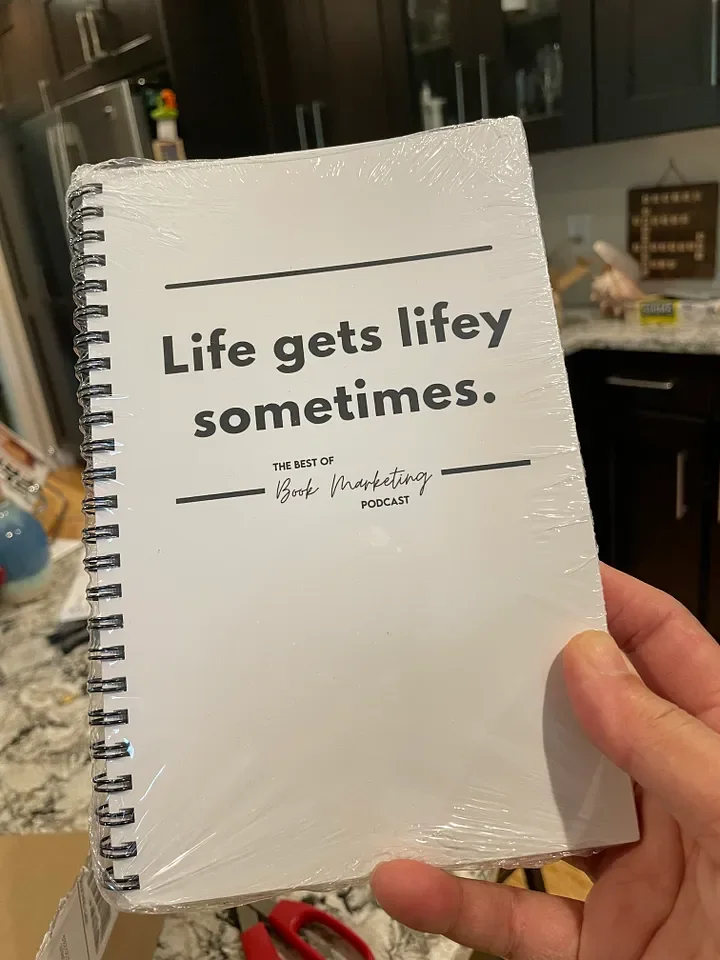
If you enjoy our show and appreciate the amazing author advice, please consider supporting us by enjoying our merch!
You know our catch phrase is Life Gets Lifey, and we all know it does! Proceeds help us keep the show free for everyone to enjoy! High-quality stuff with international shipping! 💓
Books Mentioned
Before and After the Book Deal by Courtney Maum and her excellent Substack.
Your Book, Your Brand by Dana Kaye
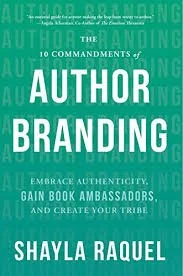
The Ten Commandments of Author Branding by Shayla Raquel.Your Book, Your Brand:
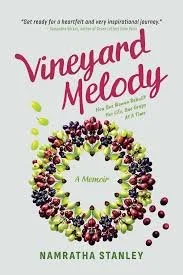

Vineyard Melody by Namratha Stanley
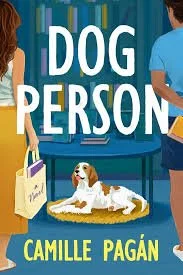
Dog Person by Camille Pagán
The Happy Ever After Playlist by Abby Jimenez
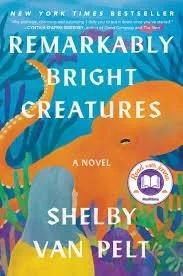
Remarkably Bright Creatures by Shelby Van Pelt,

Other Authors Mentioned
Freida McFadden - and the news of her revealing her true identity.
Resources
Colormind color palette generator
Colors.io color palette generator
Flux Academy - The ultimate guide to Choosing Fonts
Full Disclosure: We are part of the Amazon affiliate program, which means Lainey earns a tiny commission (maybe enough for a coffee) if you buy something after clicking through from a link on this website.
Note: next sections are mostly created by AI for your convenience - so please forgive any typos or inaccuracies!
Transcript
Paulette Stout
Hello, and welcome to the Best of Book Marketing Podcast. We're so happy to have you here. I am Paulette Stout, and Lainey Cameron is my adorable co-host. And we are here today to talk about building your author brand and your author platform. It's something we hear a lot about you, go to conferences, and people are always talking about your author platform and talking about branding, and there's not really a lot of depth in the conversation. So, we hope to bring you that depth today. We'll walk through what we think about author brand, why consistency matters more than perfection, and we'll dig into like some of the details of the product colors and fonts, and you know what you need and what you need, you know, both post published and also before you publish, like how much of this stuff should you do, even before your book is out. So we'll go into all of that, but we will start with our personal updates. Lainey, do you want to go first? Or
Lainey Cameron
yeah, I'll go first. I've had a really great week this week, so I got back from vacation. I took two weeks after I went to the conference in Alexandria, the WFWA Women's Fiction Writers Association retreat. I spoke there, and I also participated in the book fair, got to talk to some readers, did a whole long Q and A on book marketing, got great feedback. Everybody was super grateful. It was really great session. So, after that, I actually kind of the next day took a flight from Washington to Costa Rica, and had two weeks with friends in Costa Rica, catching up with people we hadn't seen. My husband and I went together. It was amazing, like two weeks completely away. I just finished my manuscript, so I was not working on my book at all. I organized my class so that I didn't need to teach during those two weeks, and they were very patient with me, and it was just amazing. I encourage everyone, if you can pull it off, to just take a proper break, don't take the laptop and work on the laptop while you're gone. My laptop was, it was with me, but it did not come out of my bag from the moment I left Washington airport to the moment I got back to what to the US, so absolutely fabulous zip lining upside down. I recommend it if you can pull it off. One snorkeling national parks, first time in Costa Rica. Absolutely fabulous, very easy to visit. If you haven't been to Costa Rica, we were joking, people in Costa Rica would not like this description, but we were joking a little that it was kind of like Latin America light, and that it was a very easy place to visit. People were very, very nice on the roads, and we were driving, and it was very easy compared to other countries I've been in, where you're kind of swerving around, you know, not mentioning where I stay in Mexico. So, compared to Mexico, you can drink the tap water, very nice driving facilities, everything very clean, everybody. Absolutely lovely. Recommend it. And then, when I got back this week, I got back into teaching the last week of my class. We're just wrapping up this current group, and I saw some phenomenal news from Namratha Stanley, whose memoir, Vineyard Melody, is just come out, and she was part of my previous class, and Namrathers book got picked up as a movie option. She has put many years into building contacts in Cannes and in France around the movie festival, so this stuff doesn't happen out the blue. It's a long time, you know, building relationships, a lot of work thing, and I want to credit her with that, because she made it happen. But yeah, it's great. I think it'll make a great movie if the option moves forward, but got picked up, which made me very happy. Whenever something really cool happens for my past students, I'm like cheering for them down here in Mexico. And last thing, I started querying my second book that I have just finished. I have an ideal publisher that I would like this to go through, if I could get it there, and that particular publisher needs agented submissions, and so I'm working to find the right relationship, the right publisher, the right agent who has relationships with that publisher, and also who would be a great partner for me with this book and beyond, potentially. So I sent out my first five queries this week, and I got two full requests from agents I really like. So cross all your little everything's for me. There
Paulette Stout
it's cross, baby, it's cross,
Lainey Cameron
yeah, it's a long process. And I'll give people a tip. I did something this time that I'm really happy with. I put a filter on my email for the name of that manuscript, and everything that comes in with Erasing Grace, which is the name of the manuscript, goes out of my inbox into a separate query and folder, and I choose when to go look at it, and that way, if I do get rejections, it's not hitting me sideways on a Tuesday afternoon when I'm not ready, and I'm about to go do a presentation or something, so I'm finding that really nice. I'm still checking it more than once a day, but it feels like I have a lot more control over the process, as opposed to it hitting you sideways when you're not expecting it. So, I really recommend that.
Paulette Stout
That's a great, that's a great tip, Lainey, because I know I'm drafting my thing, I am hoping to query, which is something that I didn't do, haven't done in like 20 years, so it's a very different game these days. So I queried my little murder mystery from, you know, 2030 years ago. So cool
Lainey Cameron
thing I'm coming. To Paulette's area, we were just chatting to see if we could make it to get together in person, but I'm going to be in the Boston area in a few weeks for the World Cup. I got tickets to see Scotland, which is absolutely amazing. Scotland, Morocco, I'm going to be staying for some time in Providence, where the Tartan Army, which is the Scotland fans, are staying. Should be an absolute blast. Never going to see so many bagpipes in one place again in my life,
Paulette Stout
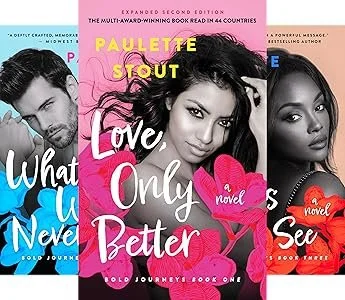
that's fantastic. I'm so excited. I haven't seen Lainey in years in person. I keep threatening to come invade her house down in San Miguel, and I'll still do that at some point, but I'm so excited to see her and hear, and we'll get some good pictures, new promo picture, um, yeah, so it's been.. it's there's been a lot going on, you know. We, we last recorded the game of April, so it's, you know, almost like a month and a half since we've spoken with you all, um, so I'm finishing up the audiobook for Love Only Better, hopefully just in the next day or so. I have my revised files back from my amazing narrator Samantha Archuleta. She's just phenomenal, and just has brought Rebecca to life in a really great way. So, I'm excited about the second edition audiobook. The first edition came out in 2021 The second edition came out last fall, so the audio is a little bit lagged, but I'm glad we took the time to do it. My day job has been ridiculously demanding, just as sapping all the life force out of me and leaves me a blubbering mess at the end of the night with, like, scrolling on my phone. So, my creativity has been a little bit sapped, but I'm trying to make time for that. I've just restarted my pottery class that I go to, my husband, and I love, you know, kind of expressing myself with a physical object, you know, we're all like up in my brain all the time, so it's nice to have like a creative outlet that's not related to typing on a computer, as Lainey was just saying. I did two events in the New York area in April. One, I spoke at a conference, the Liberty State Fiction Writers, which was fantastic event, I did a session on making sense of writing the sentence, all about, like, you know, upping the sensory experience in your writing, and it was just a great.. it was a room was jammed, and it was, you know, people came up the whole day. How, what a great session it was. I am doing this session in July for WFWA, so if you are not in Liberty State, and you want to hear that presentation, I'll be doing it there. I also was a bookseller at BookCon at the Javits Center, New York City. I'm sure you've been seeing a lot of stuff on social, both pro and against BookCon. It was just.. it was a really great experience to be there, you know. 20,000 fans, it was like dizzying having that many people, but it was just very, you know, part energizing being around so many people who love books, so that that was fun. Just being with people who appreciate books and love books, definitely was a very heavy fantasy crowd there. So I write contemporary, so you know, I sold my books, but definitely felt like it was a little bit of a con experience, but that was a great thing. I posted about that on TikTok a little bit, so if you are interested in hearing my thoughts more in real time, you can go back and watch those videos on TikTok. Follow me at Paulett Author. I'm trying to build my vibe on TikTok, and it's growing a little bit, so I'm excited there. Otherwise, I'm just writing my next book, doesn't have a title, Sophic Romance. I'm just making my way through, and I was trying to pants, and it wasn't working. So now I haven't outlawed it. I'm trying to like figure it out. So lots, lots going on, but not a lot of more new book news. So
Lainey Cameron
I yeah.
Lainey Cameron
Well, we're gonna talk about it in, in the promo spot as well, leftover from last time, but we have merch, and we will talk about it more. Oh, you know what, I need to do, I need to order some merch to your house, so that I can get it from you when I am in Boston. That's
Paulette Stout
a really
Lainey Cameron
great idea.
Lainey Cameron
I'm gonna do that, okay. So I say we get into it because brand and platform, fun topics, and I think the topic I want to start with is what our brand and platform like, what does this actually mean? Because we hear people use them in all kinds of different ways. In fact, when I do my class, I do two weeks, I do one week on branding and one week on platform, and one of the things we start with is, like, what is the definition of what these things are, anyway? So, I have a pretty strong opinion on this, but I want to start with you, Pilette. Like, what do you think of as what is an author brand to you?
Paulette Stout
I mean, to me, an author brand is, you maybe use the same words, I'm sorry if I'm stealing them, but it is, it's kind of like a promise, it's like, what are you signing up for when you engage with this creator, you know, and it's, you know, in whatever platform, whether that's social, reading the books, you know, reading their newsletter, what is the type of experience this person brings to the table, because when people go to books, the purpose of genre really is to kind of guide people towards something that they. Like, so a brand is like that expression of you as a person and also of your work that helps people understand what they're going to get when they engage with your content, so and you can express that a lot of different ways, and we'll go into that, but that's what I think of brand and platform is really kind of like the public facing interface of how you engage with the world, and that's like your website, and you know the podcast, you know, you know, content creating social email in person, how you engage with the world, and potentially how big an audience do you have within your sphere, you know, so if you're a big author, your platform is very large, if you're, you know, John Grissom or Kennedy Ryan on the romance side, and you have people lining up around the block to see you. You have a really big ultra platform, you have access to lots of people natively, like kind of organically. That's kind of how I think about it. How do you think about it, Lainey?
Lainey Cameron
Yeah, I think you and I see this very similarly, the same way. So it was just looking back at my slide from my class, and I say on that slide that slide is such an old school term, it dates me, not even slides anymore, whatever they are,
Paulette Stout
they're slides,
Lainey Cameron
slides comes from when they were actually physically slides that you put in the projector machines, like I like from the 50s, but anyway, author brand, I have exactly what you have there, which is it's your promised reader experience. So, it's that promise of an experience, and one thing, when you think about a promise of an experience, it's going to be an emotional thing, right? Like, an experience is a set of emotions, right? And so, it's promised reader experience, and I would even add, like, the emotional experience, and so platform, exactly what you said to me is your methods of reaching out to readers with that promise, with that promise of experience. I have an interesting page that I teach in class, where I talk about different definitions that other people have, because they're not all wrong, but they're kind of interestingly different from how I define it. So we both kind of talk about it as a reader experience. Dana Kay has this great book. Dana Kaye is a publicist. She has this great book she put out called Your Brand, Your Book, Your Brand, which I can recommend, and her definition in there is Your Brand is You plus Your Book, which I think is interesting, right? Because I know right and wrong in this, so just in terms of helping people get their heads around it, I do. The way I think about it is that your brand is your promise reader experience, and you yourself are part of that promise, right? Like, when you turn up anywhere, you're actually displaying that promise. We could talk more about that, but, like, you yourself are part of that brand promise, so it's not wrong to say that you are part of it. And I think Dana's definition is kind of interesting from that perspective, and there's another book that I really like, which is from Sheila Raquel. It's called The 10 Command Commandments of Author Branding, and what she says her definition of author brand is author brand is how and why readers fall in love with you and decide to read your book, and it's your reputation, your passions, your message, your theme, your image, all rolled into one, so that's putting a few different definitions out there, like I've related as it's your, your emotional promise to the reader, but I think those are also kind of interesting points that it's kind of all of you, right, like one of the things I talk about with my class is your brand shows up at every single touch point, right, every every moment that you're in front of a reader for any reason, you are, you are your brand, right? Like, if you show up at an event and you're sitting at a table, you are the representation of your brand, how you look, what you're wearing, how you talk, right? Exactly. I think we like to think about brands as being like, you know, it's the colors on my website, but if you think about how you interact with any real-life brand, and the example I like to use is an insurance company. Okay, so let's take someone like Allstate. Okay, so Allstate has a logo, it has a set of colors, it's blue. If you go to its website, blue is a color of trust, is the reason their logo and their colors are blue, but like they have a logo, they have this, they have that, right? And then you interact with them on the telephone on their website, but if the day that your house burns down and you call them to make a claim, they're jerks, and they jerk you around, and they ask you for 1000 pieces of paperwork when you just lost your whole freaking home. Nothing you ever saw before matters. What matters is the interaction you have on the phone with a real person that day, when it really matters, when stuff is on the line, and that is the brand, right? And so I think we get caught up in the, like, the prettiness of the brand and the colors and the website, etc. But the brand is every interaction someone has with you and your work, and it's just like those real-life experiences are actually way more powerful than, you know, the colors on your website. So you are your brand. I kind of agree on that perspective, and that you represent it as well,
Paulette Stout
and I think that's an amazing point, because I think a lot of authors, you know, a lot of folks who write books are naturally more introverted or reserved in terms of their public engagements, and it feels uncomfortable to put your face out there, to be even to sell in person to. Be at a library or at a conference, and it just feels a little talk to a media outlet. It feels you're very vulnerable, and it feels uncomfortable. But I think that's one of the things that if you want people to read your books, like you need to put yourself out there, and you can do it in a way that works for you and matches your lifestyle as best as possible, but you do need to do it, because if you want people to read your books, they need to know about you, and they need to know about what you're offering. To Lainey's point, what is the experience that you're promising them that if they read their books, that they'll get that?
Lainey Cameron
And, like, to think of, like, people who do this well to me, your brand, like, when I say you are your brand, another way to say that is, like, your author photograph is a really interesting example. So, I encourage you to go look at different author photographs for others who are doing it well, who may be a little more advanced than we are right now, and look at how they, how they put their auto photograph, author photograph out there. And the person I actually think does this really well is Hank Felipe Ryan, who is just the most helpful person to other authors, the loveliest person in real life, but if you look at her author photo, she's wearing black, and it's, it's kind of like a black and white-ish photo, depending on where you put it. The background is very black and white, there's a little bit of red in it sometimes, because she's writing thrillers, right? And her author photo, even though she's friendly, and you meet her in real life, and she is the loveliest person, she's not going to approach you like she's a thriller writer, like I'm a very serious person, and you know, like she's a lovely person, but her photos look somewhat serious, and they look like a thriller writer. They don't like you, instantly know when you look at her photo that she does not write light-hearted women's fiction, and you can tell all of that just from her author photograph, and everything on her website, and everything in her email newsletter, and everything all matches that same tone, and so even though it's a somewhat serious thriller tone, like edge of your feet seat, and she's able to combine that with being the loveliest person in real life, it doesn't go against it, but you'll see that she dresses like a thriller writer when you see her in photos at events, like she's got it done.
Paulette Stout
Yes, yeah, and it's funny you're mentioning the dress, because that's something I'm very conscious of when I sell in person, I just don't show up in one of our T-shirts I rolled out of bed in that day. I present myself in a way that I want to be perceived that kind of reinforces my author brand, so it's the colors I wear, it's how I style my hair, it's my makeup, it's my own demeanor and engagement style. I'm very, you know, fun and engaging, and I feel my books are fun and engaging, so I try to kind of reinforce that brand essence in how I engage and how I show up. The photographer you're talking about, when I did my photo shoot for author headshots, I did a lot of facial expressions, you know, like funny expressions and things, because I wanted to be able to bring that fun side to my different, like newsletter lists and social and things in different circumstances. It's not always appropriate given the circumstance, but I wanted to have that kind of quiver of photographs that were in different styles that matched my brand, which was kind of like a little fun and irreverent.
Lainey Cameron
You know, who else does this incredibly well is Catherine Center. So Catherine Center ranks kind of like not too far from your space, right? Like, like, yes,
Paulette Stout
it's like her plus sucks,
Lainey Cameron
exactly, but like, but like, she's like to your point, she's upbeat, she's hopeful, she's got really bright colors, she's got her brand was represented by a really nice bright color palette, and that same kind of promise of like that, hopeful. Let me see if I have her tagline here. Anyway, I don't, I don't think I do. She's the Queen of Comfort reads, is the thing that she's gotten a lot of her, just remembered a lot of her stuff. And so she's the Queen of Comfort reads, she's got this really bright floral, bright colored floral palette with flowers being a big theme, and it shows up everywhere, like if you see her at in person at an event, she's wearing a bright colored dress, the signage is brightly colored, it all looks like her, and she includes her fans in a ton of her stuff, right, she's got photos of her with her fans, selfless selfies with the room, and it's all got that same tone of like cheerful, happy, I mean, her newsletter has
Lainey Cameron
like
Lainey Cameron
three things I love, or like, she really does everything. Is her whole experience of being around her. She paints on the back of books and paints the side of books. Sometimes she's painted doors and pieces of wood and given them away to readers. I mean, everything it looks so similar, and it gives you two things: one is you're very clear on the promise of a Catherine Center novel, right? No one is picking that up, thinking they're going to get the main character dying, and it's going to be traumatic, right? Like, this is going to be a hopeful book, right, a hopeful, funny, uplifting, right, romantic, but also it's consistent, the same everywhere, and if you're consistent, you look like quality, it's really interesting, whatever you pick to be consistent with, so your colors, your fonts, your imagery, your author photo, just the fact of being consistent makes your brand strong and makes people think that you have a quality product, whether you do or not. Just the fact that you are consistent across the board,
Paulette Stout
and I think the reason that is is because. It looks intentional. It looks like it's done on purpose, it's done with forethought, and like you've actually put some consideration into it, versus I'm going to be all over the place with different colors and different typefaces and different whatevers, and it looks a little health skill, health or skelter. And then it's like, not your books helter skelter, because how you show up to the world is a little frazzled and disjointed, so it's I think the consistency piece is really important.
Lainey Cameron
Yeah, and and the other thing to think about with the consistency is I encourage everybody to have a color palette, so you want a color palette that represents your brand, so if your emotions are calm and steady and ocean, you know you're gonna have some blues in there, yeah? Right, that's why you see women's fiction covers and pastels, right? If your emotions are more like gritty, hardcore, you're going to see darker tones in there. If your emotions are more like
Paulette Stout
with straight lines and edges and things, yeah,
Lainey Cameron
yeah. And so you're going to have some consistent colors that represent that promise, right, that emotional promise, and you then you want to use the exact same color everywhere. So people get this wrong, they kind of go, well, there's five colors on my book cover, so I'm going to take those five colors and I'm going to use one of those five. No, you got a color and it shows up everywhere, and then you've got some background colors, some contrasting colors that you can use to bury it up, but you really want to be consistent, and it doesn't necessarily match your book cover. So, a lot of debut authors, they think that their brand is their book cover, and they do their website to match their book cover. Sure, right? They get a URL, yeah, but like everything is around the book cover, right? You have to see yourself as an author who's going to have five books out there, or more, right? At some point, hopefully, right? Hopefully, you're not a one book and I'm done person. Maybe you are, then don't worry about it. But assuming you're not a one book and you're done person, listen to what I'm saying right now, which is you're going to have a palette of colors that is going to last you at least 12 to 18 months. I would prefer you stick with the same palette for three to five years, given the choice, and so that goes way past your book cover, and so actually you're somewhat better having, in my opinion, a palette that is complimentary to your book cover, so that when your book cover comes on top of it on your website, it looks great, but is not necessarily the same as your book cover, and I think this is a misunderstanding that a lot of people have, they think their author brand is their book cover of their first book,
Paulette Stout
yeah, that's yeah, that's a huge mistake. Sorry, folks, but you should really think about, go back to the first question, what is your, what is your promise to the reader, and what's the emotion of that, and choose colors that match that. So, for instance, when I had my series positioned as women's fiction, blues is a very common color, like blues and greens. So, my palette had, like, a navy blue, I had gold, I had white, and those were, like, my primary colors, so that when I had my, my covers that were a little bit of a complimentary palette, you know, they popped off the, you know, popped off the page when I reap reposition my brand into the romance category, I change those colors. I have a pretty hot pink, black, and white, and those are my primary palette colors, and I just swapped everything to those, and please, you know, we've got these CMYK RGB, like, pick the exact color and get the number down, get the code down, so when you're doing your materials, you are using the exact same color, so you don't have, like, a mishmash of things that are almost the color it is not hard,
Lainey Cameron
it's not cards, you just get what do you call the number with the hash in front of it, and actually know what that's called,
Paulette Stout
hex, hex, hex,
Lainey Cameron
yeah, the hex, or the, the, yeah, the one with the hashtag in front of
Paulette Stout
it, yk is just for, you know, you know,
Lainey Cameron
either get your hex with the numbers or your hashtag with the letters and numbers, and copy it directly into the color field. If you're using Canva, you can just copy paste that code, and it'll give you the exact same color, and that is the easiest way to do it. If you have Canva Pro, you can save those as your brand color palette, and then you just click on them each time to apply them to something. And I also really like if you can work out what your primary color is. Sorry, I don't mean a primary color like red, green, like crayon, your first color, your most important color. Okay, if you can work that out based on emotion. So, for example, my most important color is a teal, and that's to do with kind of it came from corporate women's fiction. Teals are very popular as well. It's kind of an energizing color as well, that says it's going to be a fast, fast-paced kind of promise of value that I'm giving the readers, it's going to be upbeat, fast-paced, a little bit more serious than a Catherine Center, for example. So I've got that primary cup, that first color, which is a teal, and then what I do is I did is use a palette generator around that primary first color, so I keep saying primary, confused people, the first color, the most important. Color, but you lead your lead with color, you choose your lead with color, and then there are tools out there that will actually generate a palette around that, and it's actually kind of like a lottery machine or a spin the wheel, what do you call machines in the casinos, where you like,
Paulette Stout
oh,
Lainey Cameron
slot machine, slot machine, yeah, so you basically you start with this main color in the middle and you just keep hitting the button until you find a surrounding palette that you like. Now, obviously, you could go pay a fancy designer to do that same work for you, and I'm sure it would be, you know, some level of degrees better, not enough that I could spot it, but I mean, somebody could, maybe. But for most of us mere mortals, that is a great way to do this, is get to your primary first color based on emotion, and that very much depends on the emotions of your book. There are sad colors like grays, browns, beiges, dark blues. There are calming colors like baby blue, like green, like lilac, like mint, like these are calving colors. There are energizing colors, like teal, like turquoise, like emerald green, bright reds. And then there are like happy colors, like yellow, oranges, pinks, peach. Lots of resources out there to help you do that. Just Google, like, color emotions, and you'll find it. But once you've got that first color, I really encourage you to just use a palette generator, and it generates surrounding, contrasting, and complementary colors. And you literally hit the button until you find a version you like, and you're like, that's it, I'm good.
Paulette Stout
I would wager, and if you are one person who is comfortable using AI? I would go into Perplexity, ChatGPT, whatever, and say, please generate a color palette for me. Talk about your books, talk about your brand promise. Give me five, you know, two primary colors and three complimentary colors, and you know, you probably could get some nice starting points there that can help you when you go into canvas, just kind of see what the, what the codes look like, and you say, give me the hex codes, and you know you can kind of play around with that.
Lainey Cameron
Yes, and the palette generator that I use, no, no commission or anything here, it's a free palette generator, is called Color Mind. So that's, I'll put the link on the episode page, but it worked pretty well, and I've been very happy with my color palette, and it's super easy when you go to create images, like if you're using Canva or something, it makes it so easy because you just take a template and you change it to your brand colors and fonts, and you're done, like it's super easy, you know, it instantly looks like you, you don't have to go to the ends of the earth to make a design look like you, you just change the colors and fonts and it looks like yours,
Paulette Stout
right, and talking of fonts, I think that's another good decision to make, and sticking with a few, you know, I've got three fonts that I primarily use. I've got a primary font and complementary fonts for, like, you've got headlines and body copy and different things, and you would want to choose probably a serif font, which is a font that has the little tags at the corners of the letters, and then you would have a sans serif font that has clean edges, straight lines, little tags on the end, and then very legible copy. And there are certain trends in terms of typefaces with certain genres too, so you know what those are. Take a look at what some of the other people in your spaces are, and play around with some typefaces, because the typeface you choose also helps you feel, you know, she's Lainey was talking about having the teal be a little bit different, a little bit energizing, and not ordinary. You don't want your typefaces to be ordinary, you don't want to be rolling up with Arial, you know, or Aptos, which are like the default fonts for Microsoft. It feels like it's not considered again, you haven't put effort into shaping your brand, so I would look at the different typefaces, and I would also make sure that they're legible. There are a lot of really beautiful typefaces out there, especially in the script styling, and that they're not, they're hard to read, they're not gonna
Lainey Cameron
say yes on
Paulette Stout
like social graphics, you know, I see them on signs that you know, even just like local signs around people running for all. I'm like, that is the worst typeface for driving by 35 miles an hour. We're not doing that in our space, because we'll be online and whatever. But even when you're scrolling on social, a little curly Q, really fine font on a light, it's it's not gonna be legible. So make sure you choose and legible, yeah, a little too deck, yeah,
Lainey Cameron
too decorative. Don't go with fonts that you have to like lean in to try and work out what the letters say. Your purpose is to be understood first. Don't go for a pretty over easy to be understood,
Paulette Stout
yeah. And that says something too. If you can't read the typeface, that is saying something about your brand, that is communicating that maybe it's good, but you're gonna have to work for a little bit, you know. So, if that's not the message you want to communicate to your readers, choose a different typeface that'll make it easy, accessible, enjoyable, enhance the experience when they engage with you, and they will make you know that will give something positive about your brand.
Lainey Cameron
So, I need you to help me here, Paulette, because I think I've secured in the past that fonts are my absolute nemesis. Okay, I hate fonts with a vengeance. Okay, and so I do have some fonts, and what I've done is I've tried to match them on the other platforms, but really, like, it's impossible to get the same font right across social media. Across your newsletter, across your website, like they don't all support the same fonts, and so
Paulette Stout
into a lot of these platforms,
Lainey Cameron
but not like
Lainey Cameron
social media, for example, like you have to use what's in Instagram, for example.
Paulette Stout
Well, an Instagram has its default fonts, so where would you be changed the typeface in Instagram? You'd be using your post
Lainey Cameron
when you're right, you're using..
Paulette Stout
I do a lot more of.. yeah, I think it would.. I would just choose one that is like legible. I use strong a lot of Instagram, for instance, there's bubble.. there's different styles of letters.. again, it's the legibility and consistency, so I wouldn't
Lainey Cameron
be like 100% consistent across with color, you can, with color you can absolutely use the exact same color, but with fonts, and this is where I'm like, please tell me how I can do this better, but let's, but with fonts, I feel like I'm constantly trying to find a close match, because you can't get the exact same one, let's say on social media versus your newsletter versus your book cover,
Paulette Stout
right? So, if you're like in your newsletter platform, like Mailchimp on Canva, you can upload fonts, so that's an area where you can control it. But places like Instagram and TikTok, where you know, if you're just making fonts, I would choose a style of lettering and try to use that, maybe choose a couple, you can do one that's maybe more playful and fun, and one, maybe if another one, if you're, you know, saying more edgy things that are you want people to like hear and communicate, maybe they're more, you know, countercultural takes, like you want, I think you'd want to have a few fonts that you choose that totally match the types of posts you make, so if you're like making happy posts, then you know the bubble letter, and I use a bubble letter, like that's fine for those, you know the bubble lettering, but if you are, you know, say if you're doing critical political commentary on things, you might not want to use a bubble font, you might want to use a strong font, which is, you know, kind of a little bit bold and block lettered, and that kind of thing.
Lainey Cameron
I love that, and like our own podcast here is an example of that. So, like, when I'm doing some of our posts, we, we have our blue, and we have a very bright yellow that you helped us find, right? The yellow is, you know, the blue is a little bit more serious, and the yellow is definitely like a kind of happy, energizing color, because we don't want to come across as like we're going to teach you book marketing like a college professor, right? Like we're us, we're going to make this more fun, I hope, right. And so I think that yellow that we chose, it was your choice, was a great choice. And we do use the bubble, I use the bubble font on some of our posts and some of the reels, but absolutely, I'm trying to make it a little bit more fun, right? It's very deliberate, we don't want to come across like dry professors telling you about this,
Paulette Stout
right. And I think that you also want to make it legible, right. So, having the blue and the yellow together gives us a lot of options for combination. So, if you look at the best of a marketing logo, we've got yellow with the neon glow on that, and it's like a different, I think it's like Mistily or something, that's our typeface, but then you can add effects to some of the letters if you're not, but it's still contrast and legible, so you'll see the common theme we're talking about is the user experience, is it readable, is it legible, what is it telling me about you by looking at the colors and looking at the typeface before they even read the words, seeing the typeface and the colors is saying something, so just be aware of how you're communicating through these nonverbal cues, you know. And then you kind of hopefully it's adding to what you're saying, versus like, you know, becoming a contrast and undermining your message. If you're saying something serious in a fun way with pink and bubble letters, like it does, it kind of contrasts the message. So make sure the fonts and the colors matches the message.
Lainey Cameron
I'm gonna, I'm gonna use you as my caller friend next time I have to do something so much.
Paulette Stout
Yeah, I'm a little bit of a font geek. Sorry.
Lainey Cameron
So, talking of fonts and typology, I think our little sponsor segment, we were going to talk about our life gets lifey merch for a second again, and I'm actually gonna have fun because I'm gonna go shopping on the on the website and see what I can get and sent to my boss. And now I just thought of that, you got to send me your home address so I can send you stuff.
Paulette Stout
Yeah,
Lainey Cameron
but this is a good way to support the podcast if you want to support us. We have great merch, it says life gets lifey sometimes on it, and it's got t-shirts and mugs and notepads and all kinds of fun stuff, and we got a teeny bit back from that, and we do put, you know, both of us put money and time and energy and into this, and just in case anyone thinks this podcast makes money, no, no, no, podcasts love that you pay to produce, they don't, they don't bring money back for you, so between our sponsors and our merch, we don't yet pay for this podcast, because we have the cost of Stream Yard and all kinds of things that we have to pay for the website, Streamyard email, etc. But we do it because we want to help you. So, if you want to help us get some of this fun merch, and some of that goes to pay for the podcast.
Paulette Stout
Yes, and if you want to keep the podcast free, you know, there are lots of people that put their content behind paywall on, you know, Patreon. Or on Substack, and we're not doing that right now, so anything that you can do to support the podcast is appreciated. Maybe we should set up one of those Kofi Bayamia coffee things and see if folks can do that too.
Lainey Cameron
Think about it like we, I didn't want to, when we moved our, we moved our blog, or we created our blog on Substack, but I need to post more on more frequently than I do, but when we created that, you know, we had the option to put a paid version there, and I was like, I don't know, like, like,
Paulette Stout
yeah, yeah, I don't want to do that just yet, but if people want to, like, throw us a few shekels, I ain't going to stop you, so,
Lainey Cameron
so that's your, that's your commercial for this week, is check out church, put the link on the episode page, or in the episode notes notes, right below if you're watching, wherever you're watching, and let's get a little bit more into platform. I feel like in the second half here of a platform, so let's maybe just start with the basic of like what does make up an author platform. What are some of the things we think of as being part of an author's platform?
Paulette Stout
So for me it's kind of like the foundational things, it's your author website, it's something that you have control over, and we've done great episodes. Go back and listen, how to do websites really cheaply, you know, and there's lots of ways to do that. Websites, a newsletter, you know, that's something that you can control, and whether the social platforms change or algorithms or access, or you lose access to your accounts, you will always have your newsletter, and you, your website, if you choose to invest in those, so your social platforms as well, you know, even things like LinkedIn, if you're doing nonfiction, or you know, kind of titles that you want to network within the author community on LinkedIn, so those are the social platforms, those things, Blue Sky, Substack, if you have a blog that you, you know, support, that would be part of your platform, if you do videos on YouTube, or you know, on TikTok, or Instagram, you know, those are part of your author platform. And then your in-person appearances, are you, you know, at local bookstores? Are you speaking at libraries? Are you going as guests on podcasts? Are you doing television interviews? Are you writing articles for the local paper? Are you, you know, blogging on another, you know, person's environment, you know, this women, women's writers, women books, like, you know, places, you know, different places. So it's kind of like the public facing ways to communicate with you, is kind of how I view the platform. Is that I leave anything out, Lainey?
Lainey Cameron
Yeah, no, I think that's really good. It's every way that you can get your message, your promise of value out to your readers, right? That, but it's better if it's something you own, right? So, like your website, your newsletter, those are things you own, right, that hopefully somebody can't turn up and take away from you, versus your social media. We've talked about this in the past, that you're on someone else's platform, right? So, even though a lot of people, when they say author platform, what they think of is like, how many followers do you have on Facebook or Instagram or TikTok, or whatever, that is not nearly as valuable in your platform as the things you actually own, like your newsletter. So, like, they are all part of your platform, but I don't give them equal value, because you know one is truly your platform and the other is like you're on someone else's borrowed turf, and hopefully it'll keep working out. I heard Courtney Maum present at the WFWA retreat, and she said something really interesting. She was talking about how to capture reach, and she was actually talking, talking about, like, in the context of a query, because very often people are told you should talk about your platform if you're querying an agent and she was saying well one thing you can consider doing to talk about rather than saying I have a platform you could say I have a reach of 10,000 readers and she said you know the way you could get there is by adding up your different places so add up your newsletter list if you've got a sub stack if you've got, like, like a social media presence, if you, whatever, wherever else you turn up, you got to, like, and then she was like, you know, one way you can do that is to add it up, so, like, I added mine up for my query that I just wrote, and I put in that I have a reach to 20,000 readers, and that's because I've got my newsletter, 8000 I've got my Instagram, 8000 I got a couple of 1000 on Facebook, we've got 1000 on the podcast sub stacks. It all adds up to, like, I don't know, 23 so I said 20,
Paulette Stout
yeah.
Lainey Cameron
But, like, I'd never heard it put that way, that, like, think about just totaling all your presence to quote your reach, if you're trying to convince someone of your platform and what kind of platform you have.
Paulette Stout
I love that. I love that a lot. And I think also, you know, I wonder if there's an element of that, whether how engaged they are, too, you know, so if you're, if you're someone who has a pretty engaged community, so when you post, people are commenting, people are liking, people are doing, you might be good to kind of qualify, have an engaged community of this, you know, if you have a good open rate on your newsletter, you know, I think that can demonstrate engagement, so I think that that's another maybe element to maybe pair with it, I don't know if that's that, just pulling that out of my button here, but
Lainey Cameron
let me just give a quick plug, seeing as I referenced some great teaching that Courtney Maum did, that she wrote the book Before and After the Book Deal, so if you're not familiar with that book, it's a really good insight, kind of behind the scenes in publishing to think about what you need to do before your book comes out and after. Her, it's a little bit more towards traditional publishing, not all of her stuff is. She has an amazing Substack, also called Before and After the Book Deal, but that book is phenomenal. If you've got a debut and it's coming out in the next like 24 to 36 months, go read that book, it's really great at kind of walking you through everything you need to think about.
Paulette Stout
Yep, yeah,
Lainey Cameron
and we'll put that in the show notes as well.
Paulette Stout
I've been adding all your bookwrecks into the comments here, so if you watch the thank
Lainey Cameron
you,
Lainey Cameron
you go over to YouTube, you will see written down in the comments of ours. Awesome, awesome. So, what I'm going to talk about next, so consistency, we talked about a little bit, right? The more consistent, the better, be consistent across all of your different places that you show up. What about, yeah,
Paulette Stout
yeah, I think that one of the big questions that people have is where do I need to be, and how often do I need to be in these places, and I think you know, if there's there's a lot of FOMO going around, there's so many platforms, you know, there's new ones, you know, starting up, and you know, some people are on Pinterest, and other people, you know, when they left, you know, X, and went to Blue Sky, and you know, there's all these different, you know, we had this trouble with, you know, Tick Tock, and almost Lemonade was popping up, you know, so there's all these different platforms, and I think what is good to do is to look inside yourself and figure out what works for you in your life. Even with your newsletter, I do my newsletter monthly. Other people do their newsletters quarterly, weekly, you know. Some people do it multiple times a week. It also depends on, like, again, what's your audience and how often do they want to hear from you, and how engaged are they? I think that can help determine the frequency of some of these things. Sorry, something just shifted in my closet, and sorry if you heard that, that was like maybe jump there. That's so funny, but yeah, so I think that going someplace, and we talked about consistency in terms of your branding, but consistency in terms of your external engagement is also important. So, for me, I published my newsletter monthly. I have published it every month consistently since I started it in 2021 So, some people, like, I'm only going to publish when I have a book coming out. No, you need to build your community and keep your community engaged on an ongoing basis, and there's always something where writers, we can say stuff, you know, if you don't stuff about your own career, you can support, you know, your fellow authors in different ways, get more engaged in the community, but having whatever cadence you choose, doing a consistency consistently is going to be a good thing. I also heard something this week in one of my author groups that if you know a lot of people have Gmail email they receive their emails is through Gmail. I've heard that if you receive like if you publish a newsletter on a schedule on a regular basis, Google detects that and recognizes that it's a real thing, but if it's on a consistent schedule, it doesn't interfere with the sends, but if it's a little helter-skelter, that they might, you know, shift some of the emails into the spam folder, so there's all these external pressures too that kind of influence how we engage with people, so knowing those and keeping track of them is important too,
Lainey Cameron
yeah, yeah, and like, I, I'm a strong believer of, you don't have to be everywhere at once, right? So, you don't have to be on every social media platform. We talked a lot in the past, a bit, newsletter over social media, for sure. If you can do one, make it your newsletter, but I think one thing we do recommend, we've talked about this a little bit, is when a new platform comes out, go stake your username, grab your username early, and then you don't even have to touch it if you don't want to be on that platform, but do go grab your username, otherwise you end up like me, also on Instagram, or I'm like Lainey underscore Cameron, because of the time I got to Instagram, someone else had Lainey Cameron, and so it's helpful if you can go grab your name, or as close to it, you know, Lainey Cameron, author, or whatever, as close to you when the platform comes out, and then if you don't want to be on that platform, great, you do not have to go post on 12 different platforms, it's just not worth your time, and the thing is, you don't develop any expertise in any of them if you're posting across 12 or five different places, and it does change, right, like Instagram, the algorithm keeps changing, what works keeps changing, and if you're like posting on Instagram and Facebook and TikTok and Blue Sky and Pinterest, and and you're not going to have time to understand what's happening and what works on any of those platforms, and so you're going to do it mediocre on all of them.
Paulette Stout
Yeah, it's 100% I think it's funny, I've always been like this kind of surface level across many platforms, things, and then in the last few months I've been like, I'm just gonna, I'm just gonna focus on Instagram and TikTok, and mostly TikTok, frankly, frankly, TikTok, I'm on multiple times a day to Instagram, I post regularly, but not necessarily always every day, but for me, I've all of a sudden seen. A, like an uptick in followers, it was taking me a really hard time to get followers, and all of a sudden the algorithm, the platforms want you to be active there. So I am getting more familiar with how the algorithm on TikTok likes me to do things, because I'm there consistently. So, and I like making videos, and I like being funny, and like my author brand is like, I do all these jokey audio things. So, how you post on the different platforms should be suit your personality, because this, we don't want this to be torture for you, right? So, if you don't like being having your face on video, or you don't like using the format of video, then you can choose platforms that are more, you know, writer-focused, you know, on Substack, on, you know, Blue Sky, you can, you know, even do Facebook, just write it and have a picture, you know, so there's lots of ways for you to engage on social that kind of matches a little bit more of your personal style, but it is just, you know, I was in my work meeting, because I, you know, work in marketing, we have a lot of data that you know video is, you know, it's already been a huge medium, but in terms of share of voice around things happening, video is really the number one medium. So, if you're not comfortable with having your face on camera, there are still many ways you can engage on video, so you maybe there's something we can do on that in a future episode. Lainey, of how do we get on social? And, oh,
Lainey Cameron
actually, I have the perfect person to come help with that, Toshiba afterwards.
Paulette Stout
Good, good, yeah. I think it'll be a good thing, because I think I think it's important for people to be in, you know, pick a few and go there and explore video as a medium in ways that works for you,
Lainey Cameron
exactly, exactly. If, if you can, like, like, I am actually a, okay, mind blown in the last two weeks when Freedom McFadden came out. I mean, it might have been more, more than two weeks ago, but I saw it two weeks ago. Freedom McFadden came out as her real-life personality and said, I'm also this doctor based in Alaska, I think, or somewhere, like, yeah, McFadden has been out wearing a wig, interacting as Freedom McFadden in the real world with readers, while continuing this other life as a doctor, where she was not publicly associated, like, these were two,
Paulette Stout
her books are pretty dark, so
Lainey Cameron
she finally came out and said, like, this is also me, and you can see when you put the two photos together, but she wore a wig when she was out as Frida, and nobody was making that connection that this was the same person that the dog, and she had good reasons, and so I just, I don't know, for some reason it made me think of that, like, like you don't have to necessarily, you know, be your real person, even,
Paulette Stout
yeah, and it's so funny you said that, because I sometimes feel like I'm playing a character when I'm out, you know, because I'm bubbly, I'm loud, and people expect that of me. People like, once you start your brand, people expect that for you, and it may not always be how you're feeling that day, right? So, sometimes you have to kind of fake it till you make it, put on that performance, and then you can go turtle later with a blanket over your head and a cup of tea, and you know, recharge, but, but the persona that you put out in the world is an expectation, and you'll want some consistency around that too,
Lainey Cameron
but I also say, don't do it if you hate it, right, if you truly,
Paulette Stout
I don't even know for sure,
Lainey Cameron
like, like there are other ways to market your books that don't, you know, you don't have to be on video, is just becoming more and more what readers are used to interacting with, to your point, Paulette. So,
Paulette Stout
yes, and I know that there's a Shell Rajan, who is author friend in one of my groups, she's started, she holds her book up and she puts an extra puts a tea, and she holds it, and then she reveals it, and that's what she does. She puts it on a chair, and she doesn't even like say anything. Drop the book on a chair, like, so that you can get creative with video. If you don't want to be on camera, you know, we call it like faceless accounts, you know. So there's ways to do that, but again, there is no one way to do anything, so any episode you listen to of the Best of Book Marketing Podcast, we are giving you best practice advice. What we've heard, what we've heard from others, you can listen to none of it. So these are all opinions, and it's take what little bits of what you hear on this show and other shows and put together an author career that works for you.
Lainey Cameron
Yes, although I will say on the branding, if you show up as a different color every single time your book or you shows up anywhere, it is going to be hard for people to recognize you over time, because you're going to look like a different person every single day. And I mean, in terms of like your communications, your emails, everything, if it changes, if it's like a spin the wheel of colors, you are going to have a hard time building your brand.
Paulette Stout
I agree that you shouldn't ignore that. I take back when I said ignore things. There are some things you shouldn't ignore on the show and on our episodes, because we're kind of smart. We've been there, and like we're trying to help you avoid mistakes.
Lainey Cameron
Talking of which, what is the most common mistake that people make around branding and platform and or platform?
Paulette Stout
I think misalignment between your genre and promise and the way you, you graphically appear, you know, type faces colors, you know, you use big bold block letters and red and you write cozy mysteries, like no,
Lainey Cameron
right
Paulette Stout
before that, you know it's black with red letters with like jagged edges of glass.
Lainey Cameron
Oh my god, people love that font with like blood dripping off the edge of the font, and the number of times like you see people who write to your point like a like an upbeat cozy mystery, and it's got the font with blood dripping off it, and I'm like, no, no, horror,
Paulette Stout
yeah. And I think another mistake people make is thinking if they don't have any kind of design sense that they can do all their own stuff all the time, so I, if you're not graphically inclined, if you struggle with those, if you don't really, I mean, you can watch videos on color theory and proportion and layouts and typeface and really make some good improvements for yourself, but if you're not interested in putting that time in consulting with someone who does, maybe you can buy a few pieces of average, you know, some graphics from someone who does it well, and then you can kind of see how they do it and try to like mirror that on your own, look at the accounts of people that you admire. What is it about it that you find? So, I think that the lack of consistency, the misalignment between brand and the kind of amateur vibes that sometimes people put out because their design skills are not really up to snuff, you know. There are color theory and proportion, and there are things, symmetry, balance, a lot of the things we use, even the social platforms, on you know, both on TikTok, Instagram, Facebook, I don't think so much, but they have guidelines that pop up, you know, so you can understand that, understand the interface of the platforms you're using, so if you're making a graphic, understand where the on screen applicant application features are, so if you're making a TikTok, and you know that right down the right side there are going to be icons and things, the left side is going to have names of people scrolling, the bottom is going to have the name of your post, so understand kind of the interface elements and make your social posts so they don't like, get cut off or off screen, and those types of things, so it looks a little bit less amateurish,
Lainey Cameron
although that's an interesting kind of dilemma, because also I believe that in Instagram, right now, like fast and sloppy is better than something that looks like it was made in Canva, like people don't react well in social media to things that look like they're too polished,
Lainey Cameron
no.
Lainey Cameron
And so it's kind of an interesting balance point there, right? On like, you don't want it to look so polished that it's clearly like a graphics program. Yeah, for me,
Paulette Stout
I was talking more about like the text. If you overlay tech, you don't want it to get cut off because you like put it at the wrong thing and now it's covered, and you can't even read it, you know. So, I think that the algorithm is not going to like that, and people reading it, like, I want to read the says, but there's all these like things over it, and I can't read it. So,
Lainey Cameron
right, it's got subtitles,
Paulette Stout
I produced. If you want to do it, you know, put it on your makeup in the bathroom, like, go for it, you know. The amateurish thing definitely is good, but I have, you know, consulted with people recently, and the makeup thing and the presentation is an algorithmic benefit. If you look put together and polished in front of your camera, you will get an algorithmic boost, and I'm really sad to say that that's the truth, but that's what it is, and if you are an attractive young woman, you will get a boost above someone who is at a different demographic. It just is, you know, young pretty girls get higher boosts in the algorithm than others, so you kind of have
Lainey Cameron
to know. Okay,
Paulette Stout
it's just. it's sucky, you know, it's, you know,
Lainey Cameron
you also get the opposite,
Paulette Stout
maybe. I don't know,
Lainey Cameron
there's some 80 year old grandmas who are incredibly successful. They
Paulette Stout
are the content has to do that, but if you're kind of in the fledgling stage, some of these things can, can help, but I think it's also the quality of your content, are people watching it, knowing I'm not gonna go to, I'm just like, it's a tick, so it's on top of mind for me, but knowing what the algorithm wants, it wants people to watch the video in full, it wants people to engage with it, and it wants people to like it, and whatever. So, for me, I'm making very much shorter videos, so people watch it, and so it's just like knowing someone
Lainey Cameron
on Instagram, right now, it's all about shareability, so if you want a video to go viral, it's more to do with how many people share it with other people than anything else. Like, shares counts much heavier than anything else weight at this moment. They keep changing the algorithm, but at the second, you really want to think about the shareability of your content. Are you creating something that someone else might want to forward to the cut? Some reason,
Lainey Cameron
emotional
Paulette Stout
resonance in your thing, going back to what we started with, your the brand and the emotions of the promise. Are you making something that will make people feel something, make them laugh, make them cry, make them feel heartfelt? Like, what are they going to feel when they watch your content? And is that something they want? If they want more of that feeling, then they'll follow you, and they'll forward it, and they are, but if you're kind of like, a here's my book, buy it, you know, they're not gonna share that, they're not gonna follow you for that kind of content, because it's just like being sold to all day, and no one needs that.
Lainey Cameron
So, question, is it too early for someone? So, if you've got someone who's listening, and their book isn't coming out for another three years, is it? Or five years? Is it too early to start thinking about your platform, your brand?
Paulette Stout
Never too early. Never start, start doing something now, because it takes time to not only for you to kind of find your groove and find your voice, and you know what feels authentically you that you can sustain over time, and you'll also evolve over time, obviously. But get out there, be consistent, choose something like when I, before my first book came out. My first book came out in November of 2021 I started my newsletter in like February. I was run, I had a reader magnet, and I was running like a free giveaway to get people on newsletter lists. I was running Facebook ads to build my author platform, to build my newsletter list before the book launched, so that when the book launches, I have someone to tell, because otherwise you're screaming into a void and no one's hearing you, you know. So it's nice to start building that community, that platform, and establishing and solidifying your brand as you do that before your book launches, because that will make your book launch that much more successful. You'll have a community of people to reference and to engage, and you'll have more confidence in how you talk about yourself, how you present yourself when you're doing book promotion because you've practiced a while before the book even came out. I don't know. What are your thoughts, Lainey?
Lainey Cameron
Yeah, totally. Everything you said, and then I was thinking about, like, some of these things you'd be saying around color and fonts, and like, does someone really need to do that five years before their book is out? And I would say, I think five years before your book is out, you should start to know what that promise of value is. What is your emotional promise to the reader? Right, you know, are you writing a tear jerker? Are you writing uplifting happy novels? Are you writing about surviving grief? Like, you know, what is that promise of emotion for the reader? And start to think about A, building your newsletter, and B, making sure that promise of value, promise of emotion is coming across. It's okay if you don't decide on your final colors until six months before your book actually comes out, but from there I want you to be super consistent and not change it, right? Like, for at least a year, I would say longer. So I was just thinking, like, if I'm listening to this, are you telling me, Lainey, I have to pick a color five years in advance? I don't think I am. I think you can afford to keep playing a little bit with the colors until you're closer to publication, but you should know your promise of value, your emotional promise of value, and you should start your newsletter.
Paulette Stout
Yes, and also know that things need to be refreshed as over time, because the marketplace changes, the reader expectations change, you change as an individual creator. So, yes, these things will evolve over time, but, like, within, you know, some finite period, you like that consistency that Lainey has been talking about, and then you can be consistent with a new thing if you feel like an evolution is needed, but it could also be like a subtle evolution versus like a revolution, you know, in terms of your branding, so because you want people to recognize you over time, so you know when Lainey is putting out the podcast stuff, I would like to think that when you're on Instagram and you see a bright yellow and blue post, you know you're going to think of the best of book marketing podcast without even seeing what it says, and it might make that affinity, and I'm sure that everybody has creators that follow that have a very consistent social presence, and they maybe just change the message every day, but they have the same layout, they have the same colors, and you know it's them because they've established that brand with you, and that's what we're talking about
Lainey Cameron
exactly. So, I think we should go to our last question here. We're at the top of the hour. What's the one takeaway if a listener walks away from this episode? Like, what's the one thing about author, brand, or platform we want them to remember or take away from this?
Paulette Stout
I would like them to think about it and invest some time and some curiosity in themselves in investing and creating one for themselves, because it, it's very organic, it's free to do, you know, there's there's no reason not to, except for maybe people are uncertain about how to go about it, so I would say, bookmark this episode, look at some of the resources that are out there around branding and author branding, and we can maybe put together a little cheat list, maybe that'll be a little thing we can do about resources for brand, but it's really just, who are you? People want to know who you are if they're going to buy your book, and it's helping people understand who you are. In a really quick nonverbal way,
Lainey Cameron
yeah, yeah, I think for me I would say you don't have to do it all. We're consistent, right? I'm like a broken record on this, right? You don't have to be on any social media platform, you shouldn't be on every social media platform, you don't have to do it all, but where you are doing it, work out how to be consistent, so work out your color, work out your promise of emotional value, and make sure you were consistent with that everywhere that you show up, you know. But don't try to do
Lainey Cameron
it all.
Paulette Stout
Yeah, and I think in terms of like consistency, it's so important, you know. Maybe pick a few one social account where this is going to be your book account, and you're really going to do like book stuff here, because the algorithm will then anchor you within the book space, and then maybe have someplace else where you post about your cat and your vacation, and your whatever, you know, so you know, just it's something to think about. You can also make duplicate accounts in the same platforms. I have two TikTok accounts, one is my book account, and one is where I scroll and watch, like, goofy, you know, bravo junk, you know, but I don't want them thinking that I'm gonna do, I'm a Bravo person on my book account, so you know, thinking a little bit about that consistent brand is also kind of like how you engage with some of these social platforms that are not yours, if it's your newsletter, you can do whatever you want,
Lainey Cameron
yeah, and I'm probably not the best example of that, because my socials are not only my book stuff. Yeah, I go back and forth on that, but also I
Paulette Stout
think, but no, I'm gonna disagree with you there, because your brand, you know, going way back, and people who love you like I do, travel and lifestyle is an is a really big part of the Lainey Cameron brand, the nomadic author, going to different countries, like people are interested in that, and people are very interested in you in that. So, when you're in the Philippines and breaking, you know, going viral on TikTok, you know, people are excited about that. So, I would disagree. I would say your life is is part of your brand,
Lainey Cameron
and my next book is actually about a digital nomad, so that's not, not bad, that it is related to, like, I like, thank you, you're making me feel better, because I was thinking my dog a whole lot these days,
Paulette Stout
no, yes, but it's not just a dog, it's like a Mexican dog, you know, so it feels exciting,
Lainey Cameron
Mexican husky who is dealing with the 9090 degree temperatures with his double coat right now. Yes, well, we're not going to talk about the fact that he, while we were out for dinner last night, found his bag of treats and ate all of his treats.
Paulette Stout
I swear to goodness that dog is just like, if it is out, he is eating it. I'm thinking about the medications,
Lainey Cameron
right?
Paulette Stout
Oh my goodness, yes, people. dogs with
Lainey Cameron
a dog in it. Clearly,
Paulette Stout
right now, think it's the Happy Ever After playlist by Abby Jimenez. Like, I love having minutes, like she's.. she does romance without, like, some.. I don't know, she just makes really human, vulnerable, entertaining books, and the dog is a really big part of this story, and is on the cover, by the way. So that's a good,
Lainey Cameron
and okay, while we're talking books with dogs, because we love recommending books to Camille Pagan's book that just came out, Dog Person. Oh, yes, yes, a romance told, it's told from the perspective of the dog, it's amazing.
Paulette Stout
I gotta get that one. I, it's funny because I'm not a dog person, so I saw the book, but now I read this book with this dog in it, and definitely had, you know, lessons in chemistry with 530 or 630 whatever the dog's name was. You know, there's lots of these fun books that have animal characters, you know, even remarkably by creatures with the octopus, like it's fun to have like those like kind of quirky elements in your story. I love your book. I can't wait for Lay's book to come out. I can't wait to read it again, because I read an early copy. I thought it was near perfect, and then she went and did all kinds of things to it. So now I'm really curious about what she changed in it, and I'm gonna have to wait, but I'm reading, hear this, we're reading Exit Strategy in my book group this week, so if you haven't read Exod Strategy, go get Exit Strategy. You're
Lainey Cameron
the best. That's my first one, and the one she was talking about is my second one, currently called Erasing Grace, which I think will come out in 27 based on the fact that I'm going to let it query for a few months to see where that lands. My original plan was to self-publish it, and that will be my plan if I don't land the right agent, because it's got to be a good, good agent partnership. Yeah, we'll see. Give it a few months and see where it goes.
Paulette Stout
I'm excited. I'm so excited for you, and I'm watching with bated breath, because that's the kind of query thing I think I'm going to do. Once you've been self-publishing for a bit, it's kind of like, I know how to do this. What are you going to do for me, publisher, because I can do all this on myself, so but I'm excited for you, and that book deserves a really big audience. I'm excited.
Lainey Cameron
All right. Well, thanks everybody for listening.
Paulette Stout
Go buy my book, Sue. Yes,
Lainey Cameron
absolutely.
Lainey Cameron
Go by Paulette's fun, topical, sometimes controversial. Topics, but really fun and well-written romances with happy endings.
Paulette Stout
Yes, and if you like to buy the wreck, you can buy right from my website, and it will go right. It's the same book you get at Barnes and Noble for like less money on my website. So,
Lainey Cameron
yeah, right. See ya.
Paulette Stout
Bye bye.