Episode 301: How to Get on Podcasts - A Step-by-Step Guide for Authors



Watch now on YouTube.
Coming Friday Sept 25th on Apple Podcasts & Spotify.
We break down how authors can use podcast guesting as a powerful, low-cost strategy to reach readers. Step by step, we'll walk through how to use podcast guesting as an author marketing strategy: how to find the right shows, what makes a great pitch, how to prep for the interview, and what to do afterward to get the most mileage out of it.
Whether you're a debut author or a few books in, this episode gives you a practical roadmap for turning podcast interviews into a real engine for author visibility.
Resources
Pew Research Center: Podcasts as a Source of News and Information
To search for podcasts:
Listen Notes (also shows global rank)
Matching Services: (Paid services, but some have free trials)
Matchmaker.fm (free trial for 30 days)
Creation tool for short videos (that we use for the podcast): OpusClip
Life Gets Lifey Merch!
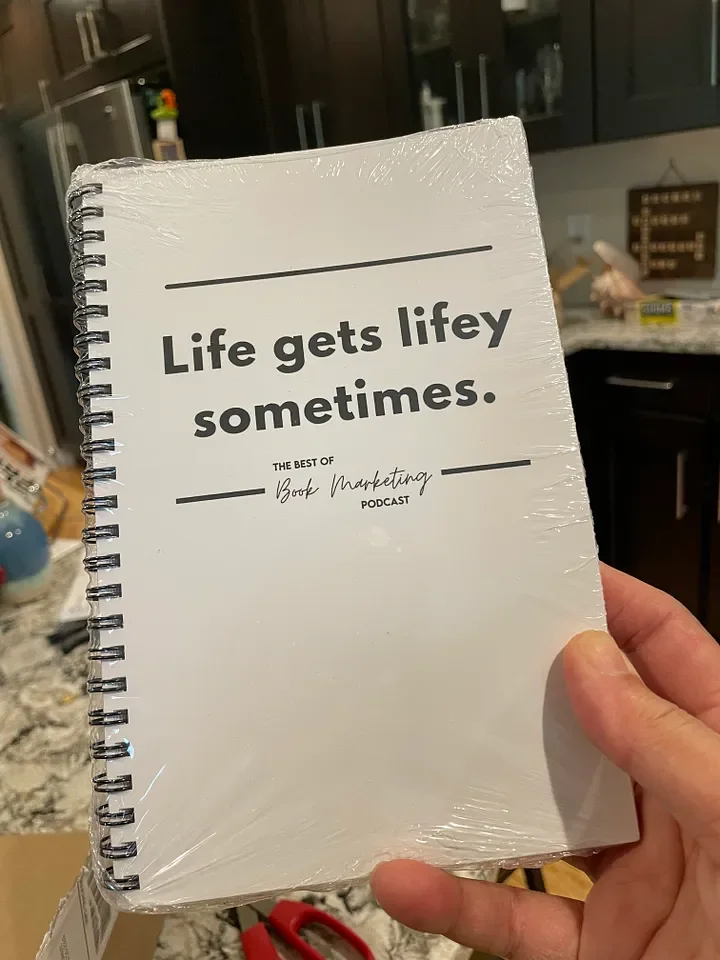
If you enjoy our show and appreciate the amazing author advice, please consider supporting us by enjoying our merch!
You know our catch phrase is Life Gets Lifey, and we all know it does! Proceeds help us keep the show free for everyone to enjoy! High-quality stuff with international shipping! 💓
Books Mentioned


Full Disclosure: We are part of the Amazon affiliate program, which means Lainey earns a tiny commission (maybe enough for a coffee) if you buy something after clicking through from a link on this website.
Transcript
Paulette Stout 00:04
Hey everyone, and welcome to another episode of the Best of Book Marketing Podcast. I am Paulette Stout, and Lainey Cameron is here as always, and we are here today to talk to you about how to get on podcasts. It's an amazing vehicle for to promoting your book for building your alpha platform. It doesn't cost anything, so you know there's a lot of content that we're going to cover today that Lainey just mentioned off air. You could get in a very expensive course. Now you don't have to pay the expensive course. You'll just join us and learn everything you need to know
Lainey Cameron 00:42
Exactly, and so yeah, we're gonna cover so much in this. Like, this is actually, I think this is gonna be one of our best episodes in terms of the volume we are giving you for the hour you're gonna spend with us. So, we're gonna talk about why podcasts. If you're still wondering, like, why would you even want to be on podcasts? Let's start there. We're gonna talk about how do you even know what to talk about when you go on a podcast. Like, what are the topics you talk about? What do you say about your book? How do you find the right podcasts? Like, how do you know where to go and who to ask? How to pitch? How to actually get accepted onto those podcasts? And then once you get accepted, which you will, because you're going to learn from us how to do this today. What do you say? How do you prepare? How do you ace this thing and do a really good job with it? And we are going to call cover all of that in a one-hour episode. So hopefully we've got so many notes it's ridiculous. I swear this is the most notes we've ever had for a podcast. So I'm super excited. But let's start as usual with that. Yes, get your pen, get your notes here. Let's start as usual with our little update. Do you want to go go first, Colette? What's going on?
Paulette Stout 01:45
Yeah, sure. So I've been like making a little bit of a pivot in like my kind of my author focus a little bit these days. I've been really trying to focus on speaking and teaching and coaching a little bit more than I had in past years, and I'm really loving that. I love working with authors. I, you know, I love preparing presentations. Lainey and I are going to be doing an amazing course for WFWA next winter, and I think it's just there's so much. Once you've been around the block a few times, like we have, there's lots to share. So I'm, you know, that's really a rewarding thing for me. Also, I am 60,000 words into my next book, book one of my next series. Hopefully, I can crawl up tomorrow and work on that quite a bit and get some stuff down and kind of filling those characters out. I'm excited for those who are just with us. It's a Sophic romance set in my hometown here in Massachusetts, so excited about that. One little tidbit I added to my list, Lainey. If you'll indulge me, author community, I have a little bit of tough love for y'all. So when you go to an event where there are other authors there, whether that's a book fair where there's lots of tables. Whether you're sharing a booth with your publisher, lots of titles. If you are with an association and you've got multiple books, please focus on the readers. When readers come into the tent, they no one will ever care about your book as much as you do. So, like, take a breath. Don't be so pushy. Talk. Find out what they're interested in reading, and then guide them to the book that's right for them. It's not always about you. Not every reader that enters a tent is going to be your reader. So just want to make sure if you can just really be a giving, good author citizen, helping readers happy, being a little bit selfless in those moments, then hopefully that will that that good juju will come back to you. You know, Lainey has just her reputation is a giving, supportive person, and so much goodness comes her way. Same for me. So, just in those moments, focus on the readers and don't be so concerned that every sale is yours.
Lainey Cameron 03:57
Right, and in fact, we're going to talk about that in this episode about podcasts, because if you get on a podcast and you think your job is to sell the book on the podcast right there and then, you are going to come across as the sleaziest, most self-centered person ever. And so we're going to talk about how that is how you want to come across when you do a podcast. It's actually a conversation, and so you don't want to go on and, like, for example, have to one side the description of your book and start reading off the description of your book, which I have seen people do on podcasts. Everybody knows that you are reading off a piece of paper, and it sounds like you're a robot. And nobody is building a relationship with a reader that way. You're just convincing them that you're not a real person that they want to be around very much, and they certainly wouldn't want to read your work in that case because they assume it's equally inauthentic, so you don't want to do that. So we're going to talk about how you actually do it, and I just want to say hi because we've got some people who are live here. Beth joined us live. Wendy joined us live. Wendy said she's been looking forward to this episode. Yay! I'm so excited. I love when we have folks here live to tell us how we're doing. So for me, oh, did you ever? Else, Paulette. Sorry, I kind of jumped.
Paulette Stout 05:01
No, that was good. I ended with a tough love.
Lainey Cameron 05:04
Tough love. There we go. So I have had the the best august. 1 off, I finished the revisions on my second novel for my agent so that she could take it out in submission, and so I got that done. And then I left for Scotland, and I went to my cousin's wedding in Scotland, and I spent some time on a rural farm in England, and basically hung out with some sheep, and just had the best time. I swear, I was like in an Airbnb surrounded by hundreds of sheep, and you could hear them all the time. It was like being in a movie, like a rom com, and the wedding was fabulous in a castle. Anyway, if you want to know more about that, go check out my Substack posts. I actually put some photos up there of what a Scottish wedding looks like and some videos, a lot of fun. So now I'm back and I'm focused on getting into my third book, which finally is actually my character starts in Boston during the World Cup and goes to Scotland. So it was great research. I don't think I can quite write off the trip to my cousin's wedding, but it was wonderful research. And next up is like Paulette said. We are developing a marketing program for Women's Fiction Writers Association, which will be coming out in winter, which I'm super excited about. And I am working on a class that I will be giving at the San Miguel Writers Conference in February. I'm giving a three-hour workshop on how to launch your book, how to plan a successful book launch. So super excited about that as well. If you've ever thought about like, if you're the kind of person who like a has considered doing a conference next year, b you kind of like hate those winter blues. Maybe you're somewhere northern where it's like you're by February you're into like snow and everything. Come to San Miguel. It's wonderful. It's safe. It's beautiful, and you will learn a ton. So just put it out there that it's a wonderful conference. We get about 1500 people come in, 1500 writers, and we get really big name keynotes and workshop presenters, and it's just really, really fabulous. So, and I happen to be here, and you get to meet me, and I'll take you out for a drink too. There, so there you go.
Paulette Stout 06:53
And I will be there too, because I am going down to the conference and to see Lainey. So yay! I will be there. I'm very excited about a few of the sessions I've signed up for. Definitely have some personal writing time too, because there's lots of different topics from you know memoir, nonfiction, all kinds of topics in English and and Spanish. So it's a it's a big big conference.
Lainey Cameron 07:15
So big conference. So let's get into podcasts. Let's start with the beginning of like, well, why would I even want to go on podcasts? And what we're talking about here is podcast guesting. So this is where you go pitch a podcast and say, "I would like to come on your podcast, and then you go on someone else's podcast. We're not talking about creating a podcast that you run yourself, which is also a viable thing to do, but it's a very different thing. And for most people, it's not what you need to do. And the reason I say that is, what you want is to access other people's audience. And if you create your own podcast, then it's on you to build the audience, right? But if you go on someone else's podcast and they already have hundreds of listeners, you're tapping into an existing audience who get to hear about you and your work. So what we're talking about today is what's known as podcast guesting, which is when you go put yourself on someone else's podcast. So, kind of let's start with why might we want to do that? Do you want to take it to start, Paulette?
Paulette Stout 08:12
Yeah, there's there's a lot of great ways because I think that well, first of all, people are really curious about authors. You know, it you know think about before you wrote your book. Authors felt like these mystical creatures, so accessing the mystical creatures is kind of cool for people, and they like hearing about the books. They like hearing about the process. They like hearing about the people behind the books. Like you are your author brand, so this is an opportunity for you to get out into the world, talk about your work in a long form format that you don't kind of get in like a short social media post, or even in your own newsletter. So it's it's a great opportunity just to tell your story, build your platform. Even now, one of the one of the best things you can do to build your kind of digital footprint about you is podcast. That is when the large language models are searching for information about you as an author, podcasts and transcripts of podcasts come up as part of that source material. And the more stuff you have out there, the easier it'll be for people to find you and find learn about your work.
Lainey Cameron 09:19
Yeah, and I'm going to give you a few stats because sometimes people say to me, "But does anyone really listen to podcasts? And that's generally people who don't. So let me just give you a few stats of how big podcasts are. So half of all Americans, 49. These stats are from a study that was done by Pew Research in 2023. So half of all Americans listen to podcasts at some level, and of those half, one in five listen to multiple times a week. So not like, and some even listen every single day to different podcasts. And the reason they listen to this, it's really interesting. 60% of those who listen to podcasts say they do it for entertainment. And what are books? Books. Are entertainment okay? So I think sometimes we think podcasts are news, and we're thinking like hard hitting news podcasts. But 60% of people listening to podcasts they're listening for entertainment value, not for news value necessarily. And here's what's really interesting: 60% of those who listen to podcasts, same statistic, interestingly, have either watched a movie or read a book or listen to music because they heard it on a podcast. Wow, six out of 10 people, if they're listening to a podcast, there's a good chance they're actually going to go get that book or watch that movie or listen to that music or that creative work. So it's a really great way to get creative work out to people who are not familiar with it, and I imagine that would go for art and other things too, but we're talking about books here. But I think creative endeavors-it's a really interesting way to help people relate to you as a human because you know, like Colette said, social media, right? Even like TikTok. Let's say you create a talking head video of you talking about your book. Well, TikTok videos are supposed to be how long? Six seconds, nine seconds, 30 seconds if you're really good at this, and that is not very long to build a relationship with someone. Versus, you go on a podcast, you might have a 30-minute conversation with someone about you, your life, your book, where your inspiration came from. That is a real relationship-building tactic, and it's a way, from my perspective, to build superfans. You can actually get people start to be incredibly excited and passionate about you and your work, and then they read it, and then they become super fans, and then that person is going to talk to everybody else, and then you have word of mouth, and that's what it's all about. So, in terms of the ability to create word of mouth, comparing social media to podcasts, it's not even in the same ball game, right? Seeing someone's book posted and you seeing their cover and a description of their book on social media versus listening to them talk about why they were inspired for 30 whole minutes, just worlds apart in terms of the ability to build relationships. And the other thing that's really important with podcasts, if you think of it in the traditional marketing world, we would call this errand media. Okay, so it's media and it's earned media, meaning you're not paying to go on that podcast. Generally, you're going on as a guest, and you're not paying. I don't want to say there's not some weird stuff out there, but in general, you should not be paying to go on a podcast. And when you go on a no, but when you go on a podcast, what you're getting is the credibility and the trust that those podcasters have already built, right? And so, like when someone comes on our podcast, as an example, when we invite someone on to talk about Amazon ads or Facebook ads or whoever who else we had a cover design, I can tell you that every guest we've had on this podcast, we've had people reach out to us afterwards and say they're now working with those people because we trusted them enough to put them on the podcast. Now, why did they make that decision? Because we lent our credibility to these guests, right? Like you trust them because we brought them on, and you trust us. And so I think that's very important.
Lainey Cameron 12:46
That when you go on a podcast, you're having a relationship with someone who is being followed, who is respected, who is trusted, and that lends your cred you their credibility as well. Now, obviously, you can mess that up, and we're going to talk about what not to do once you get on the podcast. But that's very important because not only are you getting to their audience, but you're kind of benefiting from the trusting relationship they've already built with their listeners. So this is so much better than social media, for example. Yeah, and I would say you know getting on a podcast with 100 listeners versus getting on a piece of social media that someone has 10,000 watchers on their social media. That podcast to me is more valuable because you're getting that long extended conversation.
Paulette Stout 13:26
Yes, and they they last; they stay around for a long time. So, so what do you say? What do you say when you get to the podcast? You know, so we have authors of all kinds that listen to us. You know, whether you're fiction or nonfiction, there's lots of stuff to say, right? So they remember that when you're on the podcast and you're trying to think about like what are you going to talk about, what are the type of messages that you're going to have about your book. It's not just about hi, I'm an author, here's my book. It's what are the themes of your book? What what are what are the deeper issues or what are the social issues that you tap into? What are the regional concerns? What are the life stages that you're in? What are you know? Are there events that happen in your book? Are there cultural significance in your book? There's all kinds of things that are on those pages, and they all are fodder for conversation if you're on a podcast. So, like when I launched, you know, my books always talk about different social issues. So I kind of like lean into those sometimes. If you have, you know, depression, you could be trying to pitch a thing for, you know, mental health awareness month, or you know, there's there's you know seasonal things you can tap into that have themes connected to your book. So there's lots of Different topics, you know, whether you're fiction or nonfiction, there's lots of stuff to say about your book.
Lainey Cameron 14:48
Yeah, I mean, the way I like to think about it is, podcasts bring on people, right? They don't bring on books; they bring on people. And you're going on this podcast as a person who has something interesting to say. So, what you have to work out. Is what do you have to say that is interesting to their audience? And this is the first starting point that I think people get a little wrapped around. They get so focused on I'm going on to talk about my book that that's not actually the right way to think about it. You're going on to talk about a topic, and then you're going to get the chance because you're talking about that topic to bring in your book. But very rarely is the topic your book. Right now, sometimes if you're writing nonfiction, it can be right. If you write a book about how to get into college and you propose the topic being how to get into college, it could be that the topic and the book are the same. But if you're writing fiction, okay, your topic is probably not your book. They're bringing you Paulette on as an interesting person because Paulette has interesting things to say, and by the way, Paulette wrote a book, and of course, Paulette's also going to talk about her book. But what you're going to do is you're going to really think about who is the audience of this podcast that you're going on because what they want is for you to talk about things that are interesting to their audience, and so you're really going to focus not on what is my book and what do I want to say about my book, but who is their audience. And so, what I recommend to my people when they're doing their my class, my program is to brainstorm different topics that would make you an interesting person to talk to. Okay, and those topics might be things you researched. You're actually an expert because you researched for your book. They might be your own life experience, like you've been through a career pivot, or your parenting stage, or health, or your your you've got chronic illness. I know Beth has been on, who's on with us tonight, has been on like some chronic illness, and I think Wendy too has talked about chronic illness in the past. It might be local relevance, like you said, Palette, right? That you're an expert now because you've researched, you know, ghost stories in this particular town. It could be a craft angle if you're going on a writing podcast, right? How you approach writing the book, what you've learned over the process of writing the book, anything that you think could be interesting. And one of the things I recommend to my class is to think about when you go to a dinner party and your best friend or your husband says, like, "Oh my God, you always talk about that one thing. Like, for goodness sakes, talk about something else tonight. That's the thing you are passionate about, and you should go on a podcast and talk about because you love talking about that thing, and you're probably very good at it. So that's one way to think about, like, what is the thing that when someone gets into a conversation with you over dinner or at a party that you could talk about it for hours. That's your topic,
Paulette Stout 17:25
And we talked about you know, and we'll talk about more about like how to choose the right podcast. But just for instance, you know, so I'm an author. I write fiction. I have different social issues in my thing. I have some romancy things. So like I've gone on podcasts, for instance, when I was on the Rebel Author podcast. I went on there to talk about from like an author perspective, writing controversial books or writing you know socially significant books, you know. But then you go on another writing podcast, and I'm talking about writing romance scenes, writing scenes, writing senses, like those types of things. Or there you go on another podcast, and you're talking about the themes of your book, I my I had a lot of like weight and body size in my fourth book, so I was going on health podcasts. People who are their listenership are interested in weight and health, so I was writing stories about weight portrayals in books, weight portrayals of the media, and you just try to do those, and then that you know got on a bunch of podcasts to talk about that in that genre. So there's all types of angles that you can take depending on the focus of the podcast. Because, like Lainey says, it's not about you; it's about the audience and what the audience wants.
Lainey Cameron 18:31
Yeah, and it helps to think about the people who are listening to the podcast as people with different interests. One of which is reading, right? So, like when Paulette gave the example of like weight, right? And it's such a sensitive topic. It's such an important topic, but like people wouldn't identify as I am a reader who wants to read books about how to manage or think about my weight. They would identify as all kinds of different things, and they're also a reader who reads books, right? And so it helps to kind of get out of the brainset of saying like I'm looking for a reader, and to say I'm you're looking for a person, a rounded person that listens to this podcast who will be interested in this topic. And by the way, they probably also read books.
Paulette Stout 19:08
Yes, yes.
Lainey Cameron 19:10
And that's one of the things I love to to recommend is consider lifestyle podcasts over book podcasts. What tends to happen is there's a very small number of podcasts that read and review books, and they get just overwhelmed because there's only a few of them, and they get overwhelmed with requests. And to be honest, they don't have the biggest audience out there, probably because of exactly what I was talking about: is people don't first identify themselves as a reader. Some people do, but a lot of people identify as many different things, and they happen to be readers. And so you're you're often going to have more success going for lifestyle type podcasts on topics than just targeting book podcasts alone. And I think that's a mistake people make. They think, "Oh, I must just go on podcasts that talk about books. But what you really want to do is think about what you have to say to interesting people and go find who's talking about those topics.
Paulette Stout 19:57
Yes, yes, yes. So, how do you?
Lainey Cameron 20:01
How do I do that?
Paulette Stout 20:03
Yes. So, what I people, we're we're gonna have a little moment together here. Listen to the podcast before you apply. Make sure. So, there's a few things to look for. One, look. You know, you can do searches in lots of different places. Where it's Apple Podcasts, you know, on Google or on one of your LLMs, podcasts for this, this, and this. Then go listen and see if they even accept guests. Lots of podcasts do not even accept guests. Lots of podcasts that have guests, they don't want applications. They know who they want to bring on, and there's not even any contact information on the website for the podcast, so that's a it's a really easy way. If you can't find any contact information about a podcast, they don't want you, so find another one. So those are you know those are too great. But like again, like what are the themes of your book? What are the podcasts around those types of themes? If you have if you have mental health in your book. What are some mental health podcasts? If you, you know, if it's a mature person, if are there you know mature podcasts on? You know, just like look, break down, follow what Lainey was saying about the brainstorming, and then break down the podcast categories into those groupings, and then investigate them. Listen to one or two. You may, you know, may not even like the host when you listen. You know, you may not like the vibe. They might be disrespectful, and you know, maybe they make fun of their guests, and that's you know, you don't want to get on there and be made fun of. So it's really important for you to, you know, find them, research them, but then also listen. I recommend at least two episodes before you write your pitch, because then you know what you're actually applying to.
Lainey Cameron 21:41
Yeah, exactly, totally. And there are directories that you can use to try and find podcasts. So the the biggest one that you can start with is Apple Podcast has a search function. I actually put a list of these on the episode page on bestofbookmarketing.com. So if you're kind of not catching all the names I'm about to say, they're all listed on the website on bestofbookmarketing.com. So for example, you can go to Apple Podcasts and you can search on a topic. So, let's think. Let's say mental health, right? And then what you should do is click on a particular podcast that looks interesting, scroll all the way to the bottom of the page, and Apple has other similar podcasts along the bottom of the page. Podcasts who yeah, it's kind of a listeners who like this might like this also just like you see for books on Amazon. So then follow those and click on those and see what's on the bottom of the page for those people who like those like the next thing. Because the thing is, with Apple, for example, the ones that are going to come up first are going to be the podcasts that have you know a million listeners. And if you've never been on a podcast, you're not going to succeed with getting on a million listener podcast. Okay, I don't want to say you're not going to. It's going to be a hard call to get on it.
Paulette Stout 22:43
You may not want to say never. You may not want to, and we'll get to that later. You know, don't. So, so let's
Lainey Cameron 22:48
assume maybe you're looking for midsize or smaller podcasts at the beginning. So, in Apple, what you're going to do is click on that mental health podcast. You're going to scroll to the bottom of the page and look at other podcasts like this. Then you're going to click on one of those. You're going to scroll to the bottom of the page and look at other podcasts like that, and you're basically going down the ladder from biggest to smallest as you do that. And so you start to find the ones that are more approachable, that are perhaps actually looking for guests that have contact information on their website, etc. etc. And so that's one way to do it. You can do that with Apple. You can do it with Spotify. Also has a search function. There are directories that you can use. Listen Notes is one of my favorites because it also shows you the ranking of the podcast. Is it in the top 1% top 5% top 10% of all podcasts globally? There's another one called Pod Search, Pod Chaser. Like I said, I put these on the website. There are also some matching services. These are paid services, but some of them have free trials where you can use it for like a month for no cost. Matchmaker FM is in that category, and this is interesting because matchmaking services basically podcast hosts go on there and say, "I'm looking for guests that can talk about this particular topic, and then you go search that and you say, "Oh, I could talk about that topic. So you've kind of got pre-qualified podcast hosts are actually looking, which is a really nice thing. You know, you're actually they want guests, and then Podmatch and Podcast Guest Podcast guest.com. Those are all kind of matchmaking services. So lots of ways you can find them.
Paulette Stout 24:15
So I wanted to address one thing that Beth mentioned in the notes. She says listen to an older episode, not the most recent one, and I kind of have to disagree on that one because podcasts are like this organic blob of a species, and sometimes the hosts change their formats, they change their focus, they change their styles, and if you listen to an episode that's too old, it may not really currently reflect what's actually happening on the show right now, so I would actually recommend listening to more recent episodes that have guests on them. You know, because not sometimes you know, like like our show today, there's no guests on today, so there might be some variation from the show to show. They might have different types of episodes within a specific podcast universe. So make sure that you're listening to an episode that has a guest on it, and then you can kind of get the feelings of what that would like.
Lainey Cameron 25:08
And and while we're while we're there, when you're listening to the episode to see if it's a fit, note down the questions they ask, so you don't have to repeat this work later. Because often they have like a certain segment where they put you in the hot seat, or they love to talk about what your favorite thing is to eat, or you name it. It might be like completely unrelated to the topic of the podcast, and you don't want to be caught out by by surprise when you get on that podcast and suddenly you're asked like what your favorite pajamas look like or something that you just were not ready for. And so make sure as you're listening, and if there's consistent questions that they're asking in every episode, make sure you write those down because you're going to need that when you're preparing to actually be on the podcast.
Paulette Stout 25:45
100% I was on an episode called Full Plate, and the first thing is what's on your plate. Like, what are you eating lately that you're really digging and enjoying? You know, so that's a one of those questions that you just kind of had to prepare for and be ready for.
Lainey Cameron 25:58
Exactly. I got a question. It's interesting. I hadn't thought of, but I started looking at questions that were being asked online, and one of them was: How many episodes of a show should how it? No, let me try that again. How many episodes should a show should a show have? That's a tongue twister before you pitch it. So basically, should you go after a podcast that's only ever had three episodes, or do you need a podcast to have a certain number of episodes before you should go after it? Interesting question.
Paulette Stout 26:28
It's an interesting question. I, you know, I kind of like. It's also like, where are you in your author journey and your platform, right? So if you're just starting out and are newer guests, it might be nice to be on a show that's like newer, looking for guests has a smaller viewership because you can go on, kind of find your sea legs a little bit in this whole podcast world. You may not be your best on your first podcast. I link back to my first radio interview I did, you know, back in 2021. It was garbage, and um, and it was I was so glad that probably not that many people have heard it because I didn't think I really did a very good job. So, and here I have a show now. So, so anybody can improve, but you don't want to, you know, waste that golden opportunity on a really huge platform. So, I think it depends on where you are and what your audience is. What's your platform? What are you bringing to the table? If you've done a lot of those little ones, and you might be looking for a bigger, bigger app, you know, platform than you have. So I think it's a little bit. It depends. You also want to make sure that the show is still happening, right? So if it's newer and the they've been the episodes have been a little inconsistent, or there aren't enough to tell, you know, you might wait. You might sit down, do an interview that never airs. So, right, it's it's a little bit of a risk if it's a newer podcast because it may not last. But it you can also use it as practice.
Lainey Cameron 27:51
Yeah, I've been on several new ones because they were friends who were starting off, and I was like, sure, I'll come on and help you get it going. Right, they're also trying to bring on guests that maybe have a following to help them get going so and like you say they last right like assuming the podcast keeps going that interview shows up when someone Google's you later right it's it's still there as opposed to social media which can be kind of ephemeral and disappear 24 hours later so yeah I I don't set a bar personally that a podcast has to be of a certain size before I'll consider going on it I put so much priority on that idea that it's a longer conversation, it's more relationship building. That I will do a very small podcast, and I have no issue with going on smaller podcasts. If anyone's thinking about inviting me, always happy to go on small podcasts. So, so yeah, I don't, I don't set a bar. Some people say you know a certain number of episodes, but personally, I don't. If you want to know, you can go to listen notes that I referenced earlier and see kind of what the ranking is, how many episodes they've had. What I do recommend, though, is for goodness' sakes, go check out their website if they have one, because the number of pitches I am still getting for my podcast that has been on hiatus for three years, and people are still pitching me like they think it's still happening, and I'm like, you go to the website and it says in big text, this podcast is on hiatus.
Paulette Stout 29:03
Yeah, but I and one other thing is like it's we talked about being a good author citizen at the top of the show, and I'm I'm like super grateful for the larger names that came on in our first season. You know, so we had Mark Leslie Lafave on in our season one. Like I had kind of like a side relationship with him. He's super gracious and generous. Have I been on this podcast? I can't remember if I've been on this podcast or not. I think I was, but it was like it's just like one of those we're trying to help each other out and build community and support each other, just like Lainey was saying. So, you know, he had a bigger platform than us, and you know, now we can help other people, and it's just about like paying it forward and helping each other, so yeah, 100%
Lainey Cameron 29:43
Absolutely, yeah. I have people who I have encountered people who are like, "Well, I won't go on a podcast unless it's got this many 1000 listeners, and I'm like, "Okay, maybe if you're like Jodi Picot, you could start thinking that way. But even she doesn't because I've seen her go on some very small ones. So yeah, like I don't believe that's very beneficial. To start saying, is this podcast big enough for me? Like maybe if your time is that valuable, okay, you get to choose how valuable your time is. I guess
Paulette Stout 30:09
100%
Lainey Cameron 30:11
Let's talk about this idea of: Do I need a platform? Do I already need to be famous before I can get on podcasts? And the answer here is definitively no. You do not have to be famous. Podcasts are more looking for interesting, valuable conversations, and so what they're looking for is can you bring value to their listenership? And you don't have to be famous to bring value to their leadership to their listeners, right? Like you know, I'll give the example in the nonfiction world. You might get someone who's super niche who's talking about female pleasure, okay, and that person may not have a big following at all yet. Although these people are getting big followings these days, but let's imagine a few years back that person doesn't have a big following, but they're in a very specific, very interesting topic area, and they're an expert in that area. Of course, a podcast wants that person, right? So they're bringing you on because you're interesting, not necessarily because you have a massive following and you're super famous and you're a New York Times bestseller, but you do need to show them that you will talk about things that are interesting to their readers, which is where we get into the pitch and the speaking points. And it helps if you start with smaller shows, so you build that track record. Because if it is a bigger show, they don't want to put someone on the show that then kind of falters and doesn't know what they're doing and stumbles and like like starts reading off a paper, right? They can't afford to take that risk if they're a bigger podcast. So you want to make sure that you're coming across as you know what you're doing and you're going to talk about something that's interesting. But don't think that you have to have a massive following. Often that's not really what's most important to podcasters,
Paulette Stout 31:41
right, 100% agreed. I think you covered it well there. Nothing bad.
Lainey Cameron 31:48
Let's like. So, shall we get into pitches? And how do you reach out? Let's get into
Paulette Stout 31:51
pitches. Let's get into pitches. I love the pitch. I have a pitch little template that I use for myself. It's basically I have listened to a few episodes. I begin in my first paragraph and I reference something that they've talked about on the show, something they like, something on their guest shows, whatever. I relate myself to how I kind of fit into that area that they're interested in already. I give a little bit about my background and and what's in it, and then I give them all the questions for the entire episode. I give 10 questions of what we were going to cover on this episode, top to bottom, and the number of times podcasters have used that is like every time. So except for except for one, but we are busy, right? We're busy when we have shows, especially shows that like come out every week or every day. You know, anything you can do to make the life of your podcast host easier is is amazing. So that you know why, and then I always put a line in the bottom that's like, "Hope this works out for us. Whether the topic is evergreen or timely, kind of indicate if there's any time sensitivity, if there's flexibility in evergreen topic. They love having those. They kind of keep those in the back. And then I always like to say, I love your show. If it doesn't work out, I'm fine. I'll keep listening and enjoying your show. You know, so just show that all good. It's okay to say no, but I'm still a fan of yours, you know. And I've had some really good responses to that kind of approach. That's really like putting the host and their show at the center.
Lainey Cameron 33:31
I never thought of giving them all the questions. I love that. I think I might try it in the future. I have been on a number of podcasts, and normally I give them like three to five talking points. I, you know, I I have a very similar pitch to yours. It's kind of like a personal opener. I've listened to these episodes of your show. Here's what I specifically like about it. Be specific, right? Don't just say I listened to the episode about such and such. Thanks. You got to be like real specific. Compliment something specific about their show, which shows that you listened to some episodes as well. And then the three to five. I'd love to come talk about these things and give them three to five talking points. Is the way I do it. A short bio on why you're credible to talk about these things. Maybe if you can reference where you've been before, so they have some confidence that again you won't freeze up on not know what to say. Freeze up on screen. Frees up your voice. I. It can help to note at the end that you're happy to promote it on your socials and your audience to your audience and your newsletter. It's not essential, but it's a nice little finishing touch. And I agree with you on the sign off that kind of make it low pressure. Invite them to say yes, but you know, like let me know if this would be of interest to you. Like keep it real simple. Don't don't like yeah exactly
Paulette Stout 34:40
Yeah, the only other thing I add that I forgot that you mentioned, Lainey. So thank you for reminding me. Is I include links to other podcasts that I've been on in case they want to check and see how I sound that I that I can kind of speak extemporaneously, have a conversation. So I usually, you know, I I I put the biggest most. Relevant clips in for them that I that I think would work for that particular host.
Lainey Cameron 35:06
So yeah, I think that the most important parts are that personal opener. This is not a generic. Okay, I'll give you the example of what you don't do. Hi, I'm Lainey Cameron. I have this awesome book. It's won a ton of awards. Would you like me to come on your podcast and talk about my book? That is tomorrow pitch. Tomorrow, like that is not a pitch because it's about you, right? It's not about them. This needs to be about them. So it's the opposite. Hi, I'm Lainey Cameron. This is what I love about your podcast. You talk about these specific things in this way. I love that. Here's what I could come talk about. Here are the speaking points, or here are the questions we could discuss together. Here's a little bit more about me, the bio. Here's where I've been before. Some links and thanks. Would you like to invite me on? Like super simple, and the whole thing should only be a few paragraphs, like less than a page long. I read a thing that said less than 30 seconds to skim the whole thing.
Paulette Stout 35:57
Yeah, and I always like to use a lot of spaces when I write emails of this kind, so it makes it easier for them to skim. So, like, I even space after every sentence or two. You know, like have a paragraph return. So when you're looking at the page, it's not like a wall of text. It's I use bullets for the questions. There's a there's a structure to the email so that it's easy for them to consume and you know put aside.
Lainey Cameron 36:23
So, what about if someone has zero experience, like they've never been on a podcast before? They're probably sitting listening to this, or standing, or walking, listening to this, going, "I have nothing to put in that like podcast I've been on before. What do you do then if you've never been on a podcast before?
Paulette Stout 36:40
I would say that I'm an I'm a new and enthusiastic voice in X. You know that has a great things to say about these points. I think your listeners would really engage with me. You know, happy to send you a sample on camera if you'd like a recording to see me ahead, you know. Just make it easy for them, but I feel like you can make the newness an advantage. Make it like a novelty, and like they're getting like an exclusive new whatever. Because people also want to be have guests that aren't on every other, you know. You know, people do the rounds, right? If you know, you listen to podcasts, you hear people in multiple shows, so newness and freshness is important when you're a podcast host. So I would kind of angle in the newness and not worry about saying that you've never been on before. Like, don't even mention that. Yeah, get on, go on. Never enough. That's none of their biz beeswax.
Lainey Cameron 37:39
Well, there's two other things I think you can do. You can point out where you do have public speaking experience, so you can just say, you know, I feel very comfortable on camera as a school teacher who has been in front of you know hundreds of unruly kids, or you know, I've done you know Toastmasters, or you can reference anything that will give them a little bit of confidence that you've got some experience speaking, right? Which hopefully you do have some experience speaking, or this might be a little tricky. So, like anything at all that's like relevant, teaching a class, being on a video. But the other thing you can do is like go create something. Like get a buddy, go on your Substack newsletter and create a Substack live for 10 minutes of you talking to a friend, and use that as your reference point. They just want to see you're a human and you can talk articulately.
Paulette Stout 38:20
Yeah, 100% exactly. So, how long the pitch? I think we covered that one.
Lainey Cameron 38:28
I have a question here that actually is exactly what you were just saying. Is it okay to pitch the same topic to multiple podcasts? Because you see this, people go and do the round like exactly like you were just saying, right? And they're talking to like 20 podcasts over a few weeks, and generally, that's when a publicist is setting them up. But you do not need a publicist to pitch podcasts. But what do you do in that case? Like, like, can you actually go to multiples over a period of time? Is it the same topic?
Paulette Stout 38:52
Like, would, I say the same thing applies if you're pitching the same topic. Listen to the episodes. Even if you're pitching the same topic, you could handle it in a nuanced way differently on each show. So if you've heard, you know, someone of you know some big you know someone in the author community is doing the rounds or whatever, you'll notice they are a little bit different. There's a nuanced conversation, even if it's the same person, and they're talking about the same book. There's a different angle on it, so I would offer a different angle on the topic to each podcaster. And you don't, you never know when you're going to hear back. So my longest positive reply: I pitched the Rebel Author podcast when it was still on. I think I pitched them in like September, November timeframe. Sasha Black got back to me in June, and she's like, "Oh my God, your email's been in my thing. And then I ended up going on her podcast the following August, so it was almost a year later. So. So you don't know when people are going to get back to you. So that's another reason why, like, don't hold back and apply to multiple people because you don't. The episodes may not even air anywhere near each other,
Lainey Cameron 40:10
Right? But no generic like I want to come talk to you about this topic, and everybody gets the same thing because I get this like we get this for best of book marketing. We have a submission forum on the website. We do read the stuff that comes in, but the number of times, and I got to say, it's mostly publicists who do it, which really makes me think it's not worth investing in a publicist most of the time for podcasts because we get a really standard standard like this author has just written this book and they would like to talk about the following five things in this book, and they're nothing to do with book marketing. And I'm like, why are you wasting your time and mine reading your damn email? So I do think it's interesting that I don't know why publicists seem to be podcast seems to be tough. I don't know why there's a set of publicists out there, and they're just sending these generic like this person has a new book. Here's what it's about pitches, which is just not even relevant to most podcasts. Like
Paulette Stout 41:00
if you're not if you're not trying to get on NPR, we can do hard things or like some huge show. I find podcast hosts really are more receptive to the individual inquiry. So you know I've used PR forms and I've you know I've gotten better placements off the things I've done myself. It's I am the person, I'm the author. That's who they're getting, you know. There's there's an authenticity and an intimacy to podcasting. You know, we are here with you. You are wherever you are in the world listening, and it feels like we're having a conversation with you directly. And that intimacy is something that's nice if it kind of flows into the pitch. My intimate person, I am pitching you one on one as an individual to come on your show, versus there's this like corporate entity that's on my behalf, and like you don't really know like what you're getting. So, yeah, that's my vibe. I think I think the intimate approach is successful.
Lainey Cameron 41:56
I've never thought about that before, but actually, yeah, like there are some venues that if you're trying to get media coverage, it is a little tricky without a publicist, right? Like trying to get into the New York Times book review without a publicist, you're gonna have a really hard time with that one. Yes, but part of it is like publications like the New York Times are reporting the news, right? And so it's different trying to have a person on versus report a news story, right? And so I do think it is different, and it's easier to get on podcasts as an individual author reaching out than some other places. So I think that's a really good point.
Paulette Stout 42:27
Yeah,
Lainey Cameron 42:28
Never thought about it. Okay, this is where we would normally have our sponsor segment. So I'm just going to pick up and show you that I finally have because I got to see Paulette over the summer. I finally have some of our merch, which is really fun. This is the Life Gets Lifey mug. I'm also wearing the T-shirt. I don't know if this will show if I try and stand up. I'm wearing the Life Gets Lifey t-shirt. So finally, I need some of our merch. So we have a merch store with Life Gets Lifey stuff, and it's got the best of book marketing on the bottom that helps support the podcast. We use that money to help pay for editing and podcast platform and that kind of things that we have to pay for the website. Yep, there's a notepad. I love the notepad.
Lainey Cameron 43:07
If you want to support us, the link is always on the website. It's on the episode pages. It's wherever you're consuming this. Let's keep going and talk about prepping. Let's assume you wrote an awesome pitch that was personalized, that had the questions or the speaking points that had your bio, and you got a hell yes back from the podcaster, and now you're going to be going on the podcast. So what do we do to prep?
Paulette Stout 43:31
So much. Find out if you're going to be on camera. This is a very important distinction because sometimes, you know, you don't know you're going to be on camera, and then you're going to be on camera. You know, it's just clarify the setup that the off, you know, that the host is going to be using, and then you can kind of prepare. You know, make sure that you are in a place that doesn't have a lot of ambient, that that's quiet. You know, because they will hear everything. We had if you if you were listening to our episode with our book covers, you could see that someone was in a busy office that day, and it was a little bit loud. So that's not ideal, because you know you want to be able to hear. Podcast is all about audio. If you're not on camera, you know make check your space for you know your equipment. I have like right now what I'm using is I'm using an external camera. I have an external microphone. I have earbuds in so that there's not like a you know an echo in the in the room, and I have a light. I have a very nice light with a filter on it, I've upgraded for my ring light. So you want to be seen, you want to be heard, and you want to have some good good sound qualities that you can hear with the host as well.
Lainey Cameron 44:54
And if the if the host sends you tech requirements, don't ignore them. I have. Had hosts who don't want you using earbuds, especially the microphone on your earbuds, and they're not just being picky. Sometimes they're using a platform that doesn't work well with earbuds. Like Riverside used to have a lot of issues, and people who were recording on Riverside, if you were using earbuds, they would get horrible audio quality. So just listen if they say, like, if they give you specific requirements that you should use, you know, wired headphones, for example, or something like that. Don't assume they're being silly. Or if they say like, please don't use Safari. Like we used to have very big tech issues with certain platforms when we were on. I think Streamyard is okay now, but like certain platforms didn't work well with Safari, and so I would say, please don't use Safari browser. And every so often, someone would join 10 minutes before the podcast, and they couldn't get in, and everything was going wrong because they were on safari. So do listen if they give you tech requirements of some type; they mean it. There's a reason they're not just being picky. And what about the actual questions? How do we prepare for the actual conversation?
Paulette Stout 45:56
One other one other thing: tech require. Make sure you have a good internet connection, and make sure that your internet connection is going to be undisturbed for the duration of the recording. So for me, I'm on the second floor of my house. When someone uses the microwave in my kitchen, it is on the same frequency as my Wi-Fi, and the Wi-Fi cuts out. So I wouldn't like right now. I wouldn't tell my if you want to heat up your dinner, do it now because we're going live at seven. So make sure that if you have like little quirks about your internet, that you do that. I also turn off the Wi-Fi on any other device that's near me. I turn off the Wi-Fi on my phone on any other. I have two laptops, so I turn that off. So like you're really trying to minimize the interference, maximize the bandwidth, so you have a good result when you're recording. So I just wanted to get that little thing in about.
Lainey Cameron 46:49
Yeah, did anyone notice I'm not in my office right now? I'm actually in the dining room because the Wi-Fi is flaky right now for some reason up in my office, and I can't afford for it to go down. So yeah, like prioritize that. That matters the most.
Paulette Stout 47:01
Yep.
Lainey Cameron 47:02
And actually, next month we have Christine joining us to talk about on-camera tips. So we're actually going from kind of the how do I get on the podcast to how do I present myself the best. That's what next podcast is all about next month. Yeah. Okay. So that's great. Great. Anything else on the tech side of things.
Paulette Stout 47:21
I think that covers most of it. Lighting, audio, camera. Make sure it's all good. Internet,
Lainey Cameron 47:27
Exactly. And I use, for what it's worth, I have a very small podcast mic. This is mine. It's sure it was less than 100 bucks or around 100 bucks, and it travels in my backpack because I travel a lot. So I mean, you can get pretty good audio without investing in like you know massive massive audio equipment
Paulette Stout 47:43
Under 50 bucks on Amazon. There's all kinds of really good equipment, so for sure.
Lainey Cameron 47:48
Okay, so let let's talk about practicing for the or practicing for the questions, being ready to ask, answer the right things. We talked a lot about listening to prior episodes, writing down the questions that they ask. Please, please, please do a practice run. Practice answering the questions that you think you're going to be asked. You may not know 100% of them, but you do not want to answer something for the very first time live on air. You want to have tried answering questions like, "What is your book about? The number of times I've seen seen people freeze when they're asked, "What is your book about? You got to be asked that question. Be ready with like, what is your book about? Why did you write the book? What is it like? What do readers say about it? What do you like to read? What are your favorite books? What writers do you admire? Those are standard questions that come up all the time. That just be ready to answer them. Don't be like, oh, the first time you get asked one of those, and obviously be ready to talk about your book. One of the things I also want you to practice is using your book as an example. So you're going to go on to talk about, for example, mental health. Let's say you're going on a mental health podcast, and you're not going to say, "Let me tell you the plot of my book, right? Because you're talking about mental health topics, right? Maybe you're talking about depression, for example. Well, what you are going to do, you're going to practice in advance four or five examples of how your book can be an example when you're talking. So, for example, you could say, I just said example five times in like three sentences. You could say, you know, I myself have struggled with depression. It's one of the reasons writing actually became so important to me, and I decided to write this particular novel. And it's one of the reasons that one of the characters in my novel suffers with depression. And here is how that character decided to get over it, and what happened. So you're kind of using the the book as the example of the thing you're talking about, as opposed to just directly talking about the book, if that makes any sense.
Paulette Stout 49:45
Love it, love it. That's a perfect yes. And the other thing that, in case you missed it, we're going to say it again. When we say practice, we mean speak out loud, talk out loud in the shower, talk out loud. When I was going on podcasts where I had new questions that were unfamiliar to me, I walked around my neighborhood on my walks and I spoke out loud. And you know, just one of those things: speaking out loud is different than thinking it in your head. You have to move your lips. You have to, you know, your tongue's in the way. You have saliva going on. You might choke on. You know, you really need to practice speaking aloud. So that's going to be your friend, and if you answer the question differently every time, that's okay. You'll probably get to some kind of cadence where you feel comfortable with kind of like the formation of the answer, and then if you kind of like you know mix it up a little bit, it's totally fine. But get the answers down to those kind of standard questions speak, and then if you get the questions in advance from the host, practice answering them. I got a cold sweat when I got a different list of questions than I was expecting from my you know my girl crush, Miss Lasha Black, and I was like walking around the neighborhood answering the questions because I these were different questions for me than I typically talk about on podcasts, and they were new, and I had to practice them.
Lainey Cameron 51:04
Yeah, and Zoom can be a good way to practice too. You can just set up a Zoom for yourself, right? You can use free Zoom to do this, and just answer the questions on Zoom. Even if you're not going to be on camera, it's just different. Like you say, saying it out loud, saying it to a computer, just saying it to a person than it is just doing it in your head. It's very different, and so yeah, you can do a zoom. You don't even have to watch it back. Just do a zoom to get you to answer as if someone was asking you on the other side of the camera. It's just practice. You can do it with a friend too, if you want, or a family member. But it doesn't have to be. I find solo zooms actually work pretty well for that.
Paulette Stout 51:37
No, that's a great tip, and I think when you're practicing your answers. Remember that you're a part of a conversation, so your answer should be, you know, direct, concise, and thorough, but like not endless, right? Because we want to stop, we want to breathe, we want to give the host an opportunity to ask a follow-up question, to participate in their own show. It's so often you hear a podcast, you hear someone, you can tell when someone's not used to being a guest because their answers are too long, you know, and they go on and on and on. And the host is like they've answered so many things, the host has too many questions to answer as a follow up, and the conversation really doesn't flow very well. So be mindful of your answers being, you know, like thorough but you know concise.
Lainey Cameron 52:20
And tone, right? Again, we keep saying like listen to some episodes of the podcast, but it's so true because like tone, right? So I went on a podcast called Drinking with Authors. It's very lighthearted. It's really fun. People are drinking alcoholic drinks during the podcast, right? If I had come onto that and I hadn't realized that, and I'd be tried to be super serious and talk about the serious important things in my book, they would have been staring at me over the computer screen, going like, "What is she on? Like, like, does she not know where she is? Right, and so you really want to make sure you understand the tone of the podcast as well, so you're understanding. Is this going to be lighthearted? Is this a podcast where the host loves to hear their own voice, and 60% or 80% of the podcast is going to be them talking? Like, there are those hosts, and just know it going in, so you're not like surprised, right? And you're like, "Whoa, how do I get a word in edgeways here?
Paulette Stout 53:10
Yeah, so I think, and one of those things, you know, we're talking about, you know, selling not sounding like a book commercial. That's kind of like going with the floor of the conversation and following it. If you can't get like your points in. Just let them go, and you can get some other ideas expressed like later in the conversation. But don't be so concerned about following some kind of prescript that you have in your head that you sacrifice the quality of the conversation because that's what's going to make the host maybe have you back in the future if you have a good show and you they get good feedback from the listenership.
Lainey Cameron 53:42
Excellent. So, what readers will relate to also, right? They want to hear a real, real interesting conversation. Remember, this is entertainment most of the time, right? So,
Paulette Stout 53:50
Yeah, 60% listen for entertainment.
Lainey Cameron 53:53
So, what about during the interview itself? Any tips? I think you had some great ones here for during the interview itself.
Paulette Stout 54:01
Yes, I have sleep. Make sure you sleep well the night before. This might sound weird, but it you know you're gonna have to think on your feet. You want to be thinking clearly. You want to be making the most of all the prep effort you've put in. And if you're tired and distracted or not thinking clearly, that's not that's not a good thing. So make sure you sleep. Make sure you're hydrated. You have some water nearby in case you kind of get a little choke or cough or something. But don't be so hydrated that you can't even make it to the show that runs the bathroom. Like that's that that can be a thing. So just like watch that watch that hydration. If you be you, you know, be you on camera. Um, I wear makeup a lot when I'm out. I when I'm on camera, I wear makeup. When I'm first on my social, you get me. However, I am. But on the show, on the podcast, you'll notice that I wear makeup. You know, but you know, we all have different. Lots of women don't wear makeup, so don't feel like you need to be someone you're not to kind of. Mold into the podcast. You want to be comfortable in your own skin. People want to know meet the authentic you, and so just present yourself as you are. Don't feel like you have to kind of do your hair, your makeup, up with jewelry, or you know whatever that's like doesn't really reflect who you are as a person.
Lainey Cameron 55:16
And that's actually a lot of what we'll be talking about in next month's podcast: is that presentation layer of how to come across and like colors and presentation and your background and all of that? So it's going to get real specific next month on that on
Paulette Stout 55:30
Yep, yep. And I think you know, just remember that the host is the host. Like they are being gracious and sharing their space, sharing their their audience with you, you are the guest. Follow their lead. You know, don't feel like you have something to say. You got a book to sell, and you're just gonna kind of steamroll the conversation. And no matter what the host asks you, you're gonna twist it back to be about your book. So that's not a good listening experience. And you know what? The episode may never go live if you do that. So I had an experience where I showed up for a podcast taping. I actually had a pre on camera interview with the host to make sure that I was like good and whatever. And when I showed up to the interview, it was the most awkward interview I'd ever done. This person knew nothing about me. The questions were really irrelevant to me. I'm a pretty interesting person. I can talk pretty exhaustively, but he was asking me these bizarre questions, and I I didn't even know what to say to them. That episode never aired, so and I was really grateful because that host was really unprepared. The conversation was like awkward and stilted. Took us forever to schedule over like three months, and I was like, "This is what we got out of all of that rescheduling. It was a little bit ridiculous. So, if you are a lousy guest or the host doesn't feel like they look well, the episode may never air. So, just you know, be prepared for that. It's an you know, outside most people do air their episodes, but you know, you might get a host some time that doesn't feel that the conversation went well, and they may they might just skip air in the episode.
Lainey Cameron 57:06
And talking of that, like, what if it really does go wrong? Like, what if you know you saw me got tongue twisted earlier tonight? Like, what if you start tripping over your words and you're super tongue twisted, and now you freeze up and you can't say anything? What do we do now?
Paulette Stout 57:19
Podcasting is about authenticity. Say, oh my God, let me start that over. So you know, just, just, just admit it. Say, oh my goodness, I really just messed up that answer. Let me start again. You know, and I know that's you know, if you're an introverted or if you're not used to speaking in public, you may not be as comfortable being that forthcoming. But really, that's that's the best way to do it. I think also going in, one of the other things to note, like as well as if you're going to be on camera and what platforms are, will you be editing this? I think because the hosts, you know, a lot of times when you get in the show, don't worry if you mess up an answer, I'll just cut it out later. You know, so there's that opportunity too. So having some of those ground rules established before you start talking will help you understand, you know, how to handle those situations if they happen.
Lainey Cameron 58:07
Yeah, and don't be afraid to just stop and breathe. Like most podcasts actually cut out those big, long, extended like gaps, and so including ours. So, so like, don't be afraid to stop and breathe and get your head back in the right place. You know, it's much better than just rambling for the next two minutes because you're panicking, right? So, like, or freezing forever. So, just like stop, deep breath. Gosh, can I try that again? Let's go again. Like, it's not a big deal. It makes you human. It makes you relatable. And then I think the last question during the podcast that we had is like, kind of, how do you maximize it? If I'm not trying to actually sell my book live on the air. I'm trying to talk about the topics and the book, but I'm not going like I go buy my book now. How do I engage with people? How do I get them to come back to me afterwards? How do I build that relationship beyond the podcast? And some of the ideas here is really encourage them to come to your newsletter. You could even offer something on the podcast. You know, I have a special travel guide. I have a special this guide. Whatever you can get it on my website here. The more you can capture their emails and get them onto your email list for later, the better. And so, if you had one call to action, to me, it would be trying to get them on your email list for later. And it's a much nicer ask, right? You're at you're offering something hopefully for free. Hey, if you go to my website, I have this great download where you can get whatever, as opposed to please go pay money to buy my book right now. They know if they got interested hearing about your book that they can go buy it. Right, you don't need to say please go pay money to buy my book.
Paulette Stout 59:31
Yes, exactly. Yeah, I would just say you know support on social, have your little call to action, how they connect with you, social website, newsletter, all that kind of thing. Special offers are fantastic, especially sometimes on your website. Set up a little landing page with a special you you know URL that's for that podcast, with you know the host feels like their audience has some like a special thing going on, and just you know promote it, promote it on social.
Lainey Cameron 59:59
Yep, especially. Giveaway like I'm doing a Substack live next week, next Monday. Plug, plug, plug. Next Monday coming up, the 28th, I think. Although I'm probably getting the date wrong, I'm going to be on the Cubicle Creative, which specializes. It's kind of fun. It's Amy Anderson. She specializes in people with stories set in the workplace. So I'm going to be talking about the exit strategy, which is my book set in Silicon Valley, and I'm giving away a beautiful hardcover gold-edged book of an author I love-not my book, but a different author-and I'm using that as a way to encourage people to come to the come to the live event, and you might win it. There probably won't be that many people, and so you can do a giveaway. That's another way.
Paulette Stout 1:00:39
Yep, cool. So we we are we didn't cover it all, but we're at the hour.
Lainey Cameron 1:00:45
So yeah. So I think I think the last question is: Is there anything I should do after the podcast? So let's assume at this point we pitched, we got on the past podcast, and we aced it. Is there anything we would give as tips after you've been on the podcast,
Paulette Stout 1:01:02
I would send a thank you note to the host. I would, you know, let the ask when the podcast is going live, so you can share it on social. They sometimes will give you social graphics to share. Um, not always, but sometimes, you know, share it on social, share it on your newsletter. You know, put I put all the episodes on my website. I have like a media, I have like a podcast and interview section. I put them all on my website, and just really, you know, sometimes if you have one of those link trees, you're on your social, you can add it there. Just really share it wherever you can, and do it more than once. Like, don't just share it when it comes out, you know, share it a week later or a month later. You know, these are evergreen topics, and you know, people, you know, social posts go by and people miss them. So make the most of it, and and all the platforms that you have access to.
Lainey Cameron 1:01:54
Yeah, and you can share. Like, if one example is, you can look at what we do on our social media account for this podcast, but you can share a quote. You can share a short video. You can share a question that was asked. You can share an image with a quote on top. I mean, there's lots of different things you can do to reuse that content again and again and again. You can do a little clip of it. There's a platform what I use to create clips for the podcast called Opus Clip, which will actually you can just point them to a URL and it will gen auto generate short clips for you. It's got a cost, but it's kind of a neat way to create multiple videos out of something without you having to being be in the business of editing videos, which none of us have time for that. So, lots of resources, like lots of things you can do. Don't again, don't feel you can only share it once. Share it in lots of different ways over time. Put it on your website and encourage people to come follow you, get on your newsletter as well. I think the last last question, because we're at our time here, is any common mistakes we would encourage people to avoid, or any last tips that we would give.
Paulette Stout 1:02:55
I think common mistakes people think that if they make themselves a script, that they'll feel more prepared and more comfortable. That's the wrong way to approach this. It's a conversation we've had guests on where you can tell they're reading, and you just you just can tell, and that's not what we are expecting when we invite a guest on, and that's not what other podcast hosts are expecting. So be prepared, but don't be scripted. So I feel like that's a big thing. And if you're nervous and you feel like you're not going to prepare, walk around your neighborhood and talk out loud. Walk around your living room and talk out loud. Practice the questions out loud ahead of time, and you will be totally fine. We promise.
Lainey Cameron 1:03:37
I like that. I like to do bullet points for myself when I'm practicing on, like, here's the question. Here's the things I could say against that question, but they're bullet points. They're not a script, and I don't generally actually have them in front of me. By the time I get to the podcast, I've done the bullet points, I've practiced, and now I don't need it anymore. It's pretty obvious if someone is like staring at a piece of paper during the podcast, right? Even if it's not a script, if they're just looking at what they said, they would say it's pretty obvious. And you see me even on this. You'll see my eyes go up because I have two screens, and we've got the questions there. And yeah, I don't remember every question we said we would ask, so we have to have a list and look at it every so often.
Paulette Stout 1:04:13
Yeah No. And I used to when I was newer to doing podcasts, and I had some of my books have a lot of like data and stats. I would have a little stat sheet, so if I didn't remember what the stat was, I could look down. You know, if it's best percent of women who never finish in bed or whatever. You know, that was like I had a little bit of a stat sheet on for each of the books, and you know, for the different things. So that's okay to reference really briefly, but that should not be some kind of monolog script that you're going to just be reading off the page while your host is trying to have a conversation. I think that's the biggest, the biggest mistake I see people make.
Lainey Cameron 1:04:48
Yeah, totally agree. And we've talked enough about watching and listening to episodes that you've got the concept there. I just think the last thing I'll say is like this is totally doable for your average author. You know, there are some. Things that are hard and that can seem out of reach, you know, getting in the best of the spring list, right, is hard to go get without a publicist. Getting in the New York Times book review is hard to get without a publicist. Not possible, but hard. But this is not. This is actually, if you put the work in, it's more that it takes some energy and some thought, but it doesn't take money. And this is great to have something that you can build relationships with readers that doesn't cost a bunch of money. It costs time and energy, and that's good because most authors have more of that than they do money to put against
Paulette Stout 1:05:29
it. It could be a reader magnet. So Beth was the same question. Pull out that stat sheet. Could be something uses a reader magnet. It could if you have a book where you're, you know, there's a lot of really good information that you're sharing. It could absolutely be a reader magnet. I had a whole stat on chips on, you know, women in the bedroom and all those things for my first book, Love Only Better. So yes, so absolutely, it could be. It could be a reader magnet. Yeah
Lainey Cameron 1:05:56
I just want to say thanks to everybody who joined us today. We really appreciate it, and I hope this has been super valuable for you.
Paulette Stout 1:06:04
We hope you will go out, look for podcasts, do the work, and just stay with it because you know it can take hosts a little bit to get back to you. Some posts, you know, they take months in advance, so it's a it's a long game. It's a long game, so be patient with yourself, do the work, and we know that you will end up with, you know, some podcast placements in your future.
Lainey Cameron 1:06:25
Awesome! Thanks, everybody.
Paulette Stout 1:06:27
Bye, everybody. See you next time.